How the gardener became one of Zimbabwe’s most important storytellers.
Words by Noah Pomo (Writer)
Questions by Noah Pomo & Alex Gwaze (Curator)
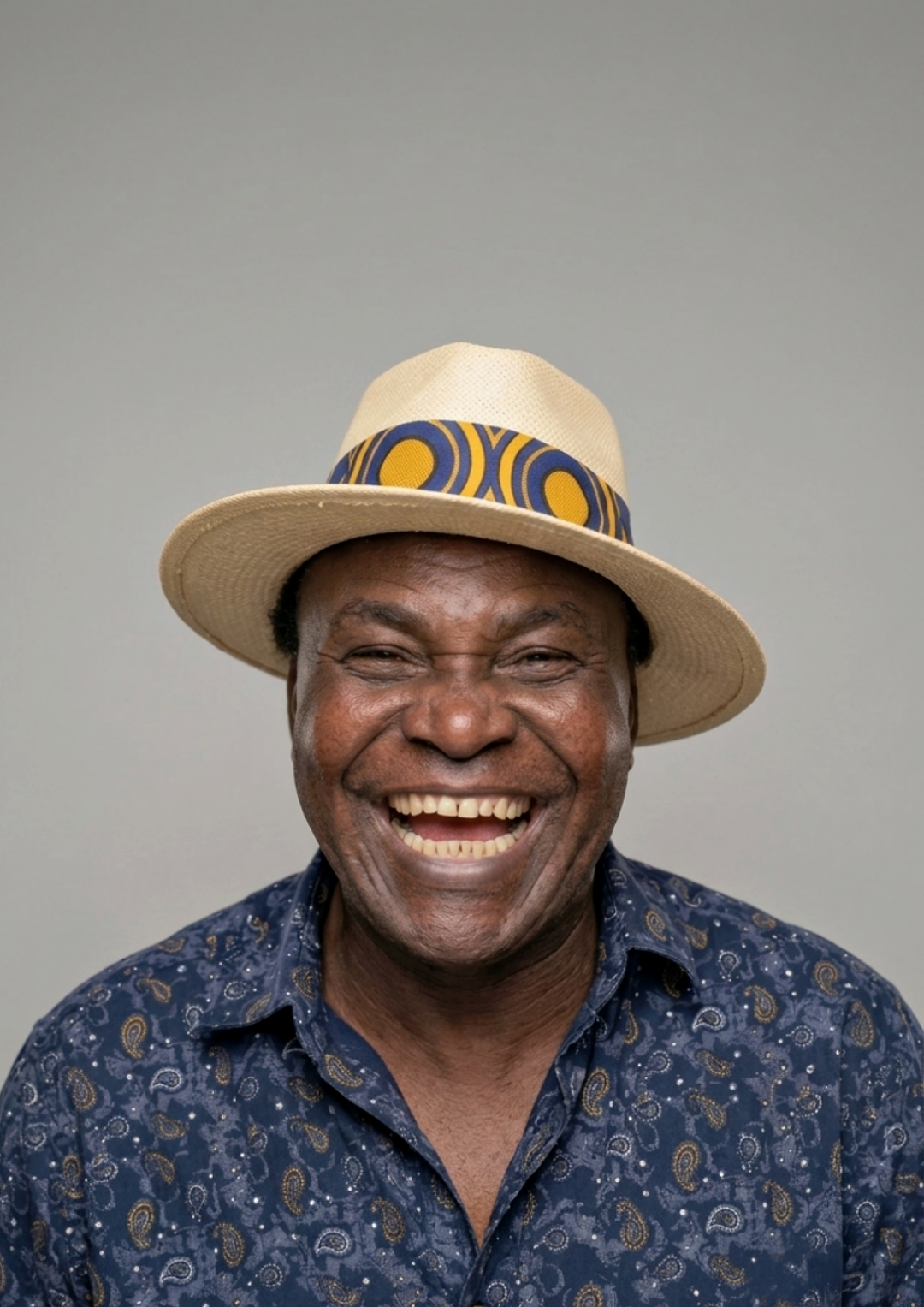
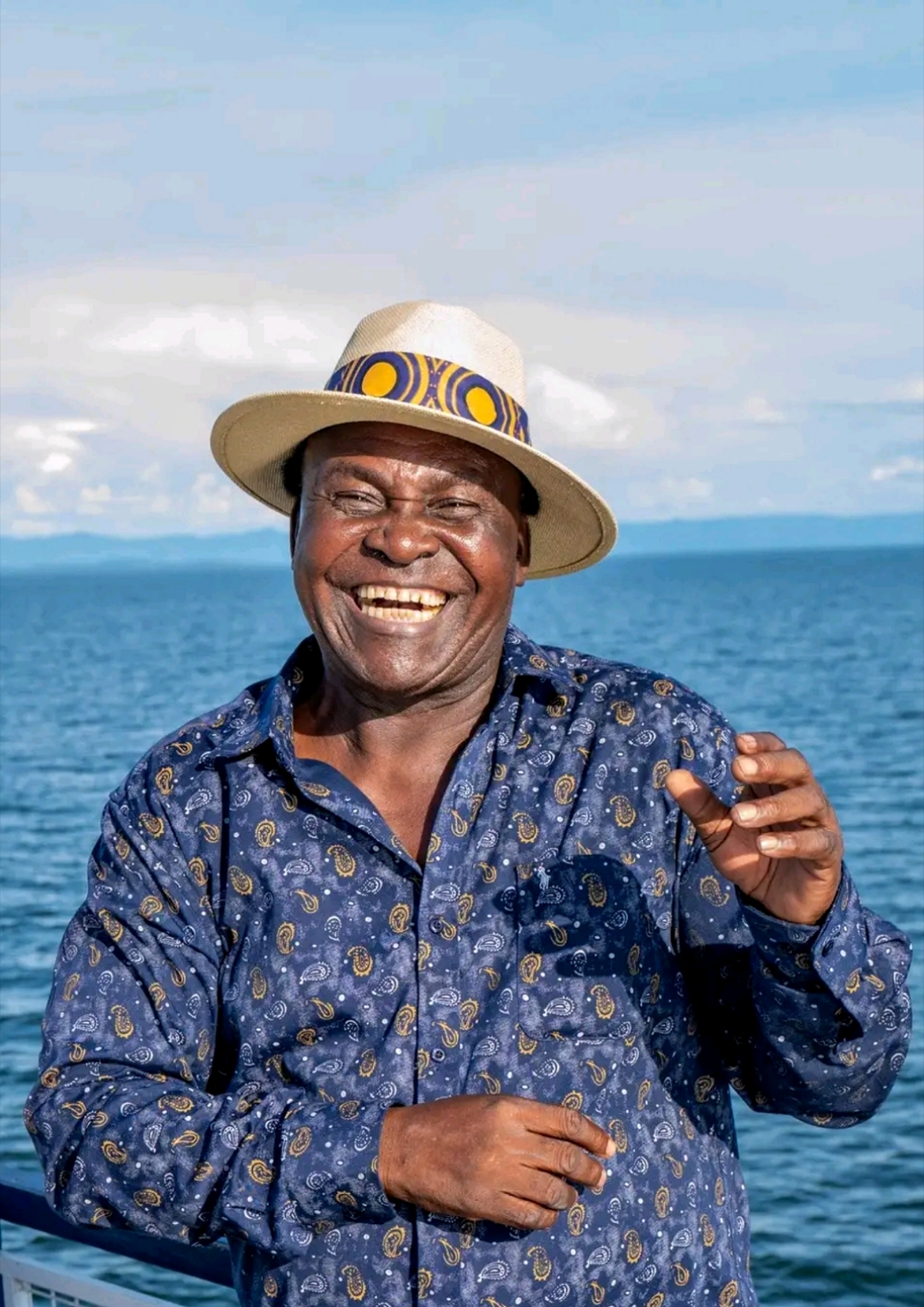
A Toyota Fortuner and US$50,000 — that’s what the late businessman Wicknell Chivhayo gave National Arts Merit Awards (NAMA) Legend Aaron Chiundura Moyo. It turned a routine Creative Voices for Policy Engagement workshop planned for later on that day with other fellow NAMA Legends Steve Chigorimbo and Jessesi Mungoshi, into a national headline before the first panel had even convened. Moyo, a PEN International honouree and a Kingstones Literary Award winner, accepted the gift with the quiet composure that has defined a career spanning more than five decades. The headlines, however, told only part of the story.
Long before conversations around preserving indigenous languages, decolonising knowledge and celebrating African storytelling entered mainstream discourse, Moyo was already doing the work. Starting out as a gardener, he became a novelist, playwright, screenwriter, broadcaster, director, actor, mentor, language activist. In each role, he wasn’t theorising about cultural identity — he was writing it, performing it, broadcasting it, predominantly in Shona. He wouldn’t have it any other way. There is a certain paradox in that conviction, given that Moyo holds a Bachelor’s Degree in English and Communications from the Zimbabwe Open University (ZOU), yet his life’s work has been devoted to proving that Shona is every bit as capable of carrying philosophy, humour, romance, suspense, grief and social criticism as any language in the world.
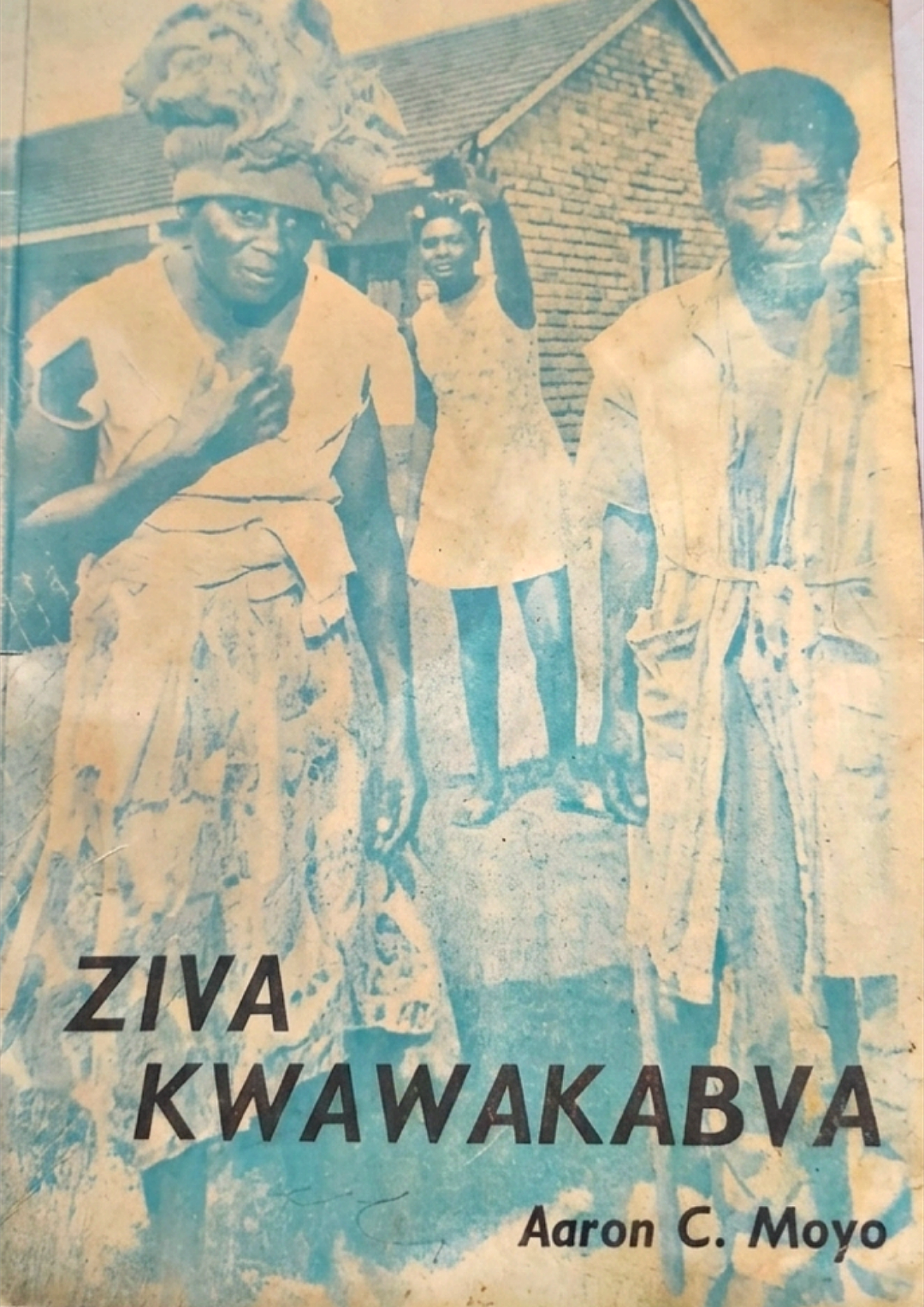
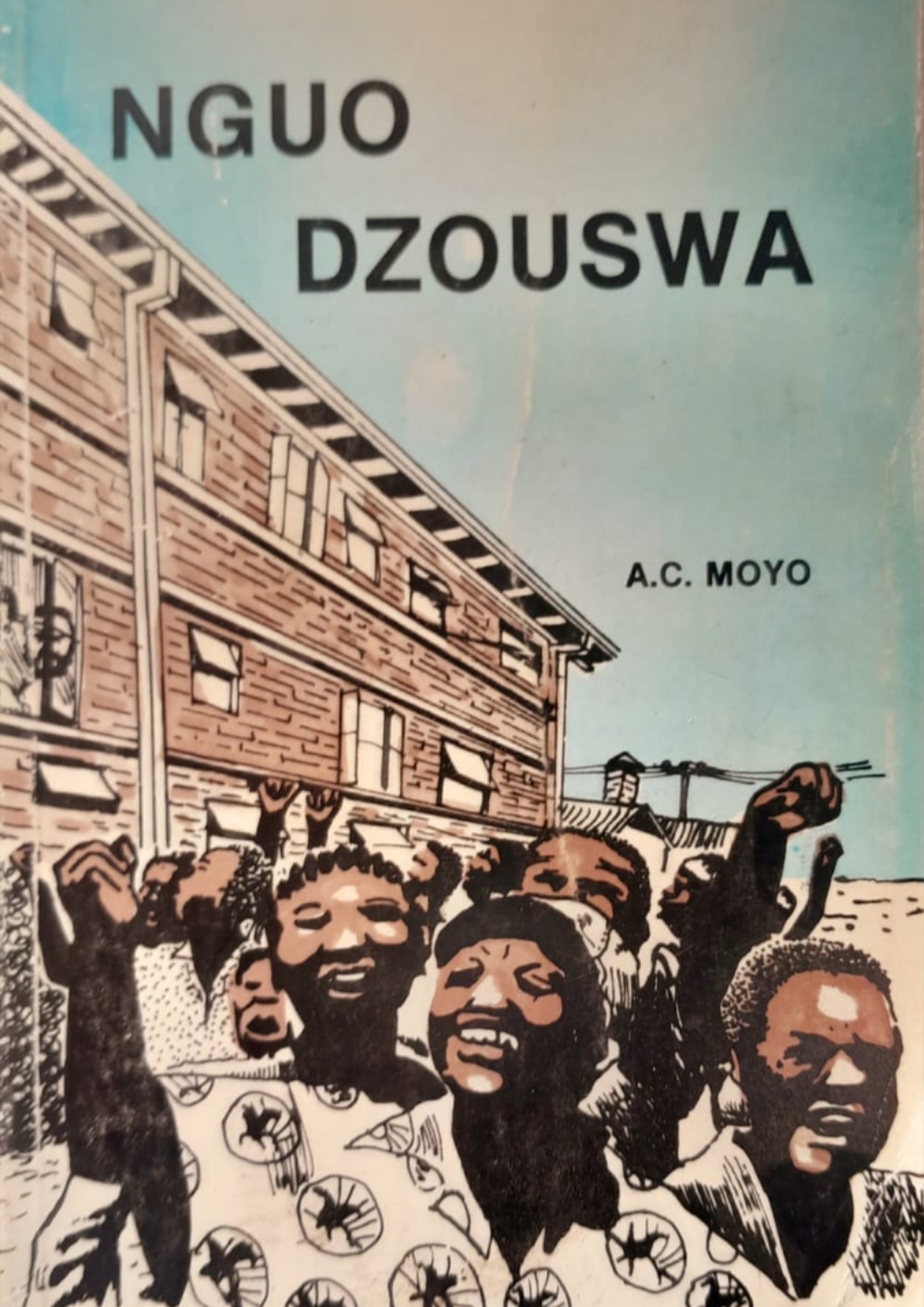
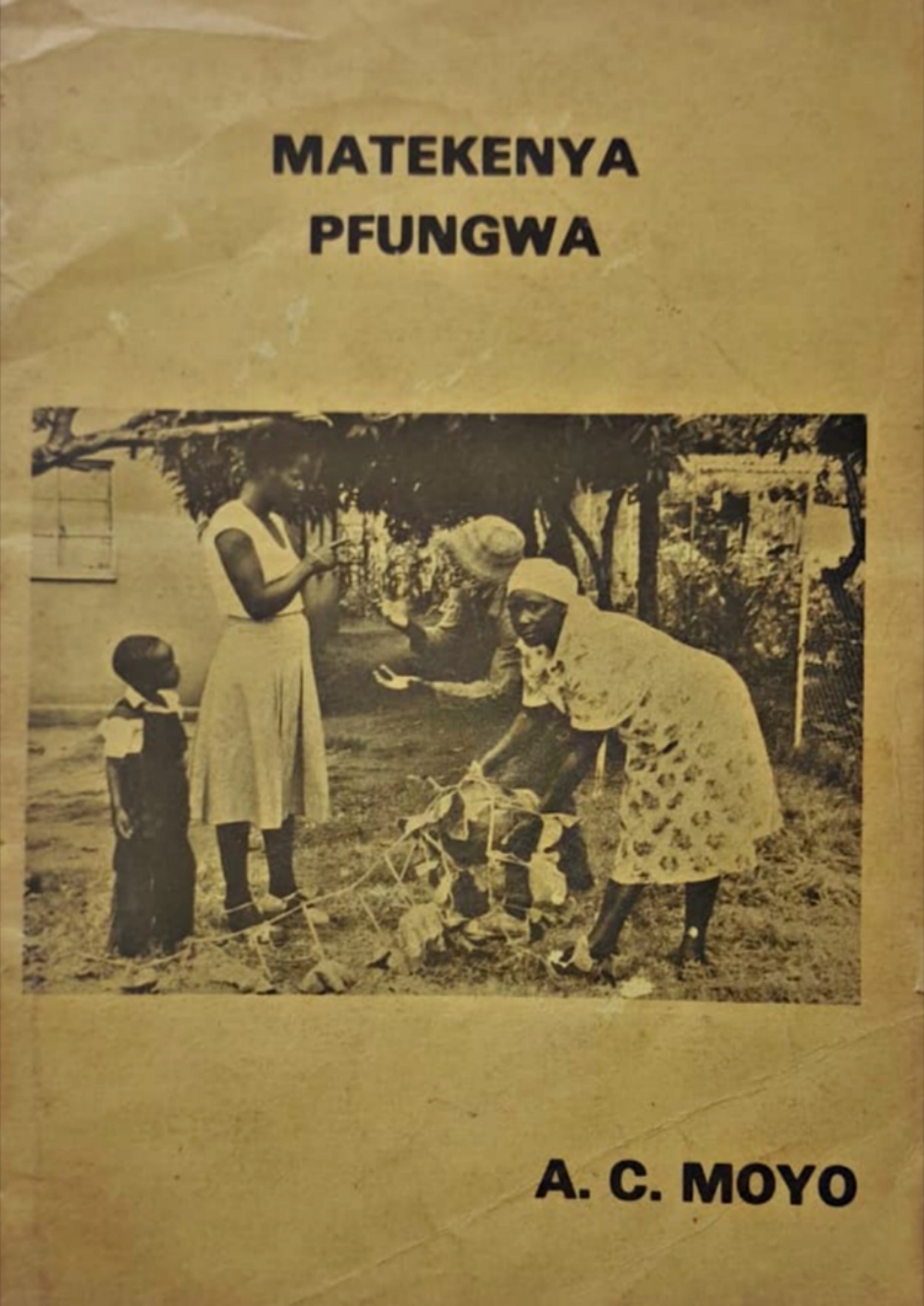
For many Zimbabweans, his argument that language is not simply a vehicle for storytelling — but the story itself — begins in the classroom. Decades before Zimbabwe embraced its Heritage-Based Curriculum, he was on your school syllabus whether you chose him or not. Ziva Kwawakabva (1976), Wakandicheka Nerakagomara (1982), Nguo Dzeuswa (1985) — set texts for decades, still taught today.
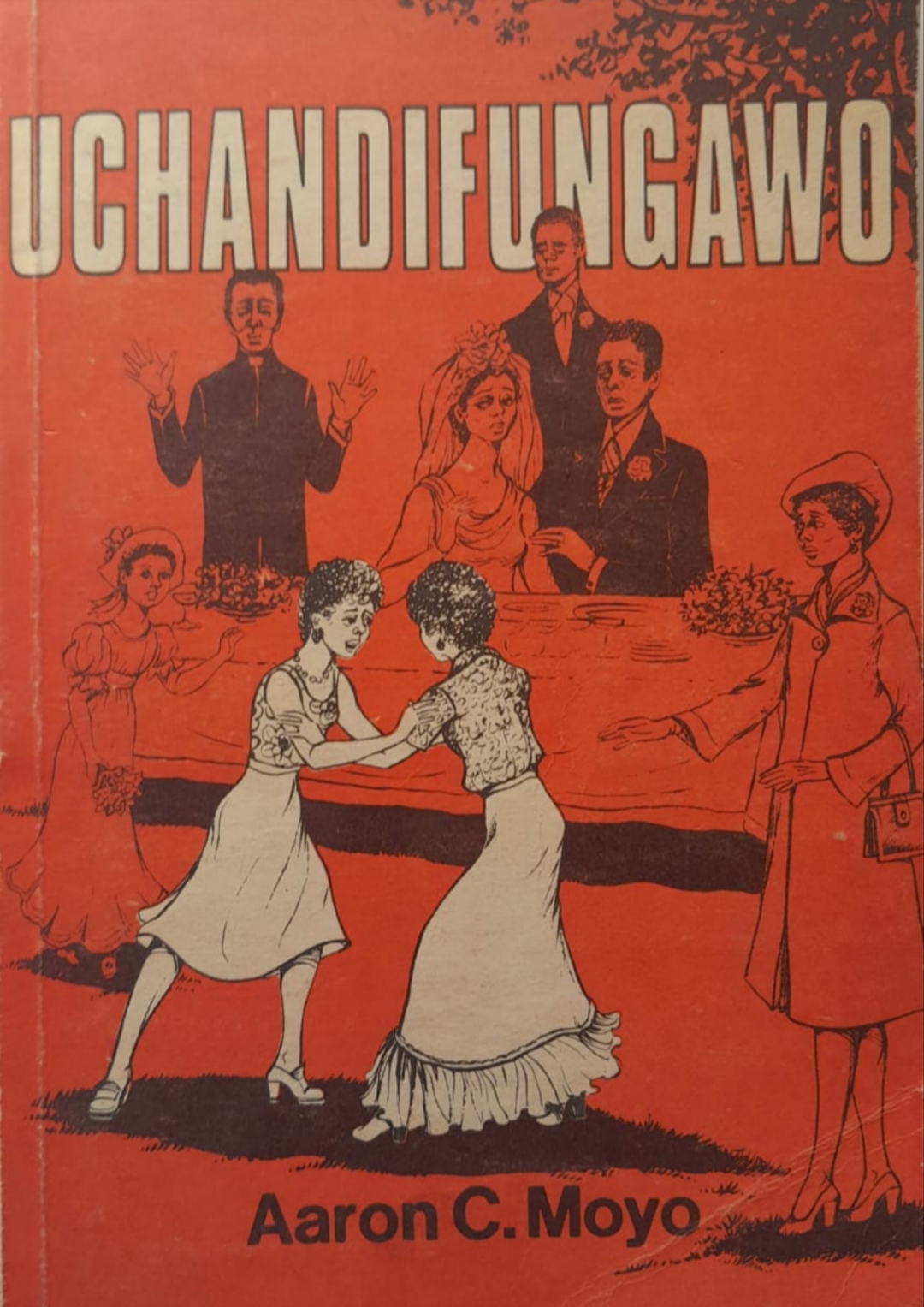
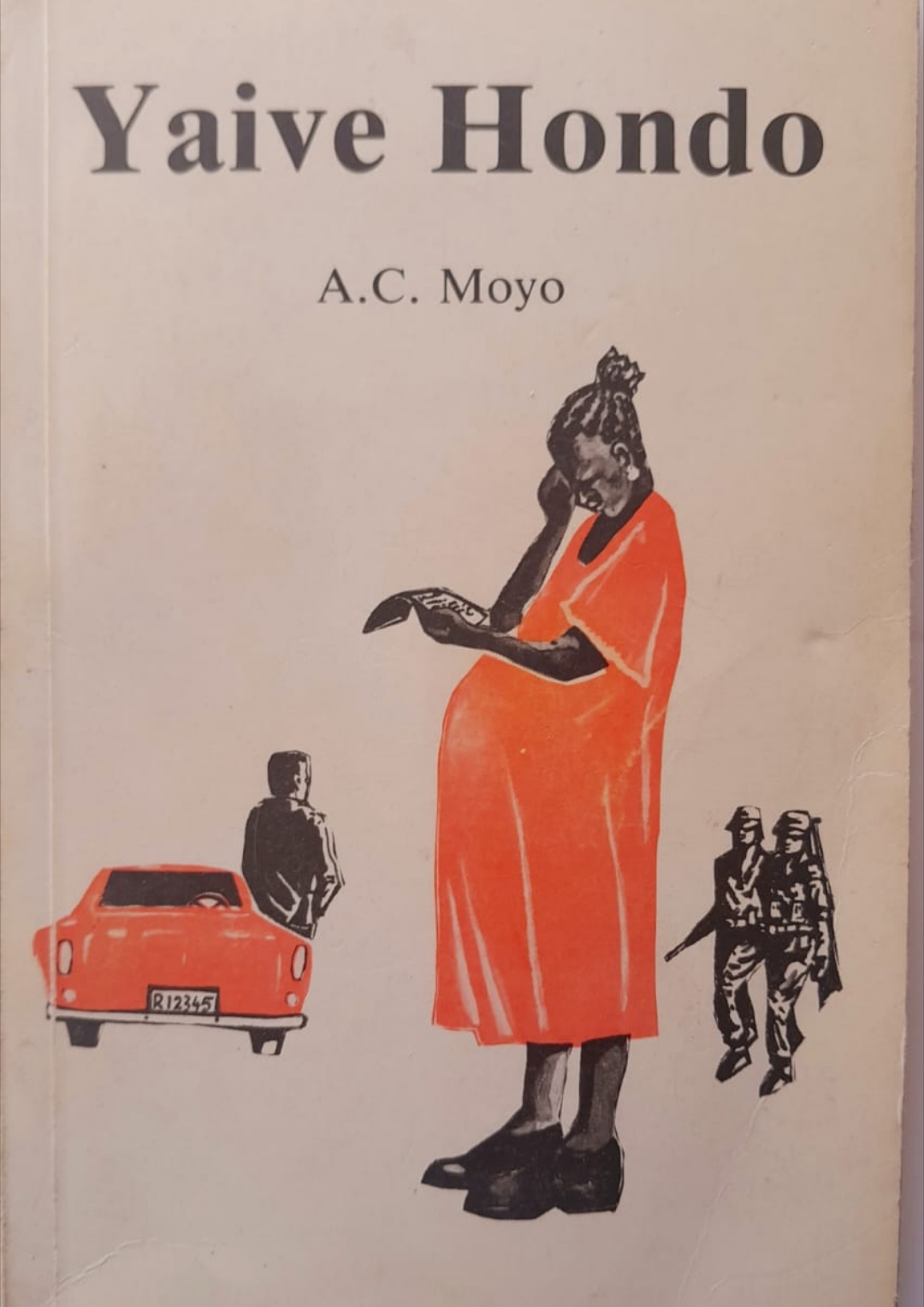
For some, his books, more than twenty of them, were examinations to be passed. For others, they became something far more enduring. Uchandifungawo (1975) dissected the moral architecture of the Zimbabwean family. Yaive Hondo (1985) confronted the trauma of the liberation struggle — not as the triumphal story found in history books, but through the friction, grief and psychological scars it left on ordinary people and small communities. His stories demonstrated that literature written in Shona could occupy the same intellectual and literary space as Shakespeare’s Othello or George Orwell’s Animal Farm, without apology or qualification. But not everybody likes to read.
While most first met Moyo through the written word, he actually entered the creative scene when his short story was read on Rhodesia Broadcasting Corporation Radio Two when he was in Form One in 1971. Before podcasts and streaming redefined audio storytelling, Moyo understood the intimacy of the human voice. He later wrote and produced more shows than any other local dramatist on radio for the same Radio Two (now Radio Zimbabwe), and hosted popular programmes and radio plays, namely Kuverengwa Kwamabhuku, Kudzidza Hakuperi, Regai Dziveshiri Zai Harina Muto and Mavanga. These shows proved our voice, our words, our tones are capable of carrying complex ideas, humour, emotion and social commentary without sacrificing literary quality, at a volume that reached the whole country.
But text and sound weren’t the only places Moyo helped Shona enter our daily lives. He was the villain you recognised from the television — Chikomuhomwe, Chihwerure, Ndabvazera. Most importantly, he created and co-wrote Studio 263, the country’s first daily soap, and its first traditional epic drama Tiriparwendo. Most Zimbabweans have watched episodes of these shows whether they intended to or not, because ZTV1 was the only local public TV channel covering the country until 2020, and in some parts still is. Together, these two shows became modern urban and rural nganos — stories that entertained while quietly teaching, questioning and preserving the values of the country’s interior life.
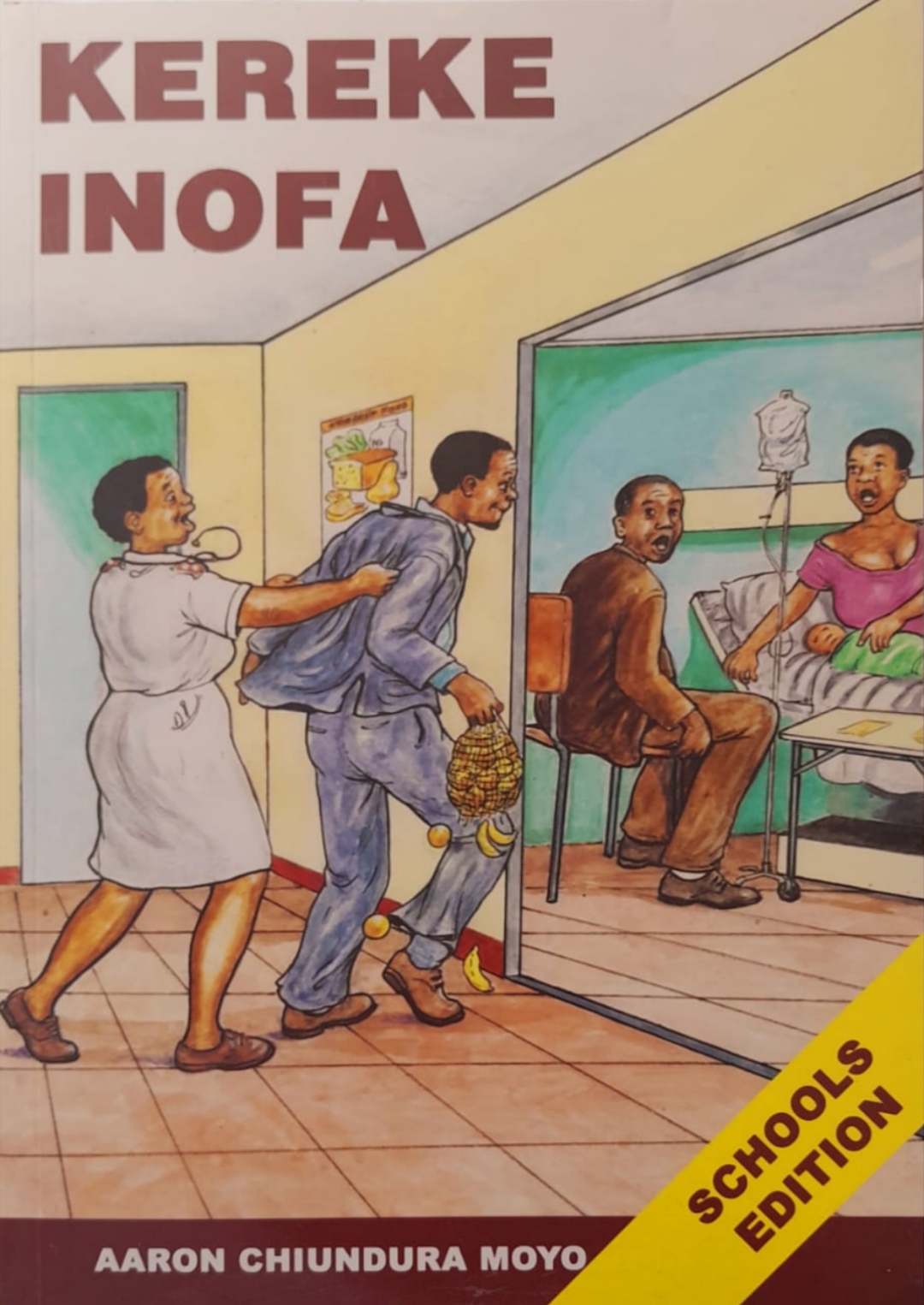
In many ways, the breadth of Moyo’s work — stretching from the solitary, page-turning intimacy of the novel to the communal reach of the airwaves and living rooms, to even more private stages with plays like Chenga Ose (1982) and Kereke Inofa (2012) — is evidence not just of his relevance, but of how embedded our language is in every part of the cultural landscape. Vernacular achievement is rarely celebrated with the same reverence as work produced in English. Literature written in indigenous languages is too often confined to classrooms, cultural festivals or heritage commemorations, while English remains the default language of prestige, criticism and commercial success. Aaron Chiundura Moyo has spent more than five decades proving that Shona could carry an entire nation’s cultural imagination without translations.
NP: Before we get into it, Sungura legend Jonah Moyo — are the two of you actually related?
ACM: Yes, Dr Jonah Moyo is my brother, whose music inspired me over a period of years. I saw how he started with his banjo during our primary school days, but I contributed nothing to his musical growth.
NP: Your own work — specifically your books — have been studied in Zimbabwean schools for decades. It’s hard to quantify your impact on Shona-language literature. How do you feel about it?
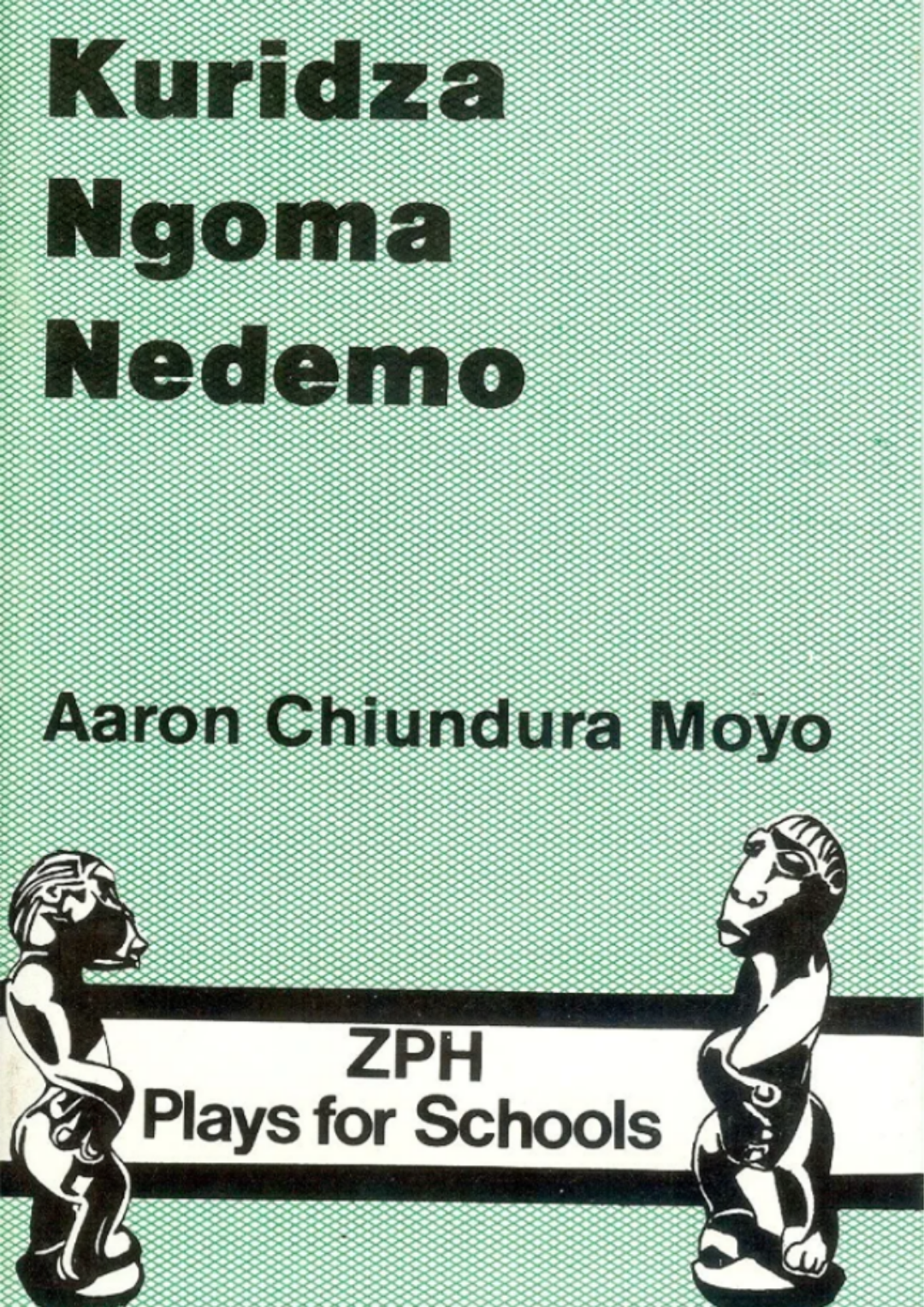
ACM: I really don’t know how to measure the contributions I have made to Zimbabwean Shona literature, as well as Shona as a language. Since my school days — when my short story was read on the Rhodesia Broadcasting Corporation African Service in 1971 — up to this day, my Shona books — novels and plays — have been selected once or twice as set books. These are Uchandifungawo, Ziva Kwawakabva, Chenga Ose, Nguo Dzeuswa, Wandibaya Panyama Nhete, Ndabve Zera, Kuridza Ngoma neDemo, Chemera Mudundundu, Pane Nyaya, Kereke Inofa, Chabvondoka. I would say that’s my actual contribution to literature in schools. I have other publications which are still to be selected for school reading. And when it comes to my contribution to Shona as a language, I did several radio dramas before I joined ZBC — maybe more than any other artist — as scriptwriter, actor and later producer, and presented several cultural programmes on radio and others for many years in Shona. On top of that, I did not less than nine TV dramas, all in Shona, playing different roles. But there is nowhere I can stand in Shakespeare’s shadow, come what may.
AG: Like Shakespeare, several of your novels have made it to the screen. What’s the hardest part of adapting your own work?
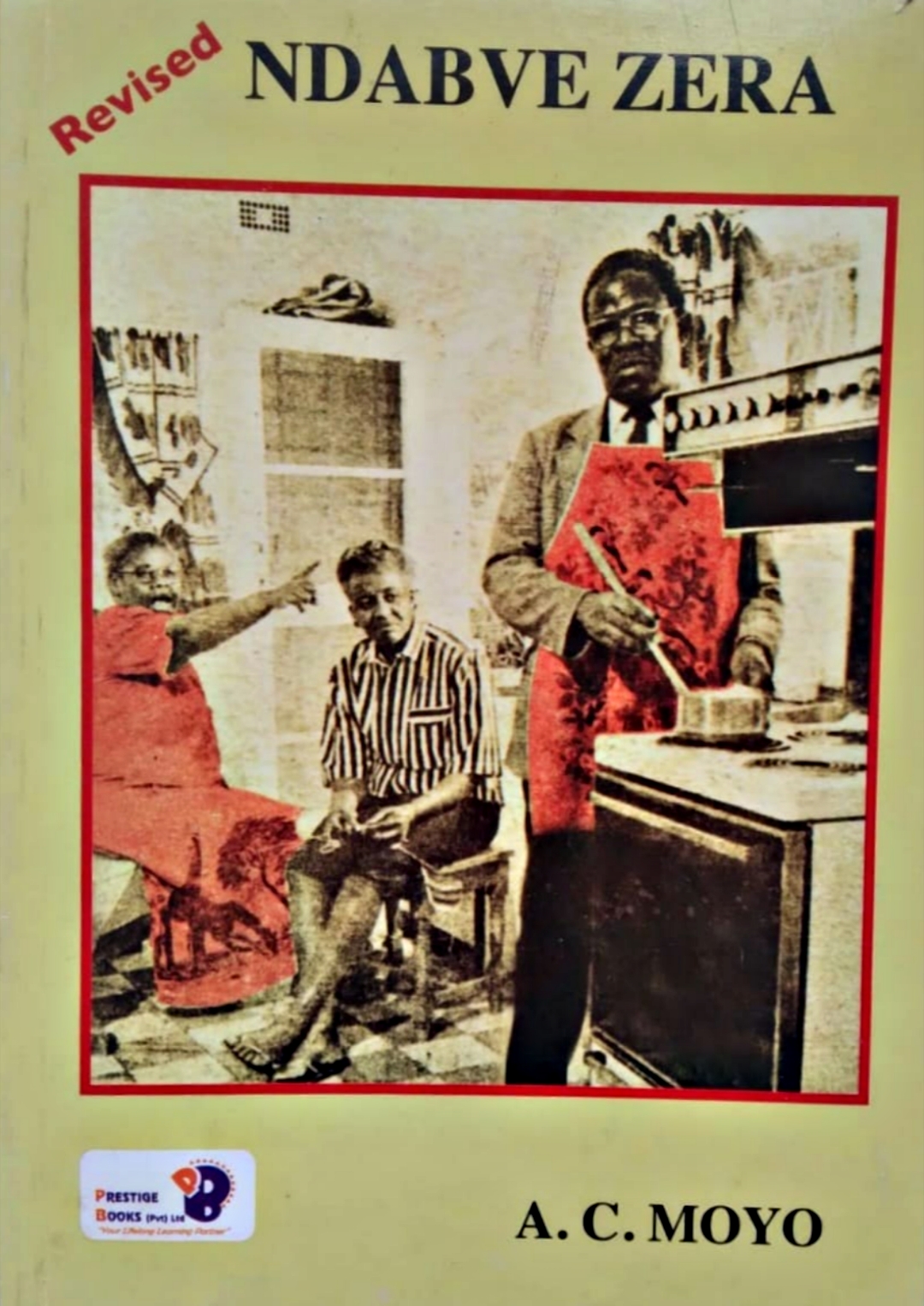
ACM: When adapting a novel into a screenplay, the exercise becomes new and demanding. It is easier to write a screenplay from zero than adapting it, and it’s easier to write a novel from zero than adapting it from a screenplay. It is like pulling down a building and then rebuilding it, trying to have the same structure. It will never look the same — it may be better or worse. But I only did this to my two novels, Ziva Kwawakabva and Ndabve Zera, because the idea was to store my content in book form for future use and go on creating new content while I was still able to create.
NP:Writing the screenplay might have been harder for you, but probably not the acting. You built a reputation of playing the villain very well. What drew you to those roles?
ACM: As an actor and scriptwriter I created those bad guy roles with me in mind, to protect the images of other actors. In those days many viewers confused acting and real-life situations. Also, I thought I could portray those roles better than all the cast I worked with then. The roles I played in the dramas Chioko Muhomwe, Masimba, Zevezeve, Madhunamutuna, Chihwerure (Maguro Manyoro) and Ndabve Zera did not go well with a number of people, since they were affected differently. In real life, many viewers viewed me as a very, very bad person. Some wanted to beat me up — both men and women. I created as many enemies along the way.
NP: Talking about acting, you are also a renowned talent scout. What are you actually looking for when you’re casting someone new?
ACM: As the writer and director of many of my screenplays, I very much know the type of person I look for in the characters I create, such that when doing casting, my job becomes much easier. However, what I often look for when trying to discover new talent are three or four basic things: Can one read, master lines and follow the story? Can one enter into character or mood? Can one follow instructions? Can you work under pressure? So far, I am pleased that I have discovered a lot of talent, some of whom have become big names in the creative industry — but I won’t name names.
AG: Let me do a name drop in your place. Wicknell Chivhayo generously gifted you not just a car but $50K. What did that mean to you, personally and professionally?
ACM: Having taken the arts seriously since my days at Mambo Government School in Gweru, and then being hugely rewarded by Wicknell Chivhayo, the excitement and the feeling go beyond any linguist’s words. All I can say for now, since I am still to believe it, is that Mwana waVaChivhayo akandigonera zvisingabviri — I am beyond words with gratitude for this amazing gesture. To me, these gifts have given me a sense of believing in myself once more, and this hope lasting whatever days I still have on earth on a high note — thus, if I manage my finances well, and that is if I manage to be the author of the book I’m writing, not the character in that book. Who knows, besides fate itself?
AG: Zimbabwe can be a hard space for creatives. Did you at some stage feel like it might have been the wrong career path? How do you feel about it now?
ACM: Professionally, I now believe I didn’t choose the wrong profession after all, and with the little energy I still have, more writing, directing and acting has to be expected from me, so that I die in the battlefield like a good soldier.
NP: You have done a lot of great work and you are still doing great work for the industry, especially the CVPE stakeholders workshop you put together. What made you bring those people together?
ACM: These Creative Voices for Policy Engagement (CVPE) Stakeholders’ Workshops came as a realisation that there is a wide information gap between artists and the stakeholders which needed to be narrowed for the benefit of both sides. These two sides had to sit down and learn from each other and, where possible, suggest policy moderation.
AG: So who got the invite? (laughs) Which stakeholders did you make sure were in the room, and why?
ACM: ZBC, because creatives take their content there for a fee. BAZ, for obvious reasons. Publishers, because they handle authors’ manuscripts. The Censorship Control Unit, for obvious reasons. NACZ, because they are the artists’ mother board. RROZ, because they are fighting against piracy. City councils, because they control the buildings, roads and other places used by artists when filming, recording or performing. And the CDU, because they are the ones who decide what type of material goes through schools. The content creators included authors, poets, playwrights, filmmakers, actors, those working in the digital space and other writers covering different genres. All the above-mentioned stakeholders had to come and explain who they are and what they expect from the creatives — or rather, content creators — give guidelines and later answer questions from the artists. The whole idea was to try and close the gap, not to widen it. A lot was gained from the very frank conversations, where most called a spade a spade. This was a gathering of its own kind. Everyone who attended had one task: to listen, question and propose new ideas for policy change.
NP: Sounds like the kind of dialogue we need to turn our local creative community into a real industry. But for those who couldn’t attend, to end off, any message for other cultural icons out there, in Zimbabwe or beyond?
ACM: To all cultural icons in and outside Zimbabwe, my word is: keep hoping. Every dog has its day in one way or the other. Work for your society in the best manner you can — one day someone shall notice your good work.
Africa has spent the better part of a century being told, implicitly, that its most serious stories must be told in English — that prestige, criticism and posterity all speak with a foreign accent. Aaron Chiundura Moyo built a fifty-year career on refusing that premise, and was rewarded for it. Not by translating himself for a wider audience, but by trusting that one nation’s own language was always wide enough to hold what it was, what it is, and what it can become — its grief, its villains, its comedy, its politics. Somewhere between hearing his stories retold on radio in a colonised Zimbabwe and holding stakeholders’ workshops in a free one, one thing survived and grew: Shona. In the age of the revival of indigenous knowledge systems, investing in our mother tongues is not only essential, but clearly the smartest seed to plant for any season
Follow Aaron @aaron-chiundura-moyo


One thought on “In Our Own Language: Aaron Chiundura Moyo Q&A”