When Zimbabwe’s Ministry of Education selected Jabu by Elizabeth Taderera as an O-Level English Literature set book, it made a choice that deserves more scrutiny than it has received. Not because the choice is wrong — it isn’t — but because of what it quietly affirms.
A review of Jabu
By Alex Gwaze (Curator)
There is a particular kind of hunger that Zimbabwean literature understands well — not the metaphorical kind that self-help books romanticise, but the specific, grinding weight of wanting more than your circumstances will allow. Jabu knows this hunger intimately and does not zoom into it, because its author understands how widespread it is.
Taderera, who also publishes under the name Aries Rage, is a poet and novelist from Gweru whose ten books have won her the best author prize at the African Print Author’s Poetry Awards (APAPA) and the African American Poetry Contest. Jabu, crowned Book of the Year 2024 by Dream Discovery Publishers and Best Titled Book at the 2025 APAPA Awards, is her most visible work yet.
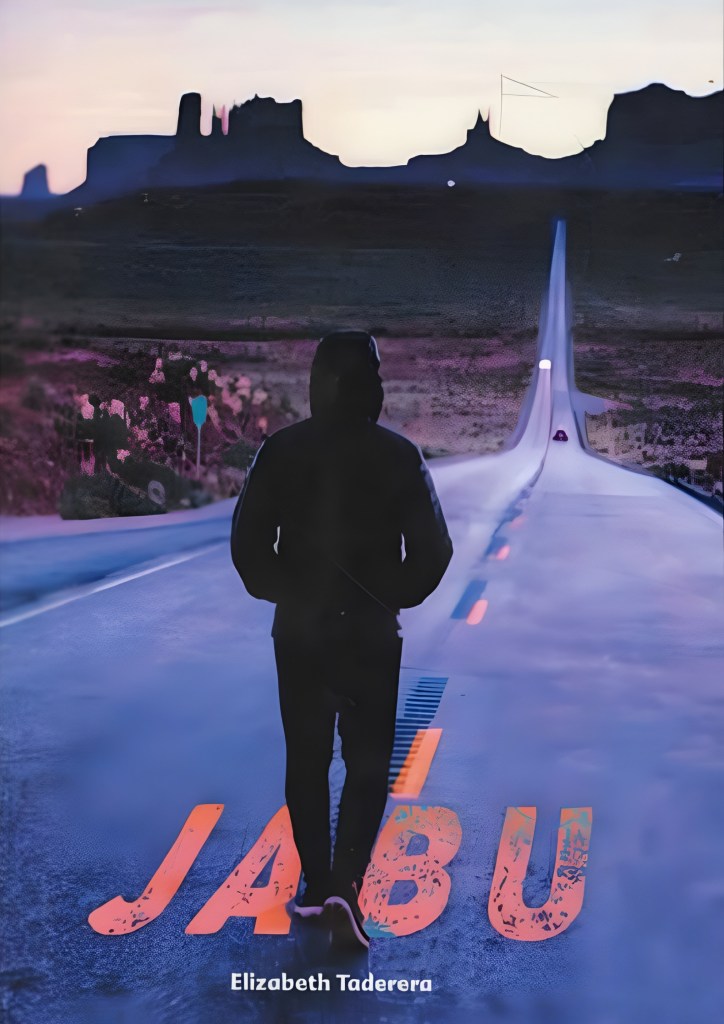
The novel follows the title character, Jabu: a young man of genuine intelligence and no money, who dreams of fast cars, stability, and Penny — the surgeon’s daughter whose world operates by different rules. The car. The house. The girl. The social media signs of success. We recognise his wants. His father James is a cobbler and a drinker, proud in the way men are proud when they work with their hands but have nothing else to hold on to. His mother Sandi is quietly optimistic, quietly burdened, quietly enduring. She is keeping a secret that will eventually undo everything. This is the architecture of the book: a world of careful silences and impending disasters.
But what Elizabeth does well is something not immediately obvious. She is a woman writing a first-person narration about male ambition in Africa — from inside a young man’s mind — with the kind of authority that only comes from understanding something deeply enough to render it without flattery. Hers is a female gaze on male desire that keeps the reader uncomfortably close to a protagonist who is neither villain nor hero but something more unsettling: a recognisable young man making understandable choices toward an irreversible end. She narrates Jabu’s hunger from the inside without indulging it, chronicles his reasoning without endorsing it, and denies us the resounding satisfaction of typical well-earned comeuppance.
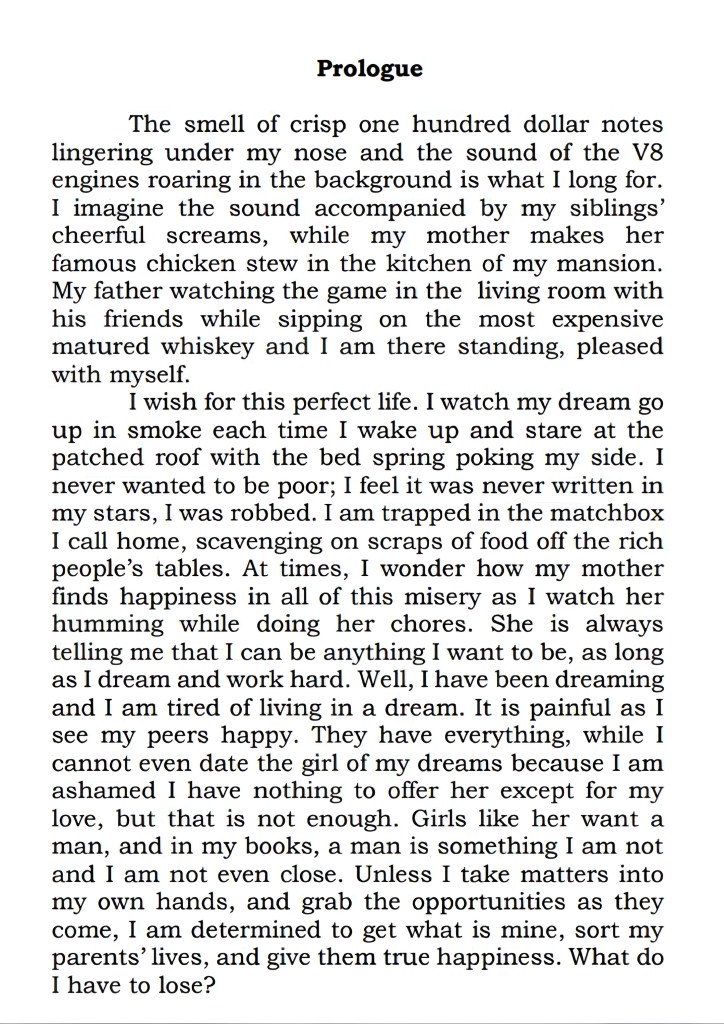
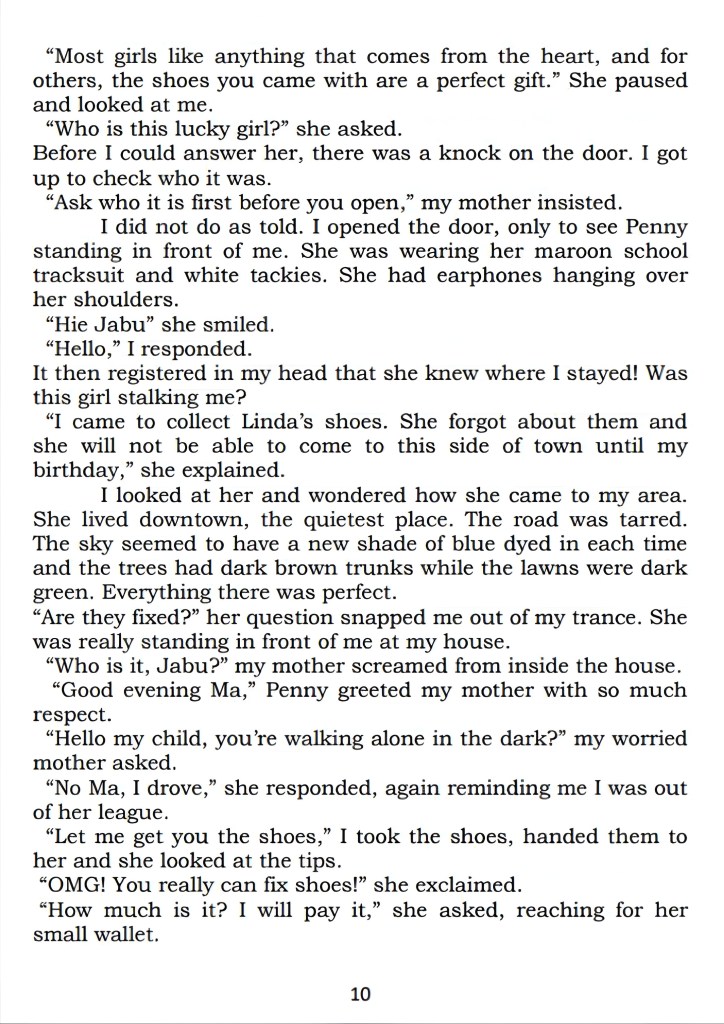
When Jabu skips school to earn exam fees, we know this choice. When a wealthy surgeon named Dr. Vusi offers him proximity to another life, we suspect it, he takes it and we pray for him. The novel does what it should do after that. It follows that decision to its most honest and unexpected twisted turns. The supernatural enters not as metaphor and not as spectacle, but as moral logic. Ritual is how the story thinks. A bag of money appears. A friend is sacrificed. A bloodline is revealed. None of it is meant to unsettle you with its strangeness. It is meant to show you how ambition, unchecked, infects and metabolises the people around it. The moral is not announced. It accumulates as consequences often do. Writing cause and effect in this way is the best way to demonstrate discipline, and it is rare.
This, in my opinion, is why this text was prescribed to our nation’s young minds. There is a persistent tendency — in criticism, in curricula, in the Western literary market — to read African supernatural fiction as naïve folk belief or exotic commodity or real cultural heritage. Jabu refuses all these perspectives. It treats ritual the way proverbs treat wisdom: as allegory for moral reality, serious and transferable. The tradition it works in is closer to Bunny by Mona Awad and Pan’s Labyrinth by Guillermo del Toro than one might expect — works where fantasy is not an escape from social reality but a more honest account of our lived experiences at a different frequency. Such stories arrive at truths that straight realism deflects or magnifies. What connects them is the same dark grammar: envy, desperation, a bad teacher with specific, escalating, dangerous tasks that promise everything but yield pain — traps dressed as opportunity.
From my reading, Jabu is a coming-of-age story about suffocating desperation — driven by poverty and a consuming desire to be enough. It is defined by moral compromise, where a young person must decide how much of their own integrity they are willing to sacrifice to survive or escape their environment, before they are experienced enough to see further down the road. The supernatural elements that enter Jabu’s life do not arrive in a vacuum. The magic is a direct symptom of societal decay and personal trauma — appearing only because the real world has failed him so completely that a dark ritual becomes not an aberration, but the most logical way out of his unchanging environment. We have all seen the headlines of such muti stories. What Taderera does is take you behind the scenes to tell you the full story.
🔊 LISTEN TO: Author’s comments
Details:
Jabu is available at these books shops: Harare (Baroda bookshop, Heritage Bookshop, Innova Book shop). Bulawayo (Ultimate book and stationery, Heritage Bookshops, Macedonia projects, Dingani Bookshop, Gift Bookshop). Gweru (Dream Discovery Publishers, Heritage Bookshop, Macedonia projects).
ISBN: 978-1-77921-348-84. Publisher: Dream Discovery Publishers. First Published: 2021 Pages: 136.
Genres: Contemporary Fiction, Magical Realism, Literary Fiction. Categories: Young Adult, African Literature, Zimbabwean Literature, Heritage, Education.
Mood: Tense, morally urgent, quietly devastating. Voice: First-person narration. Intimate and emotional imagery. Figurative language used. Pace / Chapters: Escalating. Opens in social realism, tightens progressively. Readable in two or three sittings.
Main Character Arc: Jabu begins as a sympathetic dreamer — intelligent, industrious. His descent is the argument. Plot: A young man from a poor family falls under the influence of a wealthy surgeon who offers money and status.
Why It Matters: A woman narrating male ambition in contemporary Africa, with full command of the interior life she is rendering.
Follow Elizabeth Taderera @elizabeth_dt_taderera


Thank you so much for the amazing review. I’m speechless. I loved it❤️
LikeLiked by 1 person
Great book. Really enjoyed it. We need more!
LikeLike
http://Yes I enjoyed buh I need a movie
LikeLike
Definitely. We need more local films
LikeLike