How personal style became a boutique African fashion label.
Words by Alex Gwaze (Curator)
Questions by Alex Gwaze & Joanne Peters (Image Consultant)
Photographs by Tanya & Julian Mushayi + others
There is a version of this story that begins with fabric. A young woman in Harare, cutting patterns for herself because nothing on the racks fit what she wanted to say. That version is true, but it is not the beginning. The beginning is a name, split in two and then rejoined, and the decade of work required to make that seam mean something beyond herself. But before we get there, we have to start at the chasm.
Tanyaradzwa Mushayi was eleven when she left Zimbabwe for Manchester in the United Kingdom, following a mother who had gone ahead for work and study. What followed was the particular disorientation of the diaspora child caught between a home she’d left too young to properly claim and a home she’d arrived in too foreign to fully enter. That feeling of migration, memory and cultural exchange, of existing between worlds, became central to her design language. Rather than choosing between African heritage and global influences, Tanya embraces both and more when her design instincts arrived early and sideways.
In the UK, she earned a Higher National Diploma in Art and Design (Openshaw MANCAT UK), before pursuing a degree in Surface Design foe Fashion and Interior Design at the University of Huddersfield. Two years in, with her mother pushing her to finish, she left before her final year. Zimbabwe was calling. The UK was the prologue. This is where the story begins, with the brand name: Tanya Nefertari.
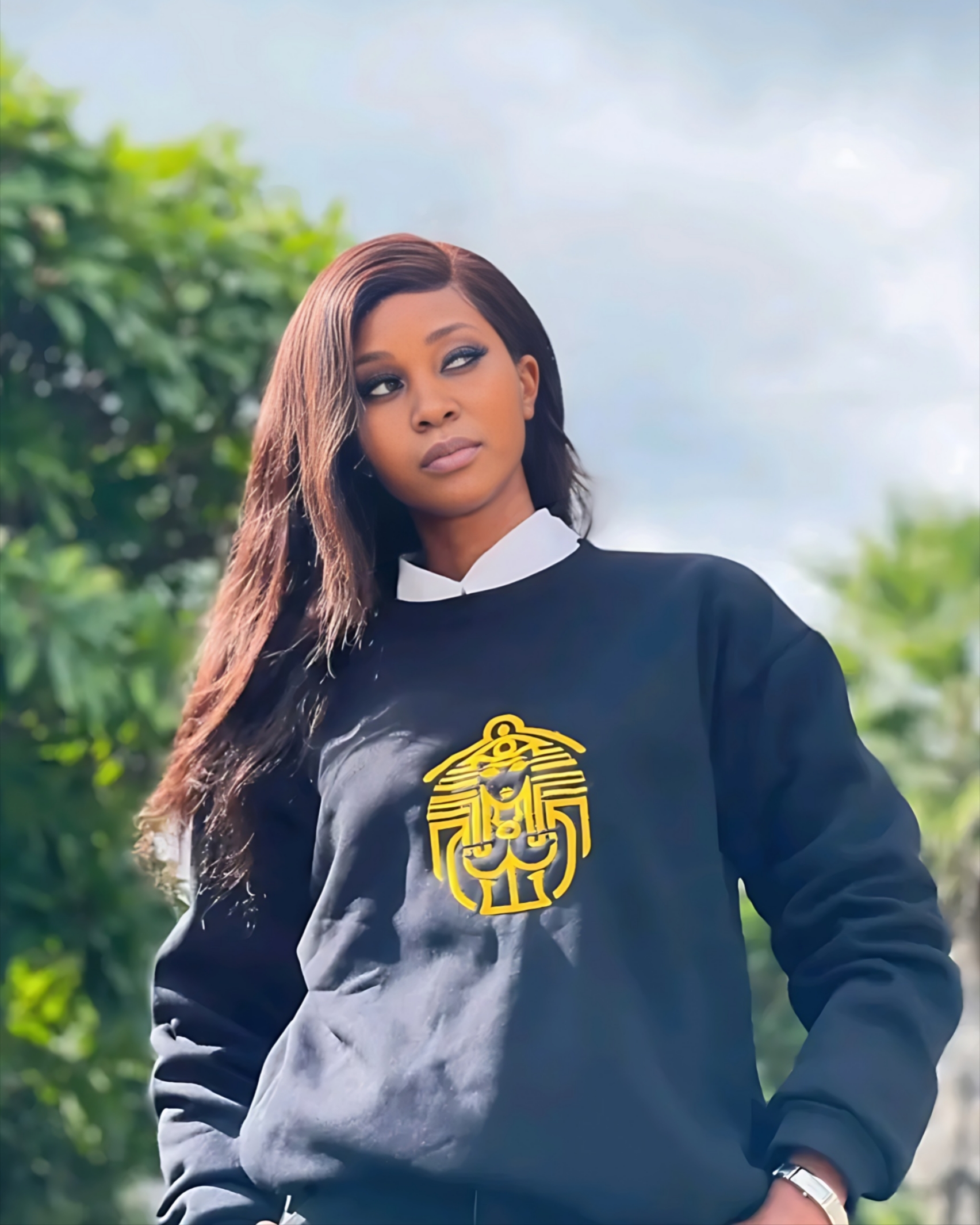
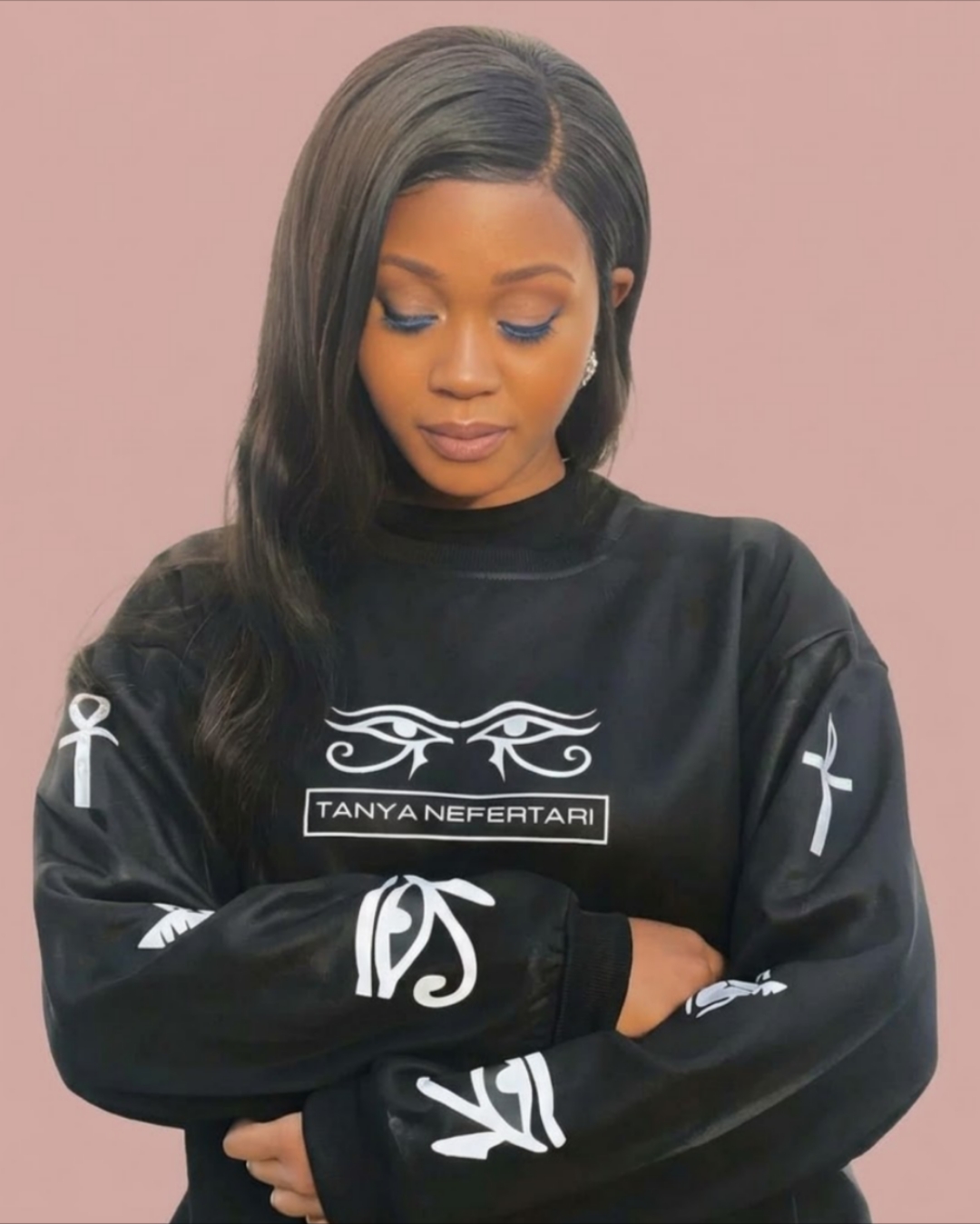
The name itself does the heaviest lifting. Tanya, short for Tanyaradzwa, meaning “we have been consoled”, merged with Nefertari, the Great Royal Wife of Ramesses II, whose name means “the most beautiful one has arrived” or “beautiful companion.” “A beautiful companion has consoled us” is how Mushayi translates the fusion.
Since its inception around 2011, Tanya Nefertari has built a portfolio that stretches across fashion, music and global media. The label has been featured on the BBC’s Africa Business Report and CNN Style, and profiled on the influential Kenyan platform Not Just A Label. It has also appeared in a Diesel+Edun campaign and been worn extensively by Zimbabwean rapper and actor Tehn Diamond. Her reach has not gone unnoticed: Mushayi was named Creative Nestlings Young African Fashion Designer of the Year and won a Zimbabwe Blog Award for fashion and style. That last win is worth paying attention to because it speaks to how she came up.
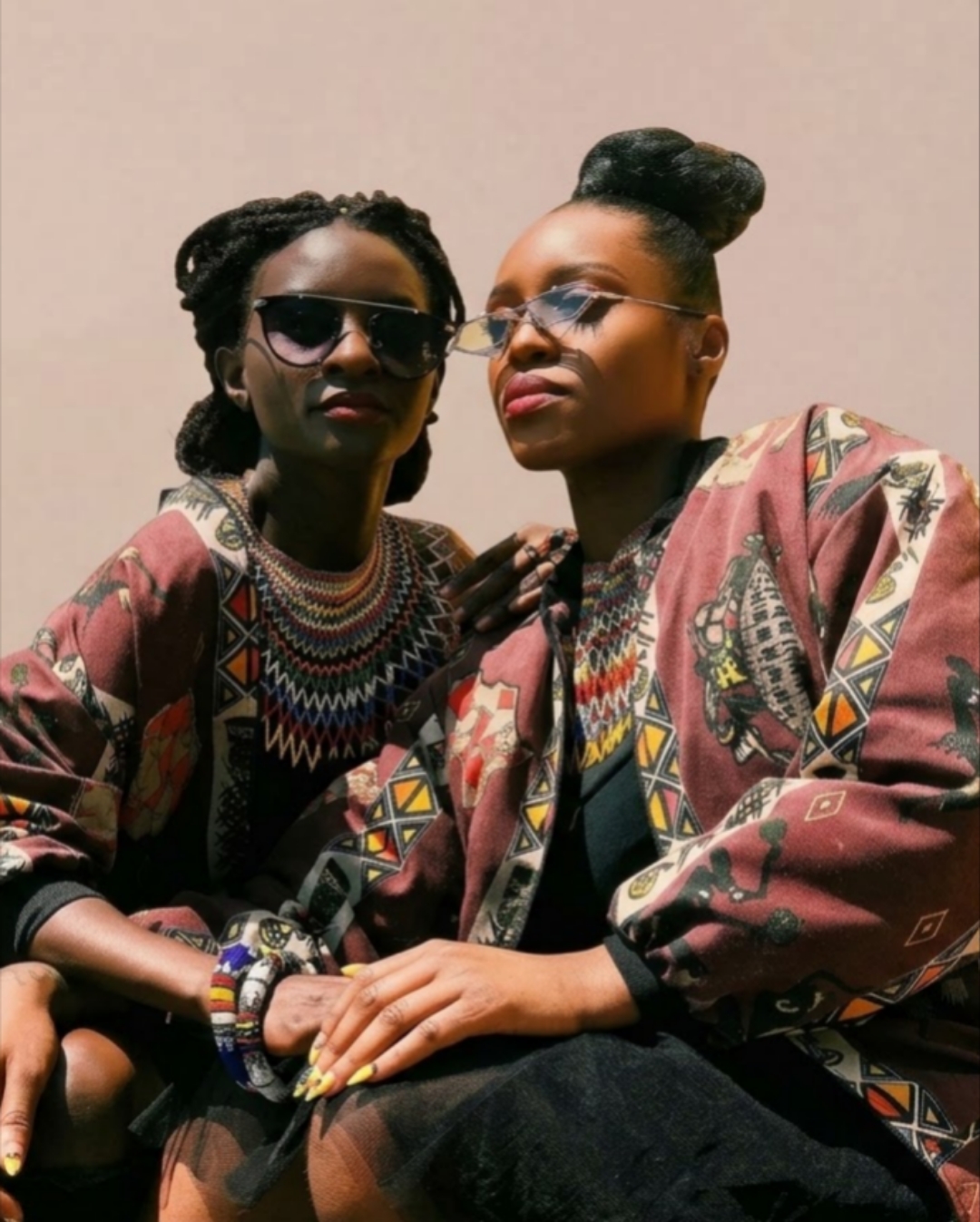
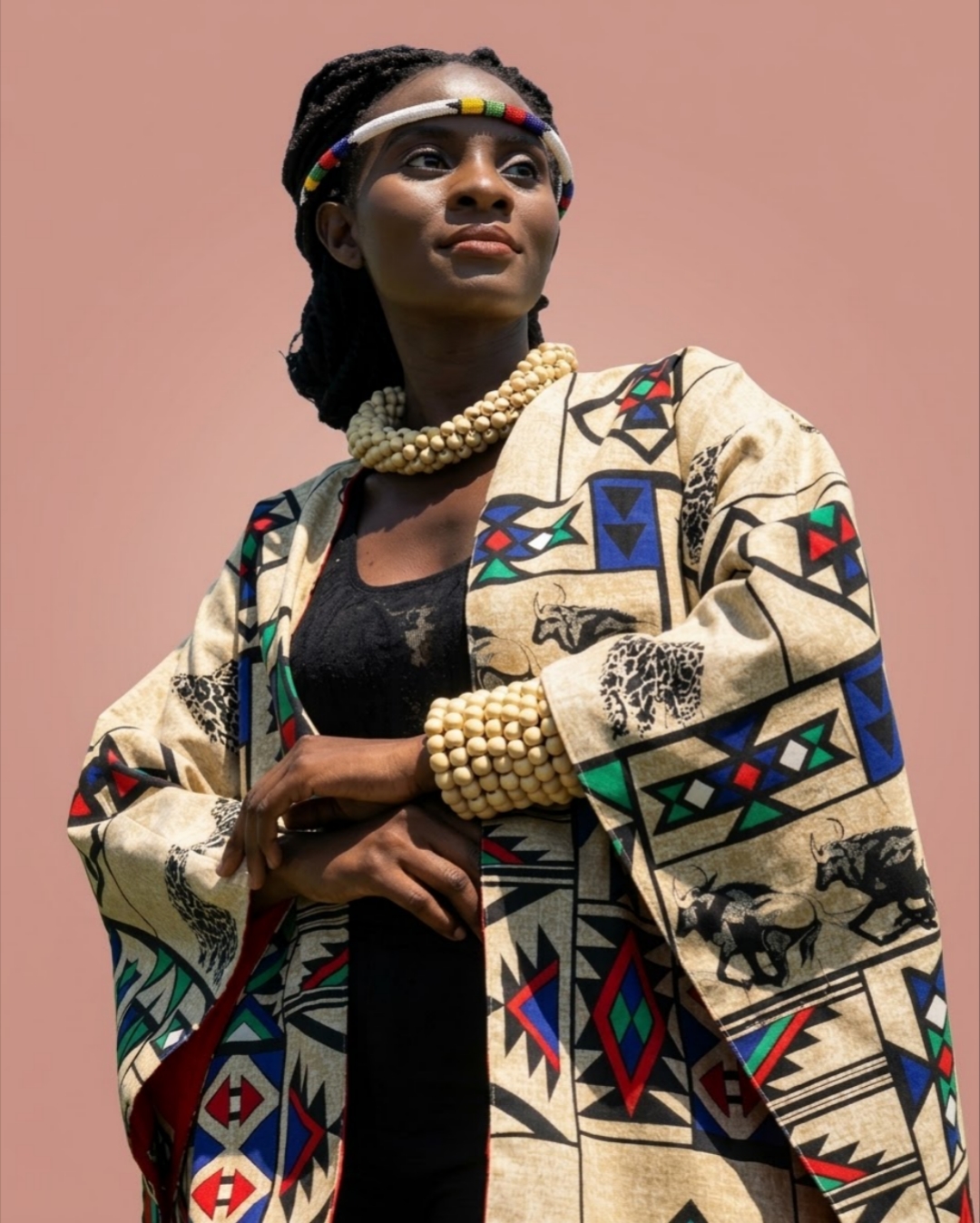
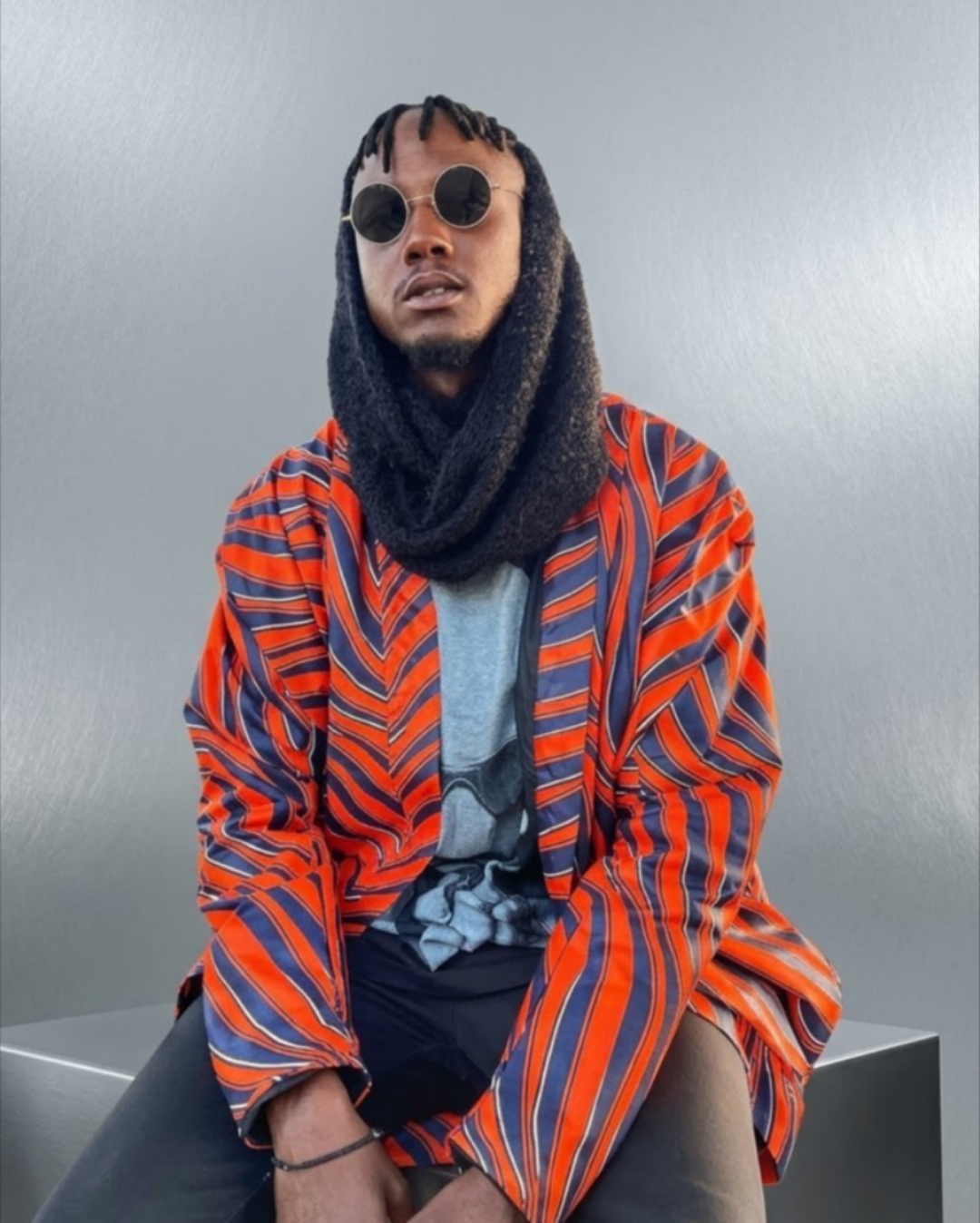
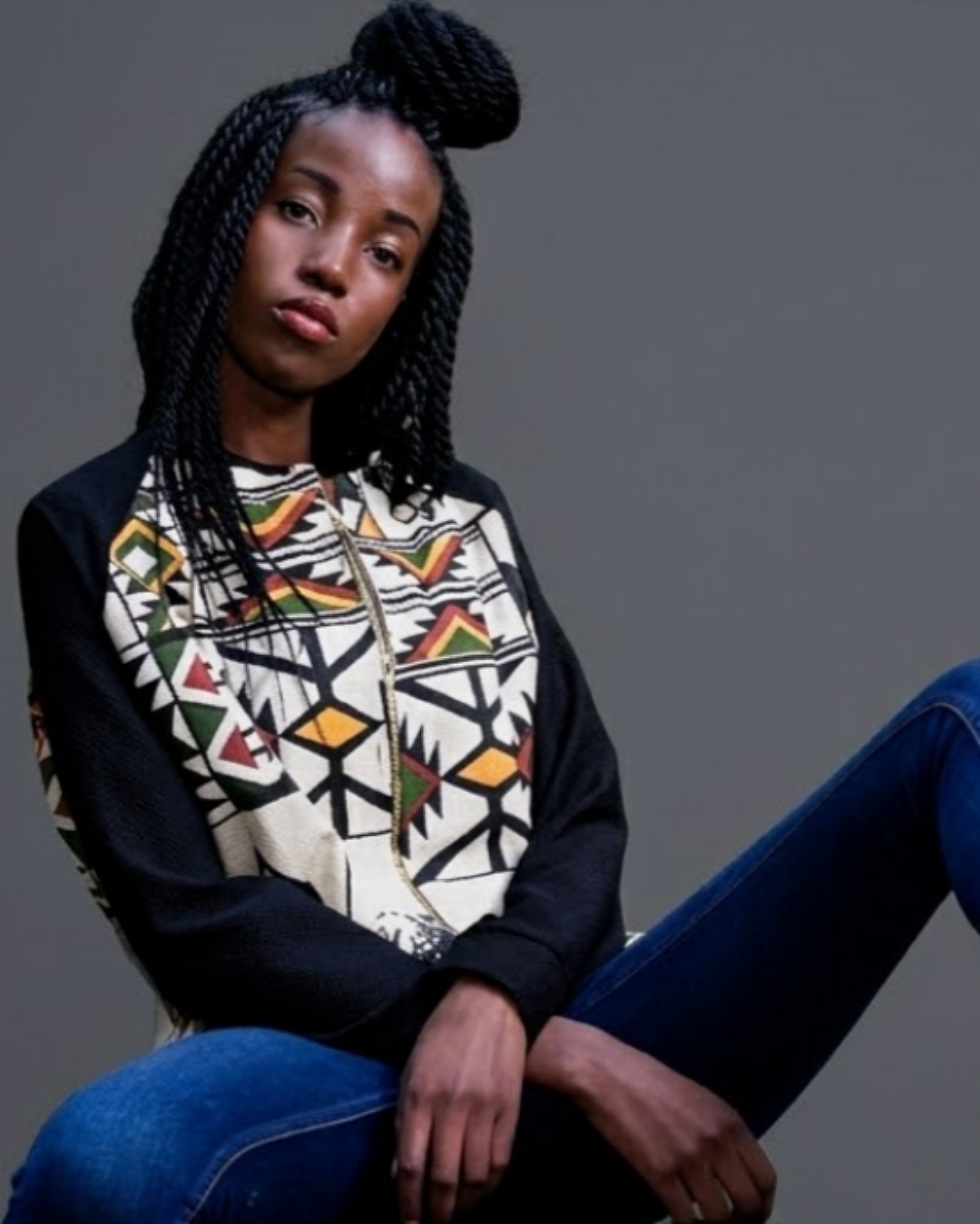
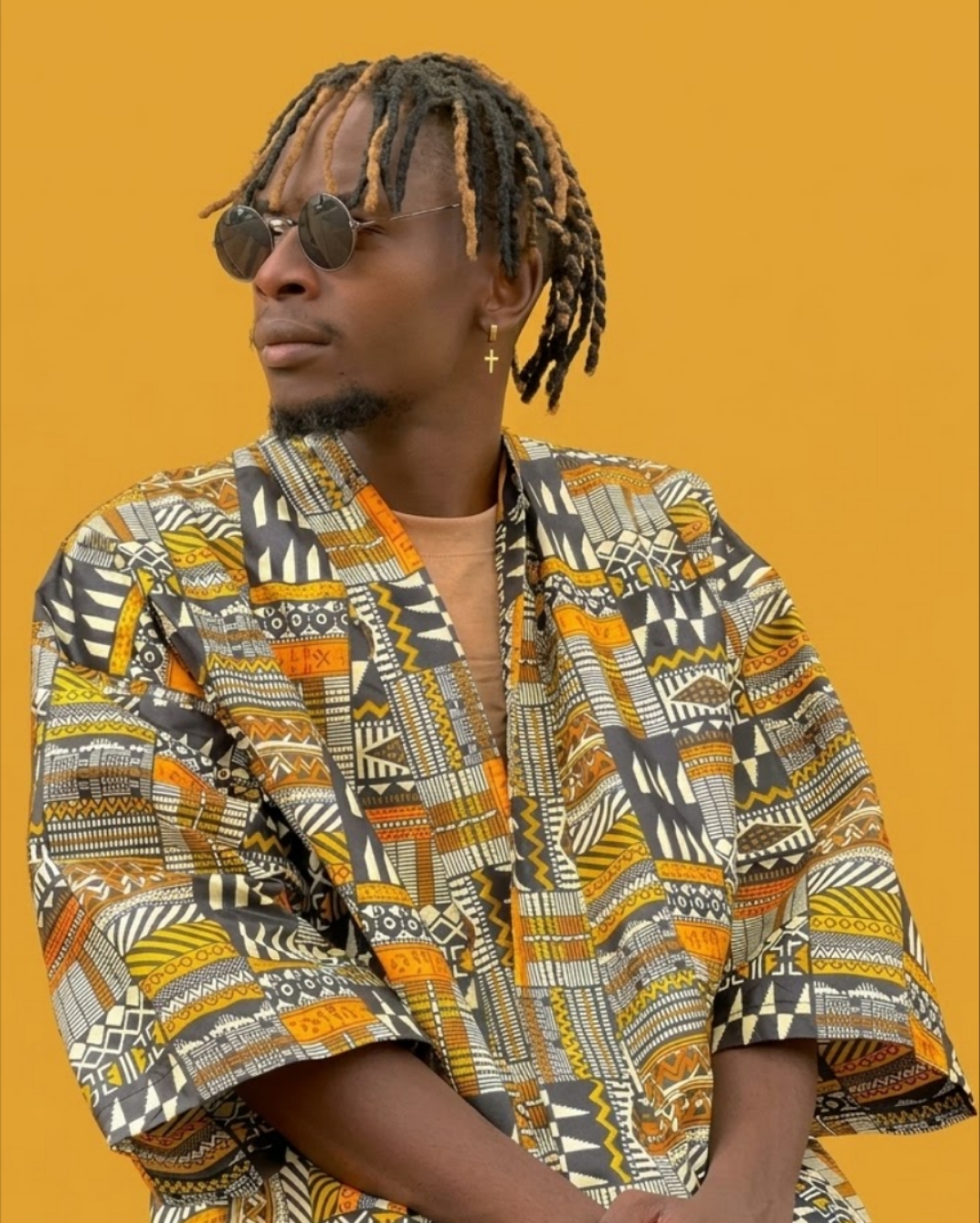
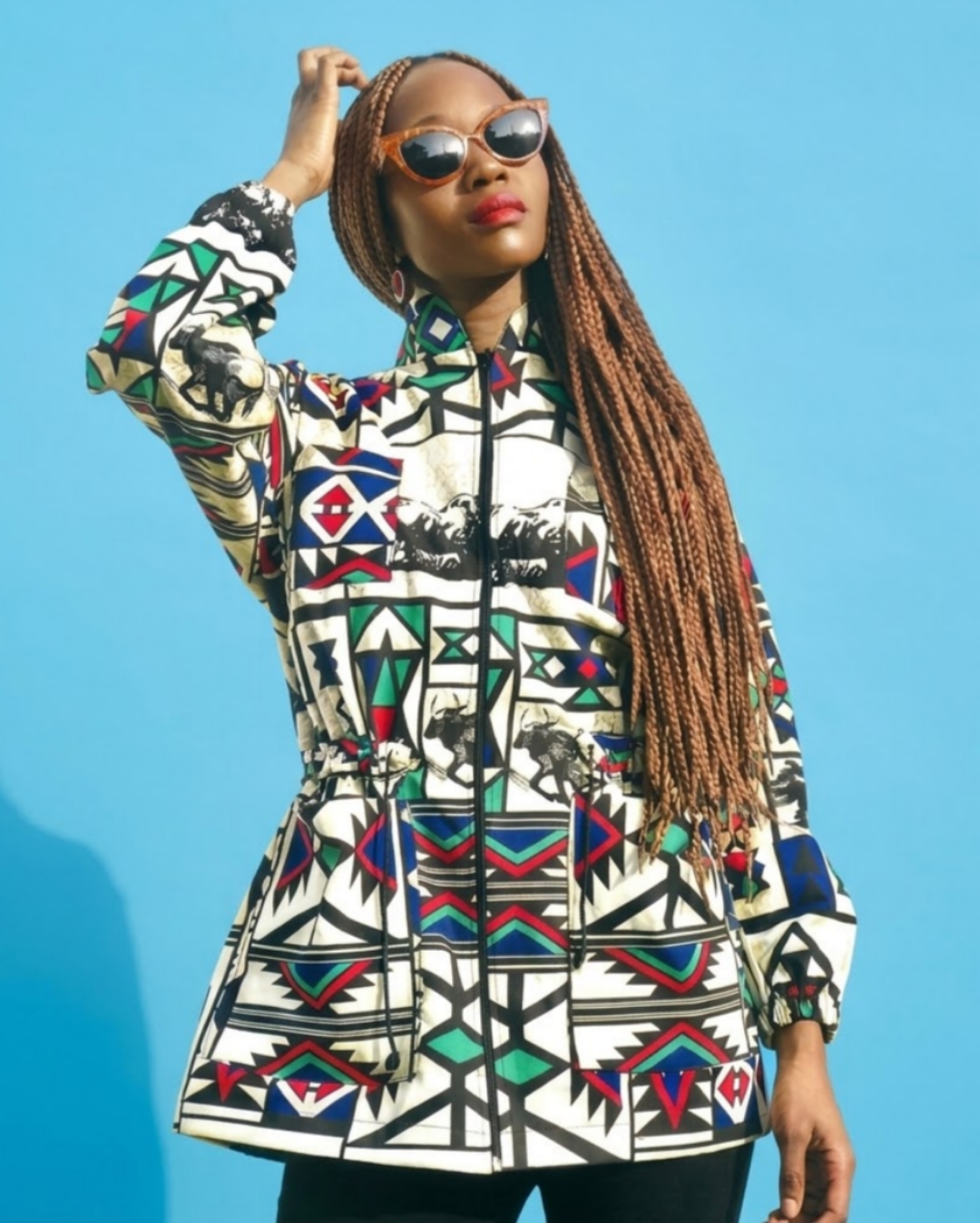
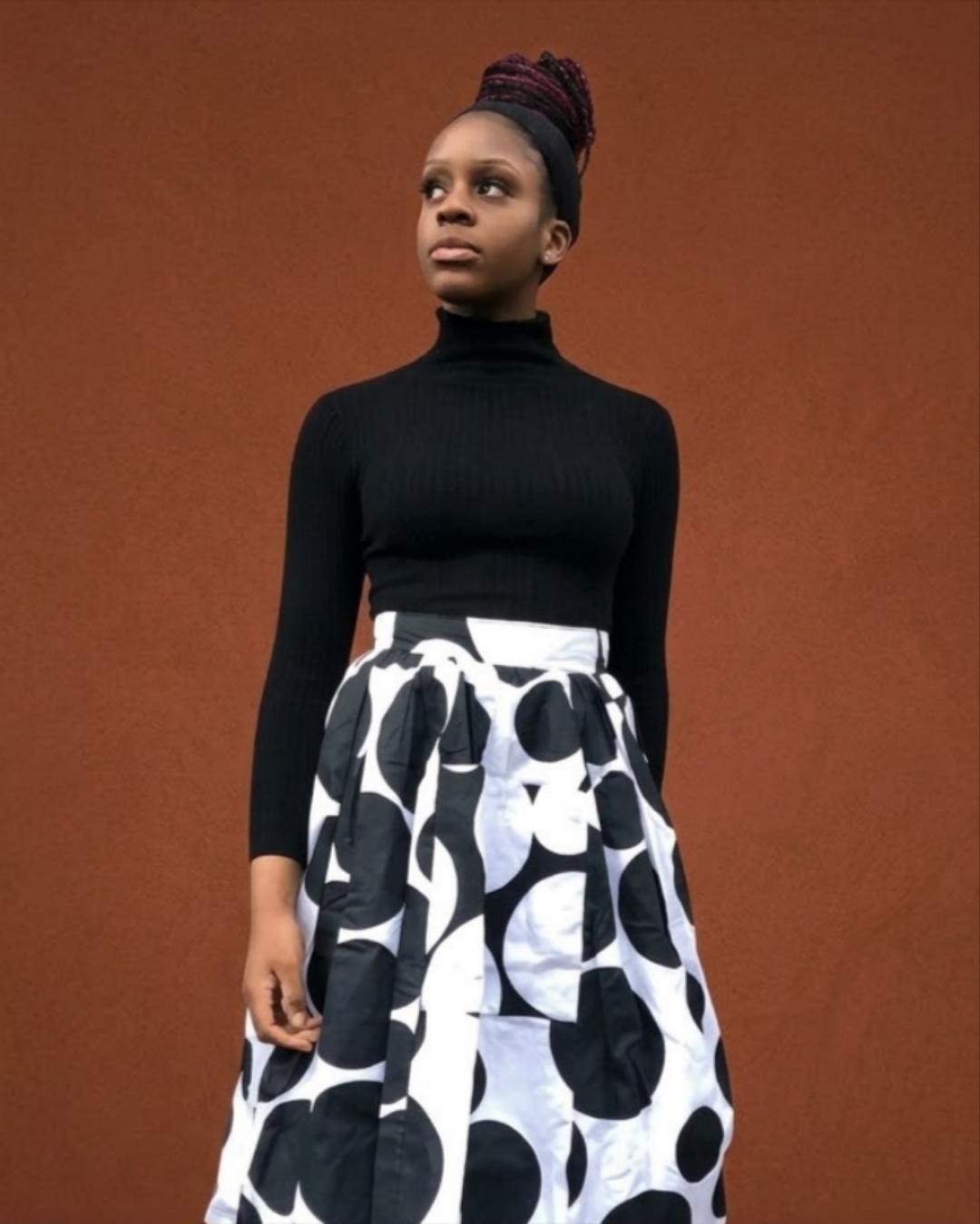
Unlike many independent designers, who showcase finished garments worn by models, influencers, socialites or celebrities at photoshoots and events, Tanya took a more rebellious, hands-on approach. She designed clothes for herself that cut through the sameness of fashion clones who follow trends. Then she photographed herself wearing them. From statement jackets, ankara print kimonos and flowing capes to unisex robes, customised jeans, hopi coats, to collaborative denim capsules hand-painted in small, deliberately unscalable runs, Mushayi creates art pieces designed to be expressive, seen, and worn. Her work challenges the idea that African fashion must exist only through traditional clothing. Instead, she presents African identity as something dynamic: futuristic, urban, graphic, bohemian, stylish and ready to wear.
In a fashion industry often driven by imitation, Tanya Nefertari’s greatest achievement may be its commitment to originality. That commitment has brought the label into the conversations of a growing community of style-conscious African creatives. It reminds people that style is not about blending in. It is about having the courage to be recognised as yourself.
AG: Your brand name evokes Zimbabwean and Egyptian cultures. What do those two cultures have in common, from your perspective?
TN: I’ve always been fascinated by the idea that what we create can tell a story about who we are and where we come from. Obviously, Zimbabwe and ancient Egypt are very different cultures and come from completely different periods. But what I find interesting is how much importance both placed on storytelling, symbolism, craftsmanship and visual identity. You see that in ancient Egypt through their clothing, jewellery, architecture and symbols, and you see it in Great Zimbabwe, traditional craftsmanship, patterns, materials and our own cultural symbols. I think that’s where Tanya Nefertari comes from for me. I’m interested in taking those historical and cultural influences and looking at them through a contemporary Zimbabwean lens. The connection is art, heritage and identity. I don’t want heritage to feel like something that belongs in the past. I want it to feel alive and relevant and something that we can continue to create with. What we wear can say something about who we are, where we come from and what we value. That’s something I try to bring into my work as well.
JP: You started out, and still continue, using social media to grow your brand. For those wanting to do the same, what’s the greatest lesson you’ve learned from this strategy?
TN: I think the biggest lesson I’ve learned is that consistency matters more than perfection. When I started, I didn’t necessarily have a big budget or all the resources I have now. So, social media and blogging gave me a way to tell people who I was, what I was creating and, importantly, why I was creating it. I realised quite early that people don’t just connect with a product; they connect with the story behind it and the person creating it.
I’ve also learned not to be afraid of showing the journey. When I started out, my photography, cutting and stitching were not perfect at all, but I still pushed. Not everything has to look perfectly polished. Sometimes sharing the process, the inspiration, the mistakes and even the behind-the-scenes can make people feel more connected to the brand when you are starting out.
And I think you have to be really patient. Social media is instant gratification. It can make you feel like one minute you’re doing well, the next you feel like you should be growing overnight. But building a genuine audience takes time. It’s been about consistently putting the brand out there, even when it looks like no one is watching.
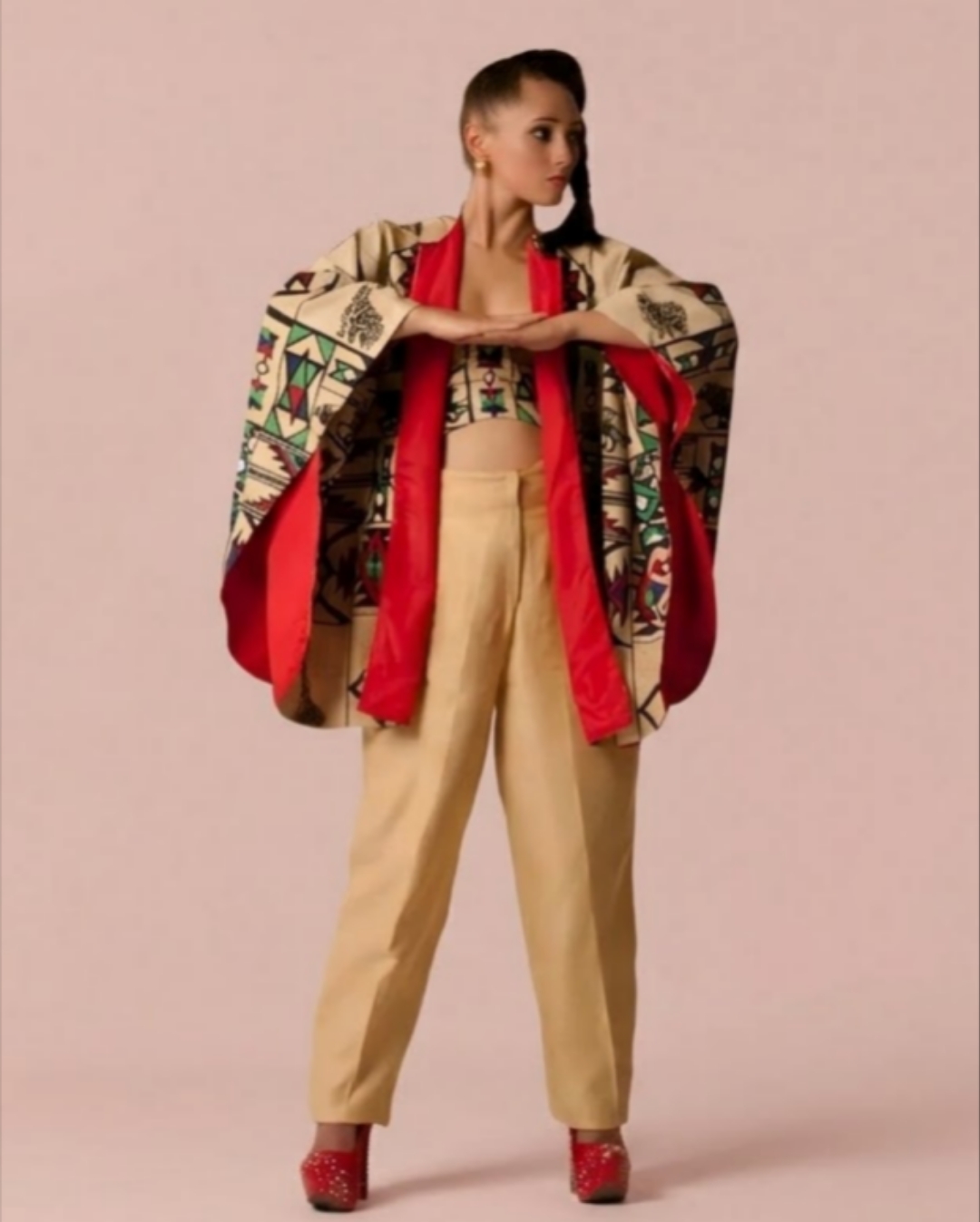
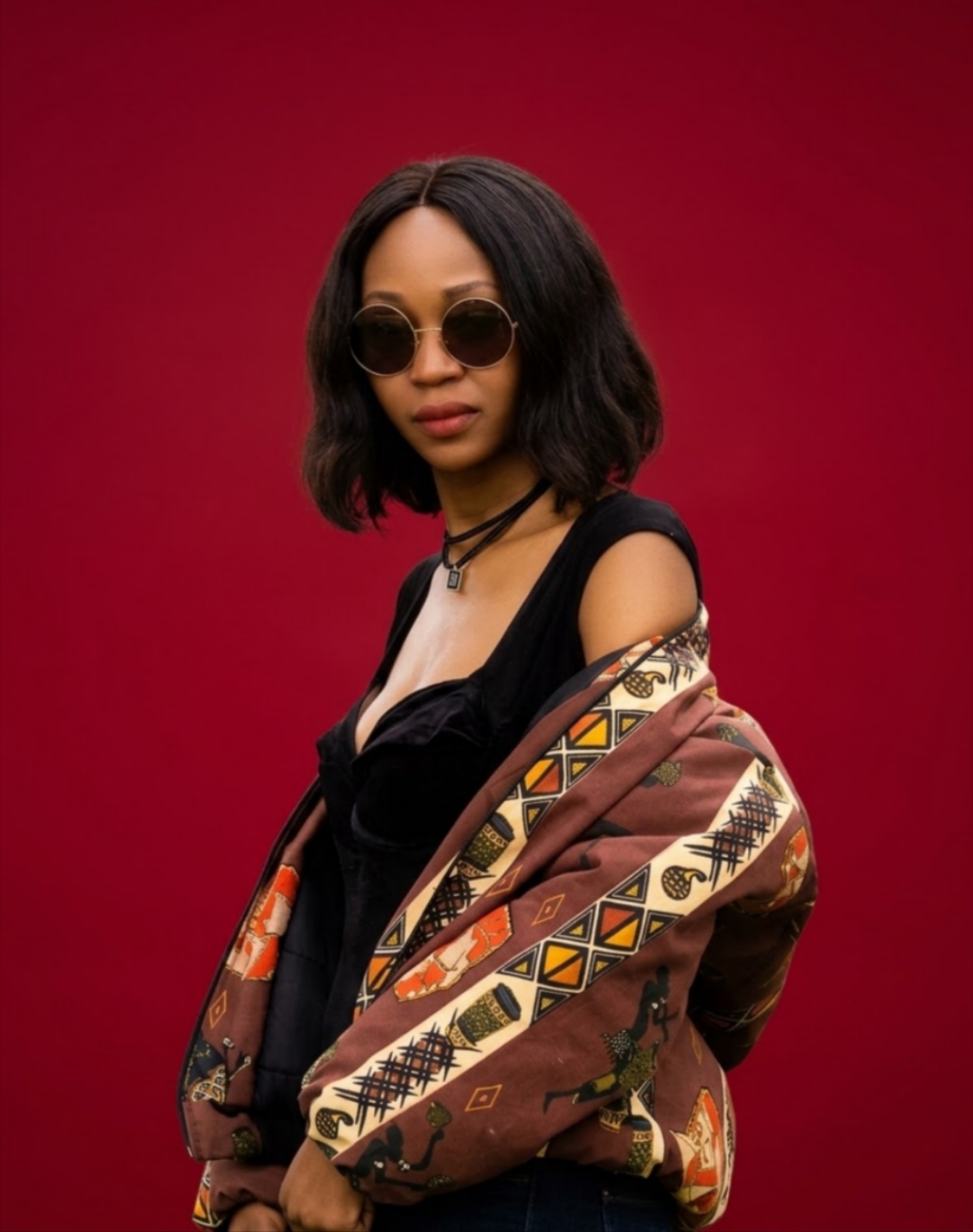
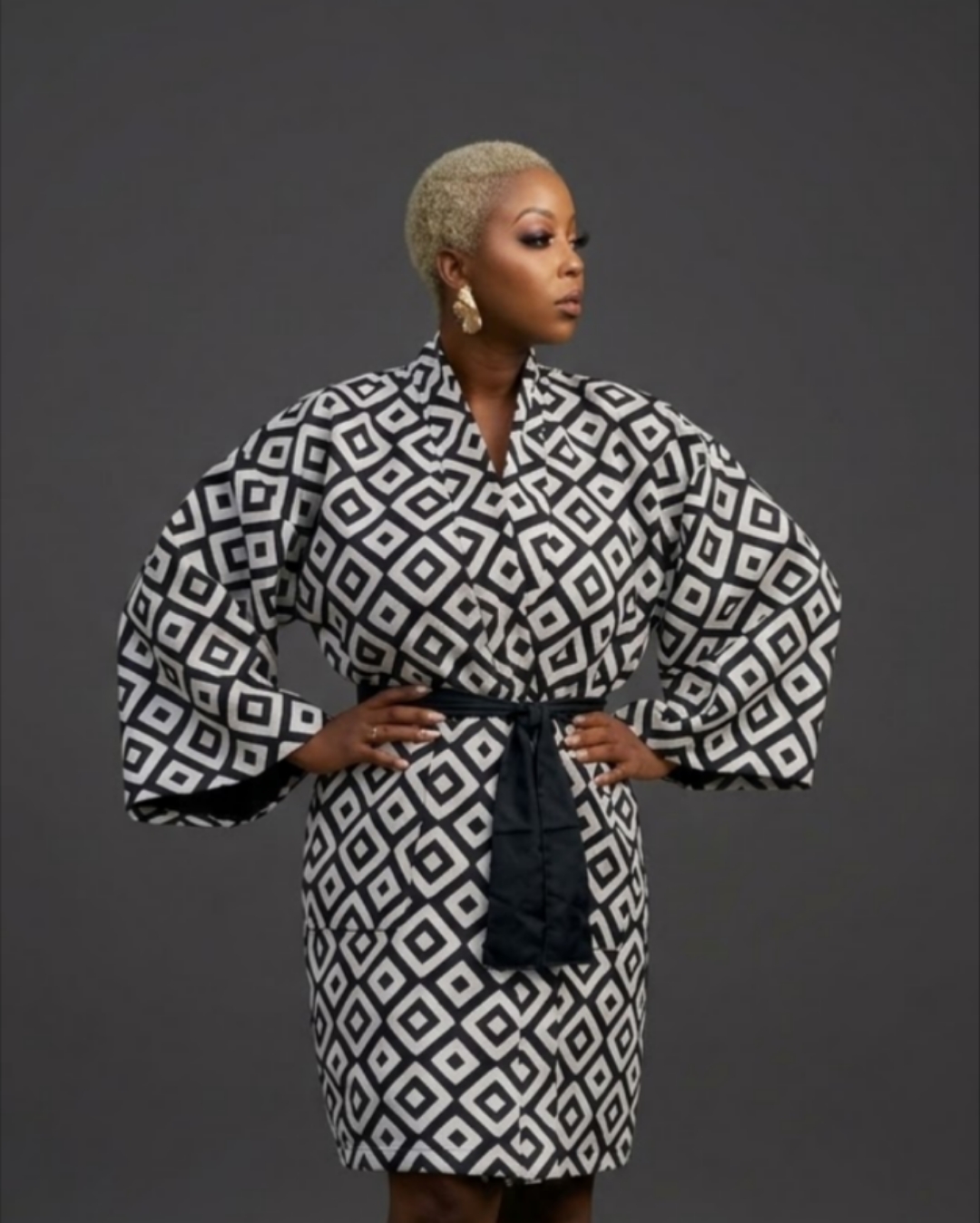
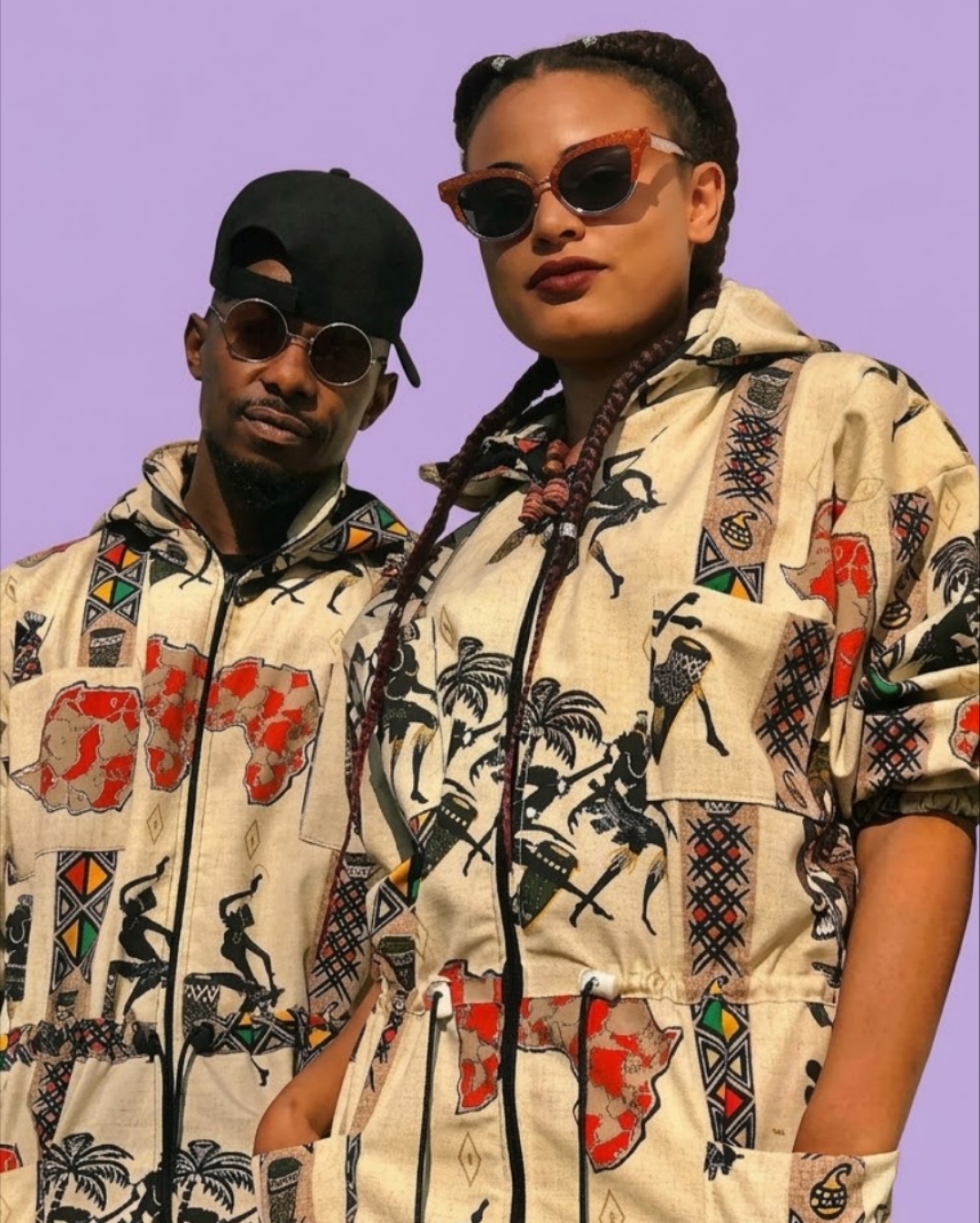
AG: I think when I started watching you, or first noticed you, was during your collaborations with Tehn Diamond. Do you have to work differently in such situations, music and fashion?
TN: You do have to work a little differently, because when you’re working with a musician, you’re not just designing clothes or your own single vision; you’re contributing to their identity and how they present themselves. And my collaborations with Tehn Diamond were really interesting in that way. Music and fashion have always had a close relationship, especially in hip hop, and what makes those collaborations work is when both artists are able to bring their own identity to the table. So, I don’t approach it as, “I’m the fashion designer and you’re the musician.” I see it more as two creative people trying to come up with something that genuinely represents both of us. I have to understand the artist, their music, their personality and the image they want to communicate, while still making sure that my own design language isn’t lost in the process. But also, hip hop has always been such an important influence on me. In any field, whether music, film or exhibitions, the best collaborations happen when something feels authentic to both creatives. That’s when the clothing starts telling the same story.
AG: I think it’s a bit easier for you because you’re one of the few local brands specialising in custom clothing, creating one-of-a-kind wearable art with handmade details. How do you feel when you make something great, but it’s a one-of-one?
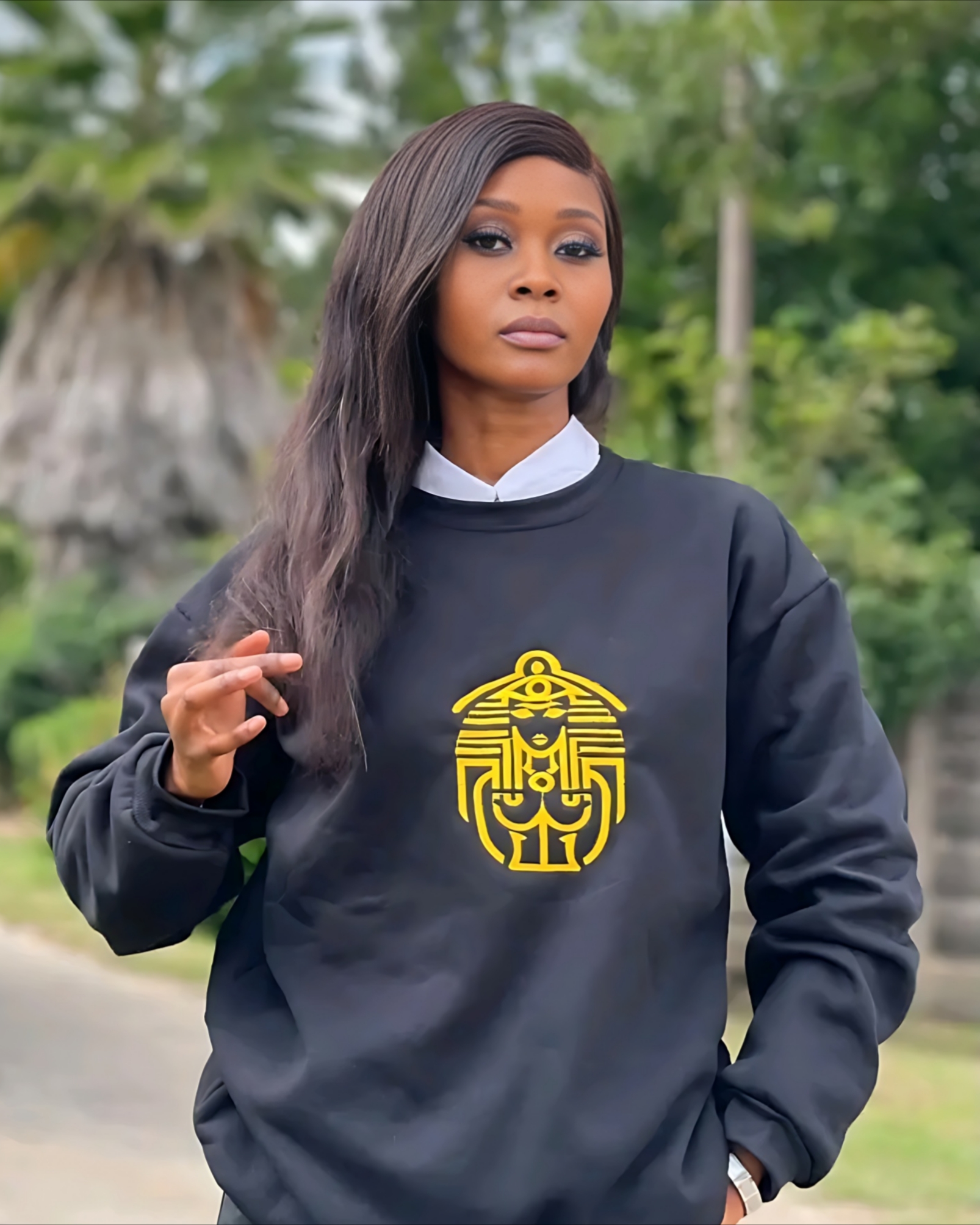
TN: There is actually something really special about that! Of course, there’s a part of me that sometimes wishes I could keep a piece, especially when I’ve put so much time and creativity into it (laughs). But at the same time, I think the fact that it’s a one-of-one is what makes it special. When I make something that can’t be recreated exactly, I see it almost like an original artwork. It has its own story, and once it leaves me and goes to the person it was made for, it becomes part of their story too. I also think that’s one of the things I love about custom clothing. I’m not trying to produce hundreds of identical pieces. I enjoy the process of creating something that exists once, for one particular person, at one particular moment. So there can be a little sadness in letting go of something I’m really proud of, but there’s also a lot of satisfaction in knowing that someone else gets to own a piece that nobody else in the world can have in exactly the same way. And for me, that’s really the beauty of wearable art. It makes it that extra special and unique.
JP: You called your clothing original artworks. What really drew you to designing?
TN: I think it comes from the different influences I’ve grown up around. Hip hop was a big influence on me. My older brother is actually a musician. I remember, when we were young, we used to hold performances at home and I’d be the one styling the shows. I’ve always seen clothing as a form of self-expression. I love the relaxed, oversized quality of streetwear because it feels comfortable and effortless, but I also love details that feel more handmade and personal. The embroidery, textures and almost bohemian elements bring in that sense of craft. I like putting things together that maybe wouldn’t traditionally be put together. For me, it’s less about fitting into one particular aesthetic and more about creating something that feels like me. I think that’s probably where the “cosy chic” description comes from. There’s a relaxedness to it, but I still want the piece to feel considered and special.
AG: “Cosy chic” is definitely different from “a fashion clone.”
TN: (laughs) For me, “a fashion clone” is when we’re all starting to look the same because we’re following exactly the same trends, buying the same things and taking inspiration from the same places (the internet algorithm made us like the same things, to be honest) without really putting our own identity into it. I don’t think there’s anything wrong with being inspired by trends. Fashion has always been about influence and reinterpretation. The problem for me is when individuality gets lost. That’s really what I mean when I said “a world ruled by fashion clones” in the quote you are pointing out. I’m interested in encouraging people to ask, “What actually feels like me?” “Would I like this if the algorithm didn’t tell me to like it?” rather than just, “What is everyone else wearing?” That’s also why custom clothing is so important to me. It gives you the opportunity to create something that reflects your personality rather than simply reproducing what’s already everywhere.
JP: Part of your staple, though, are African prints. What is it about African prints in your design process?
TN: I think it’s the combination of colour, pattern and storytelling. African prints can be incredibly bold, but there’s usually a rhythm to them as well. So, even though the pattern repeats, it doesn’t necessarily feel boring. I also think we sometimes forget how powerful repetition can be. Repetition is part of so many African art forms, including textiles, basketry, architecture and beadwork, and it creates a visual language of its own. But what I truly love about African prints is that you can recognise the influence immediately, but you can also reinterpret it. You can take something familiar and change the scale, the colour, the placement or combine it with completely different imagery. That’s what interests me: seeing what else they can become.
JP: Talking about recognisable African forms, why do you think Zimbabwe’s fashion industry hasn’t moved forward with a national dress?
TN: Hmm. I think there are probably a few reasons, but one of the biggest is that we haven’t really had enough conversation and collaboration around what a Zimbabwean visual identity in fashion should actually look like. We have so much to work with. The Zimbabwe Bird, Great Zimbabwe, Karanga chevron patterns, Ndebele patterns, basket weaving, our different traditional dress and crafts: there’s an incredible amount of visual history there. But turning that into something contemporary requires research, investment and, importantly, collaboration between designers, historians, craftspeople, manufacturers and the wider public. But I have to make this clear. I don’t think a national dress necessarily has to mean one particular outfit that everyone wears. It could be more about developing a recognisable Zimbabwean design language that can be interpreted in different ways for different generations.
AG: Since we’re on that subject of local development, if you could build one piece of fashion infrastructure tomorrow, what would it be?
TN: No question, it would probably be to build a strong local textile and manufacturing hub. A lot of designers have ideas, but getting those ideas into production can be incredibly difficult. You can struggle to source the right fabrics, find consistent manufacturing, get small quantities produced or even find the right people to do specialised finishing. If we had a reliable system where designers could access quality fabrics, pattern cutters, machinists, printers, embroidery, dyeing and small-scale manufacturing in one ecosystem, I think it would make a huge difference. It wouldn’t just help established designers. It could create opportunities for young people who want to learn these skills and for small brands that aren’t ready to invest in their own factories.
JP: Let’s end it off with your own personal development. What’s the most rewarding part of running Tanya Nefertari for over a decade?
TN: Honestly, I think it’s seeing something that started as an idea become something that has a life of its own. When I started Tanya Nefertari, I was practically a baby, experimenting, creating and trying to find my own voice as a designer. To still be here more than ten years later, still learning, still creating and still finding new ways to express the brand is something I’m really, really proud of.
The other rewarding part is seeing people connect with the clothes. When someone wears something I’ve made and you can see that they feel confident or that the piece genuinely means something to them, that’s a really good feeling. And running a business in Zimbabwe definitely teaches you resilience. There have been difficult periods, but they’ve also forced me to become more resourceful and adaptable. So I think the biggest reward is knowing that I’ve managed to build something that has survived, evolved and still feels authentically Tanya as I’ve grown as a person too.
Tanya Nefertari represents a generation of African designers who are not simply adapting to global fashion conversations but creating their own. Through bold prints, customisation, gender-neutral silhouettes and a deep connection to Africanness, she is connecting with consumers who value authenticity and independence. Her journey demonstrates how African designers can create a conversation between ancient symbolism and modern self-expression, transforming personal stories into global creative languages. And in a world seemingly stuck in a pleasure-centred feedback loop, Tanya Nefertari is not simply a clothing label. It is a statement about confidence that is allergic to trends and conformity.
Follow Tanya @tanyanefertari

