How business logic became the new frontier for African creative sovereignty.
Words by Alex Gwaze (Curator)
Questions by Alex Gwaze and Terry-Jo Thorne (Researcher)
Africa has never suffered from a lack of talent. Rather, it’s crippled by a deficiency of systems — the structural scaffolding that allows attention to be converted into a durable legacy. The problem isn’t imagination, skill, or even education; it’s capital. And I’m talking real, persistent, fungible money. Not the occasional paycheck, the grant, or the pity donation, but sustained monetisation, institutional recognition, and cultural accreditation.We have all seen what that looks like elsewhere: the seamless integration of management, brand equity, royalties — this, that, and the third. In many African contexts, that infrastructure remains fragmented or just flat-out absent. It is within this vacuum that brand strategist and entrepreneurship specialist Anesu-Tendesai Chikumba begins her work. But first, to understand her work, we must first understand the “lay of the land.”
Across the Continent, there is an unexamined hierarchy in African creativity. At the summit are the “Visible” — the artists whose names and work circulate through the digital ether and attract global mentions. Beneath them sit the invisible architects: the string-pullers making personal sacrifices to build the infrastructure that facilitates who gets seen, who gets paid, and, crucially, who lasts. Anesu inhabits this second layer, and that is precisely what makes her “dangerous” in the best way possible. As the founder of Unpublished Africa, she’s built a platform that amplifies African storytellers. At first glance, the organisation looks like the usual creative community-building: hosting exhibitions, workshops, and facilitating collaborations, particularly among photographers. However, its directive is far more interventionist. The name itself — Unpublished — is both a critique and an agenda. It refers to the vast wealth of work not yet formally available to the public. The keywords here are formal and public. Think of the distinction as binary: if it is not formalised, it is not profitable to “publish.”
Anesu isn’t just offering exposure; she is translating the cold logic of commerce into a creative dialect — and it’s paying off. Having supported creatives in over 25 African countries, her impact is continental. She has displayed an almost surgical ability to diagnose the structural shortfalls of local industries and supplement them with access to functioning regional systems. As a Mandela Washington YALI Fellow with a Bachelor’s in Commerce from the University of Cape Town, and a Digital Marketing qualification from Red & Yellow Creative School of Business, this pan-African strategy was probably learnt. That aside, what sets her apart is her decision to use photography as the main vehicle to implement her strategy.

We don’t talk about it openly, but we are a generation of free digital archivists. Our devices’ memories are burdened with unreleased music, images, and manuscripts — taking up space. And those creatives who do put their work online remain tethered to the superficial metrics of exposure and follower counts, neglecting the “boring” formalities of what comes after creation. Unpublished Africa focuses on these overlooked mechanisms: contractual literacy, pricing models, and digital marketing strategy. Essentially, they show you how to at least feed yourself from all this attention you’re seeking. In an era of visual saturation, where images circulate with deceptive ease, this is particularly instructive.
Beneath the surface of a vibrant “New Africa” on Instagram and TikTok lie starving content creators hustling without the safety net of a financial framework. Visibility becomes a goal that rarely converts to hard currency. Anesu’s work targets this self-inflicted disservice — specifically the persistent, romantic myth that creativity and commerce are natural enemies. Her work demonstrates their symbiosis: without structure, creativity is fragile; without creativity, structure is hollow. Effectively, she’s showing us how to make the vast amounts of visual data we’ve supplied to the world for free, finally work for us. Not as “content,” but as cultural capital.
TJ: You went from studying Commerce to Marketing. What inspired such a shift?
AC: It was less of a shift and more of a continuation. Commerce helped me understand how systems work, how value is created, structured, and sustained. Digital Marketing then gave me tools to distribute work and reach audiences in a more intentional way. Both areas feed directly into building the systems that we use to support creatives. That is ensuring that their work is visible and positioned in the right spaces.
AG: Being a YALI Mandela Washington Fellow must have also positioned you to identify the opportunities and networks in Africa.
AC: YALI definitely helped me see how similar the challenges are across different countries. There is a lot of talent, but limited access to opportunities, visibility, and structured growth. What connects us is that shared reality: many creatives are trying to move from passion into sustainable work without clear pathways. That is why our work is Pan-African. Africa is not monolithic, but we are working within similar conditions, and there is value in building across those contexts. Some people have overcome challenges that others are still navigating, which allows us to learn from each other in practical ways.
AG: A picture is worth a thousand words. Probably the best way to show, not talk about, your Pan-African approach. Is that why you chose to amplify African voices through photography?
AC: There are many creatives across the continent who do not have accessible pathways into the industry, especially at the early stages. Photographers are often underserved in that regard. So we — by we I mean Unpublished Africa — we use photography as an entry point and a lens into the wider ecosystem. Our work focuses on what happens after the image is created, particularly around publishing. We look at how work is shown, who sees it, and what opportunities come from that visibility. It’s a collaboration with photographers. We support them with exhibitions, publications, and platforms that help them move forward in their careers. We are intentional about this. From encouraging storytelling that maintains dignity to bringing forward stories that are often not seen in mainstream spaces. This is what we do.
TJ: Take us behind the scenes. How do you decide which photographers to showcase?
AC: I am personally involved in curation, but we also have alumni in the process and we work with collaborators when needed. It is less about selecting the “best” work and more about alignment with our mandate. Let me explain this. Our mandate — or shall I say our guidelines — are quite clear. We are conscious of ethical storytelling. We do not publish work that reinforces negative stereotypes of Africa, we are mindful of context, and consent is a key requirement, including model releases where needed. We also prefer work that is aligned with the Sustainable Development Goals outlined by the UN. We encourage anyone who wants to work with us to understand that. This helps photographers see that their work is not only creative output, but something that carries narrative power and can contribute to broader conversations. That is why we exist.
AG: I’ve noticed you collaborate with partners across different countries and institutions. How do you stay on the same page?
AC: That also feeds into our mandate. From day one we emphasise collaboration rather than just showcasing. Exhibitions are points of entry into the creative economy and serve as professional milestones. But our focus is on the longer game — sustained career growth and consistent practice, not just one moment of visibility. That’s where collaboration is vital. It helps by adding value to our partnerships and networks. We are all working with the goal of supporting each other’s work and communities in meaningful ways. Much of what we do is built through real people on the ground, helping us stay relevant to local contexts while working toward a shared global direction. These local partners need ongoing support as they are key to sustaining impact over time, and building better pathways for the future.
AG: Talking about partners on the ground — you have built a strong community through the photo walks. Why walking?
AC: Who doesn’t like to take a walk with like-minded people? (laughs) A walk is a simple entry point because it allows people to participate without barriers. The walks help participants connect, share work, and see themselves as part of a wider creative community. Over time, that develops into something more. We have seen people move from attending walks to exhibiting, leading, and taking on new opportunities. Some photographers even build a portfolio, which becomes useful when applying for exhibitions or calls for submissions. They are a simple mechanism for momentum, growth, and community-based development.
TJ: You also organise your own exhibitions. What was a highlight from an exhibition that stayed with you?
AC: I’d Be Empowered If, held in Nairobi, Kenya in March 2026 and hosted by Baraza Media Lab, comes to mind. Three photographers exhibited their work for the first time, which is always significant. The exhibition was co-curated by Namukolo Siyumbwa, our Lusaka Lead, and Jorge Dachala, our Nairobi Lead — both alumni of our programme. Seeing them build a platform similar to what they experienced themselves is an important part of how we think about continuity and growth. It made me feel proud. Two of the first-time exhibitors also participated in a Creative Conversation, sharing insights on their work, careers, and first exhibition experience. Exhibitions create visibility, and that visibility often leads to commissions, collaborations, and future platforms. Seeing that impact continue long after the event itself is why we do what we do.
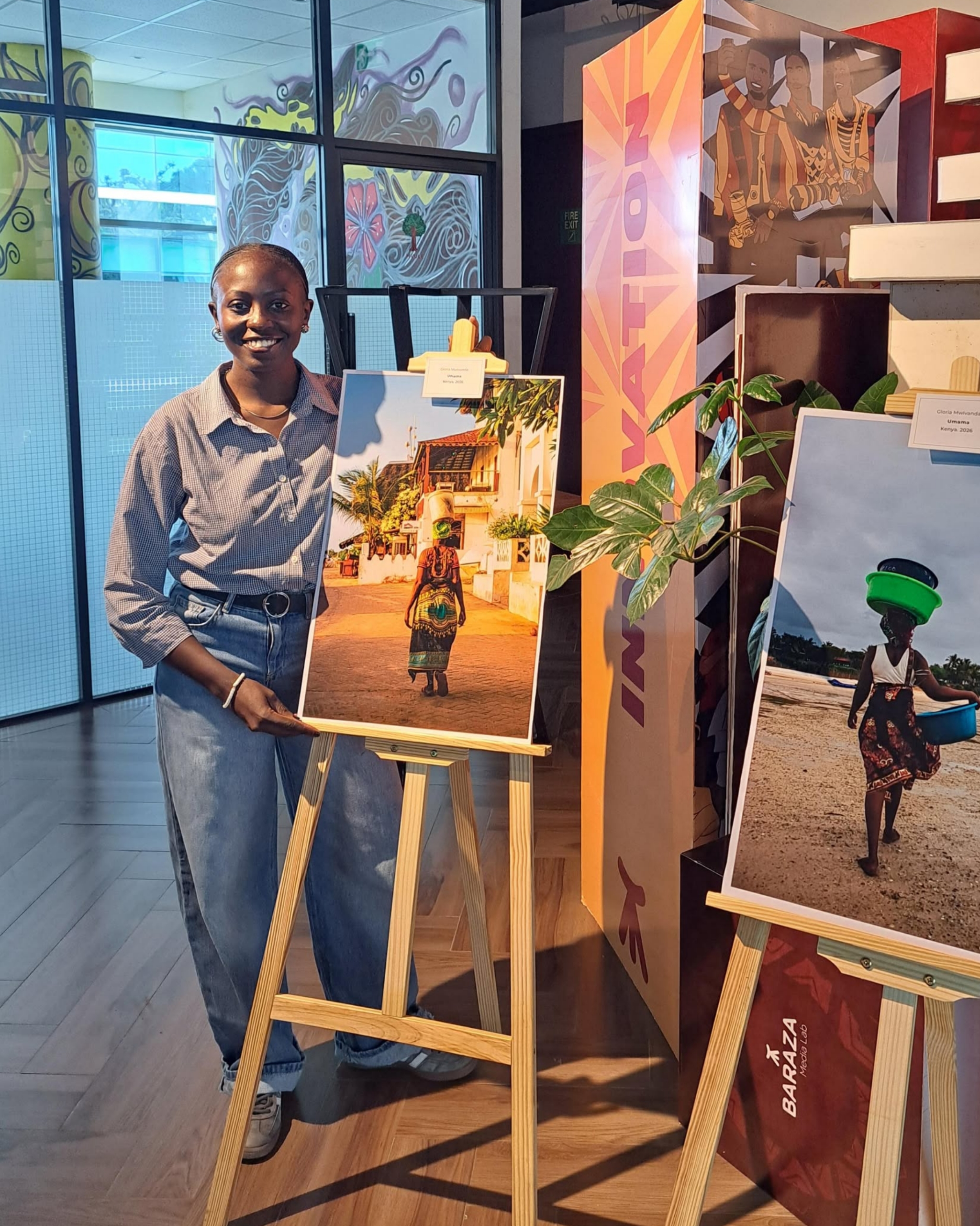
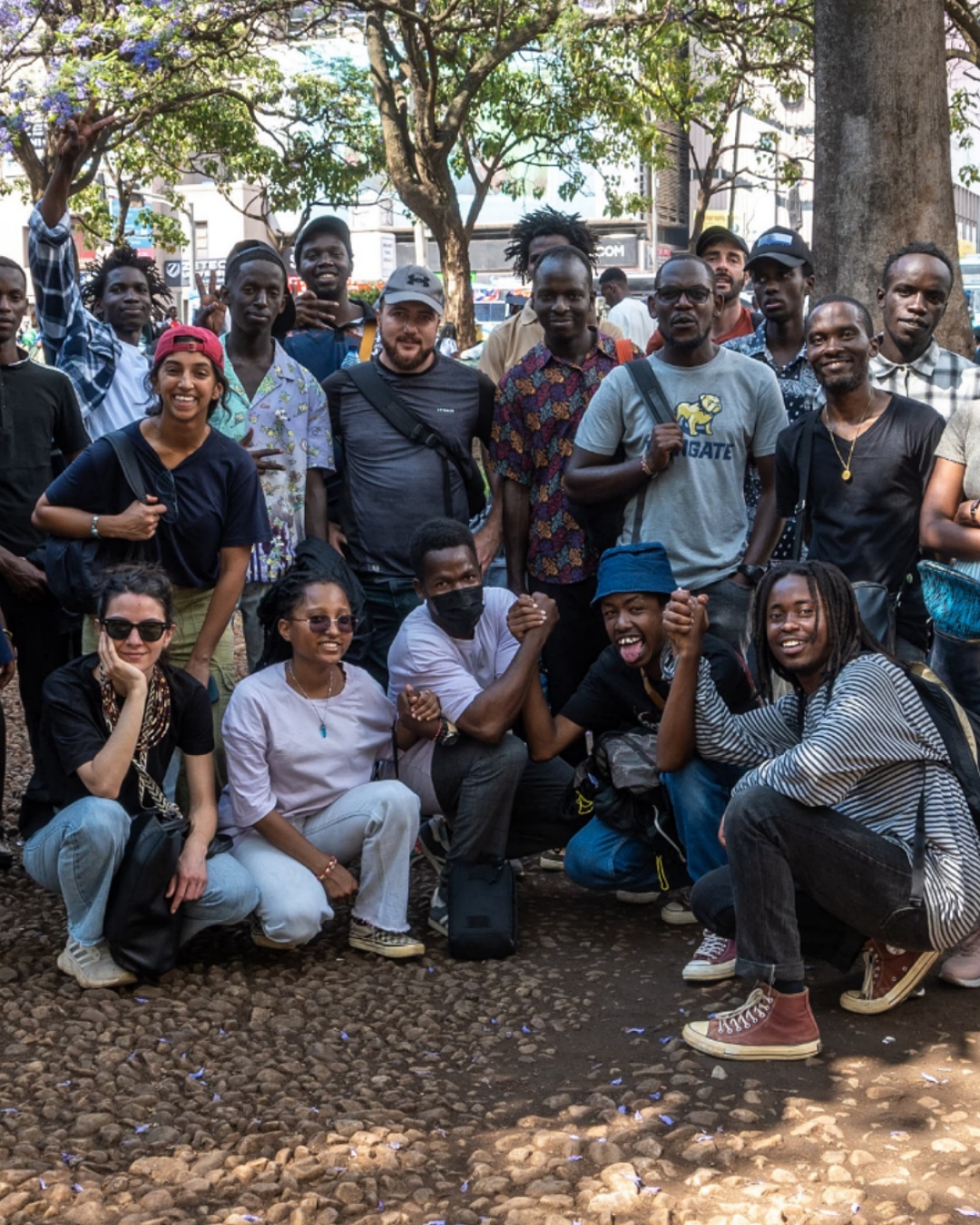
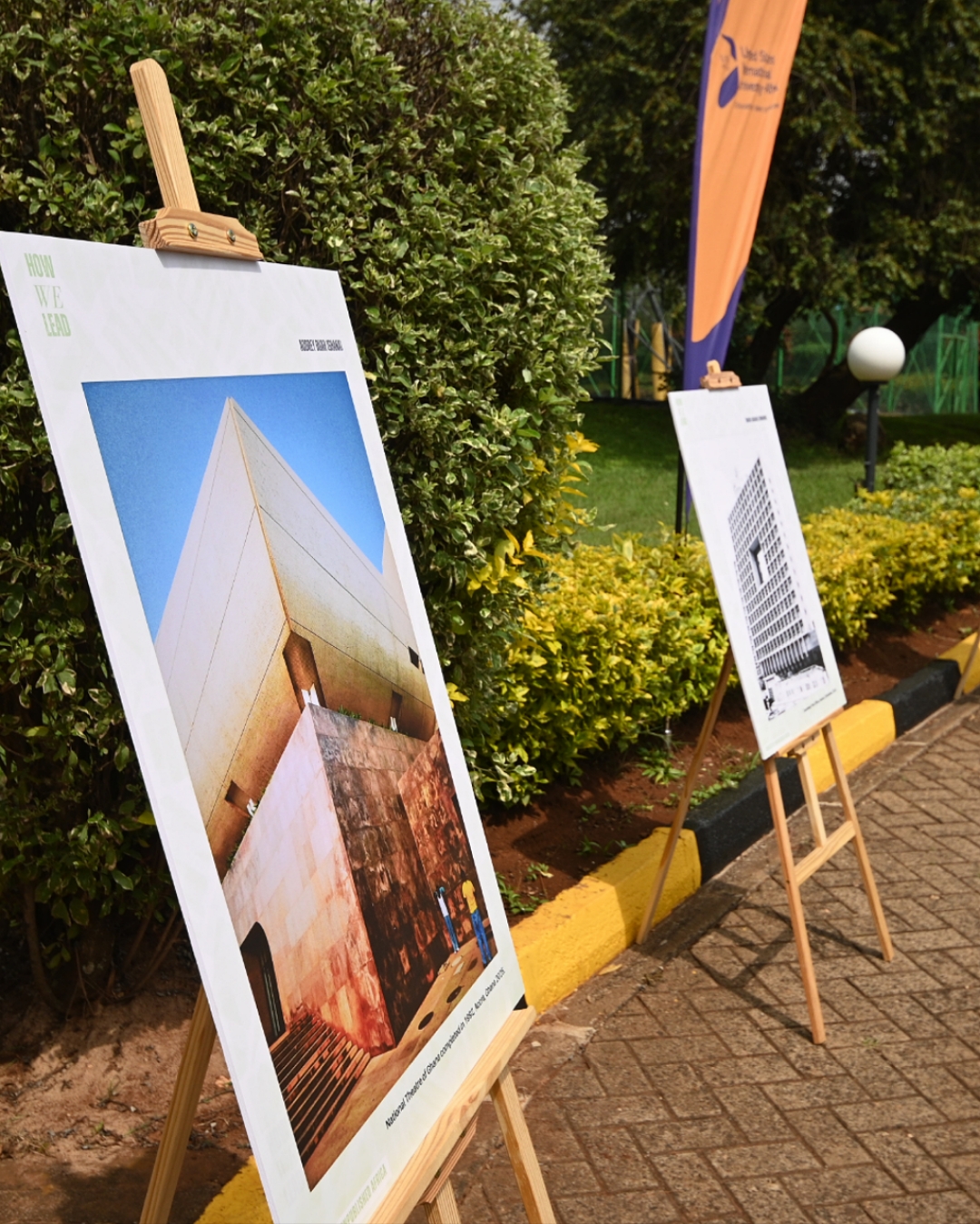
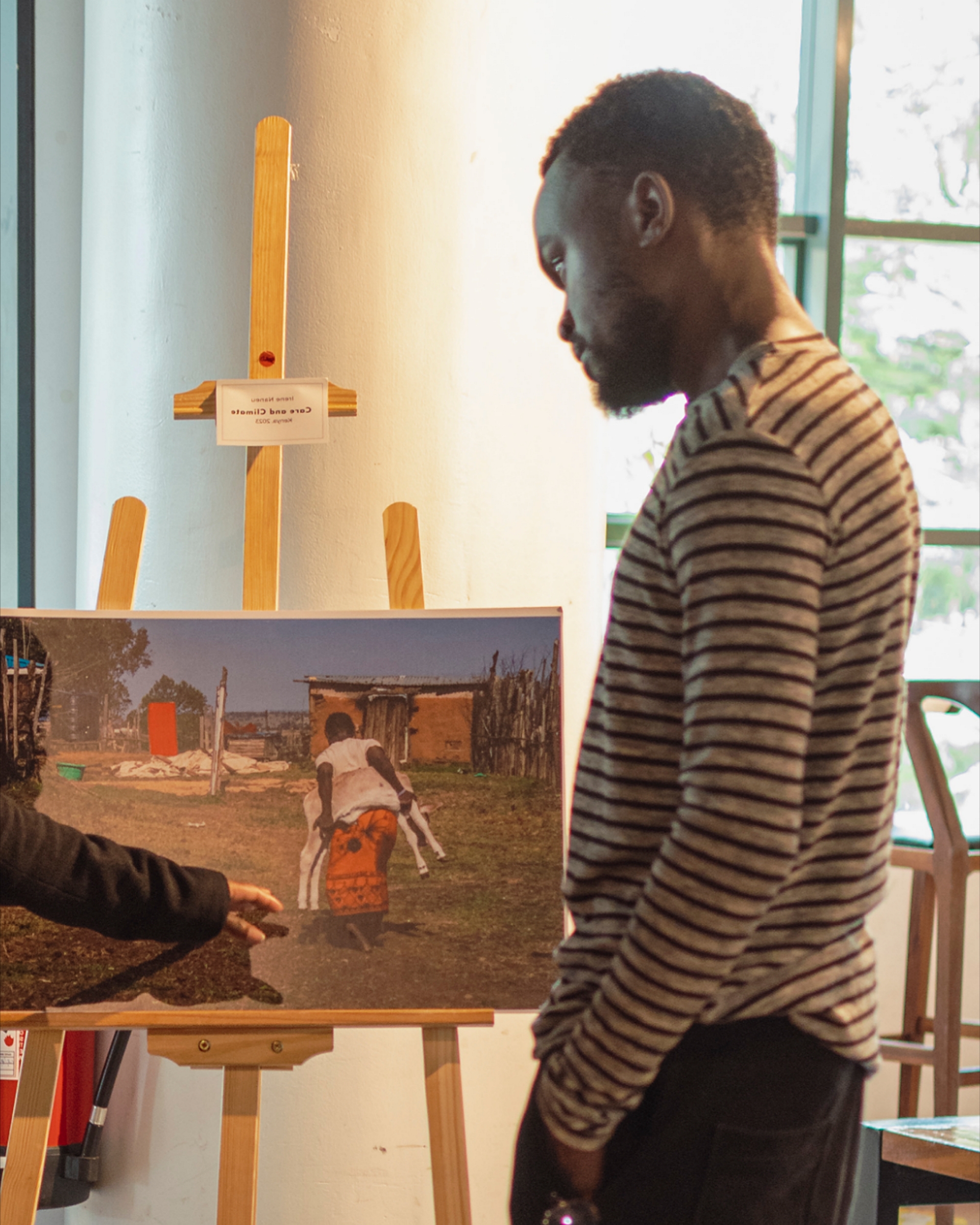
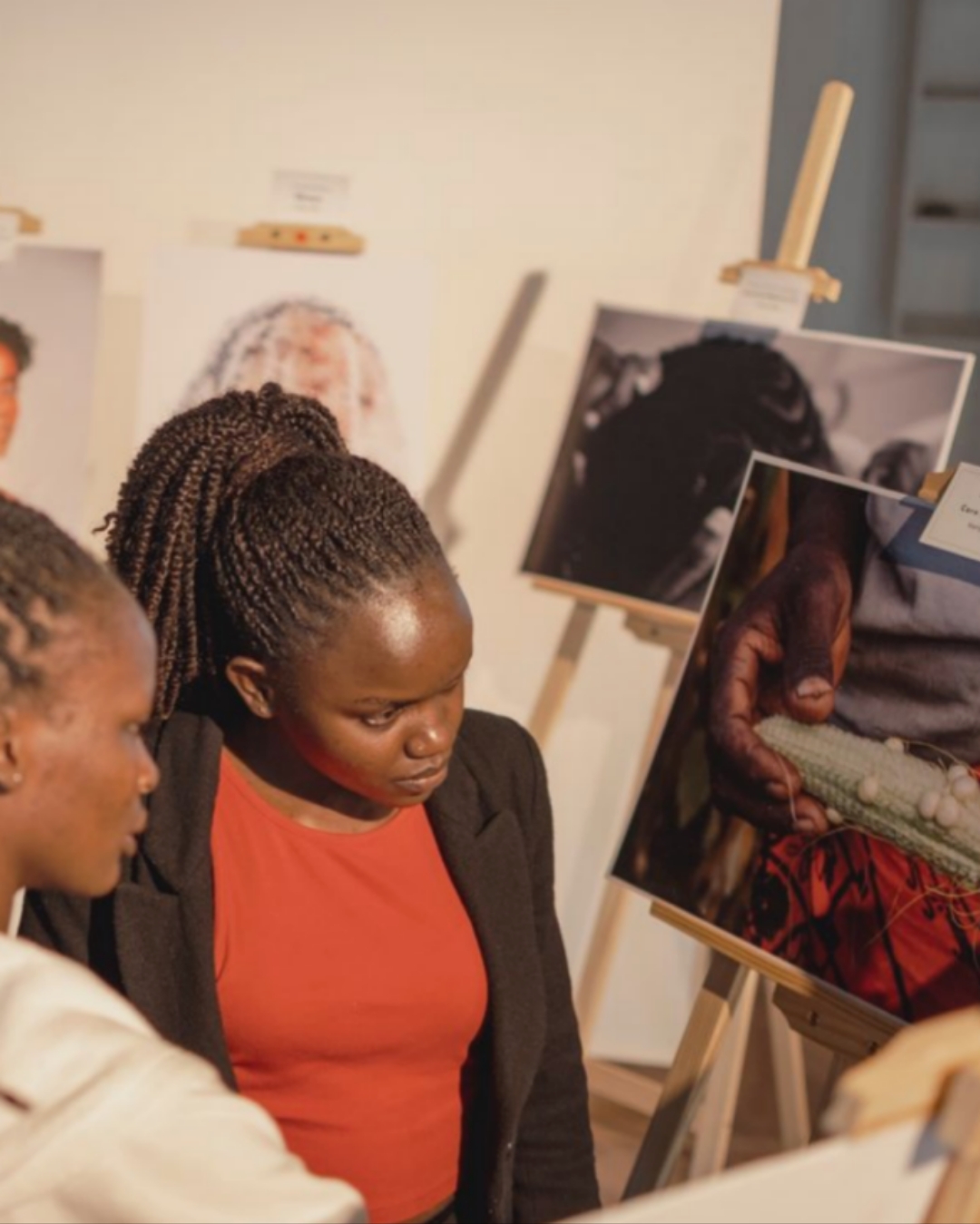
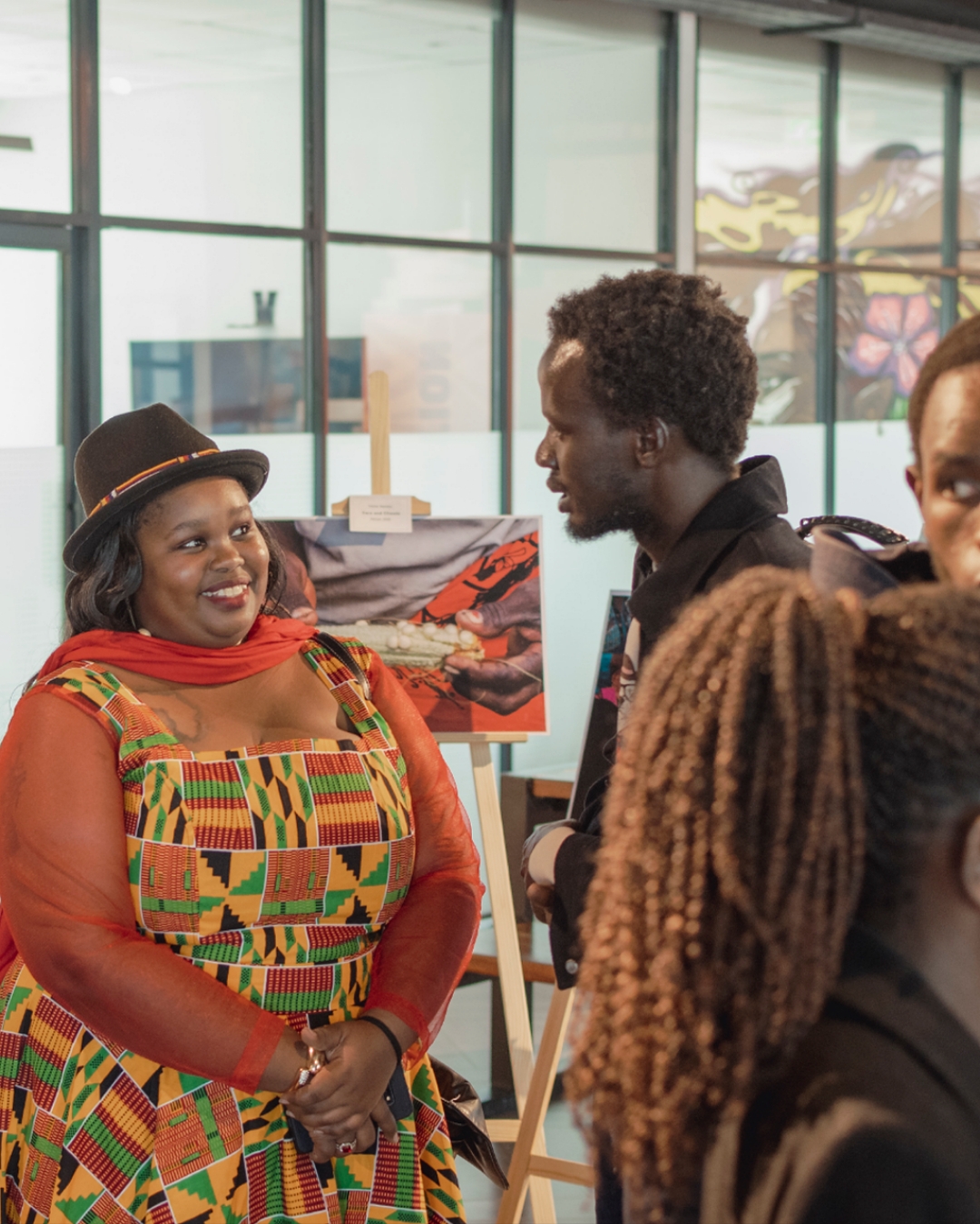
AG: That part about commissions caught my attention. Can you share a free tip on how creatives can start making money from their work?
AC: There is nothing that is truly free (laughs) but I will share something with you. Being part of a community is one of the most practical starting points. Being around other creatives allows you to learn what others are doing, think differently, and access opportunities that arise within networks — from second shooting to behind-the-scenes work or small commissions. Building an audience around your niche is also important, but starting in isolation is difficult. You have to start thinking about all your work as a business. It becomes a community in itself when you continue to collaborate and support each other. In so many cases our alumni go on to build their own communities.
TJ: With the rise of AI, so many people are doing alone all that work that used to support communities. What are your thoughts on it?
AC: AI can support efficiency across editing, research, and distribution, which allows creatives to spend more time on thinking, storytelling, and direction. It handles repetitive tasks, giving more space for intentional creative work — being clearer about what you want to be known for. It is important to maintain your core creative strengths and vision so that reliance on AI does not slow or dilute your practice. Also, many creatives work independently, so tools like this can help manage different parts of the process. The value of AI will increasingly come from perspective and intent, not just output. Using these tools while maintaining a strong creative voice is important.
AG: Finally, beyond AI — let’s keep it local. What challenges have you identified for Zimbabwean creators, and how can they be addressed?
AC: That’s a big question for the last question. Let me focus on one challenge. There is a lot of talent, but growth is limited by weak structures that do not align with how creatives work. Many operate as gig workers, moving between projects while balancing unrelated work to sustain themselves. This reduces time for craft development, which affects long-term skill growth. Addressing this requires building stronger connections between creatives, institutions, and the private sector, as well as continued support for existing platforms so they can continue creating opportunities. Sustained creative careers are built over time and require consistent access, not one-off moments.
The figure of the struggling artist is a persuasive myth. It privileges visibility without accounting for what comes after — keeping creatives suspended in the dream of discovery rather than the architecture of sustainability. In Africa, this idea is more than outdated. It is a structural liability. Because the creative infrastructure remains unevenly industrialised, most artists absorb the cost of producing industry-standard work with no corresponding return. The dream, in other words, is not free, it’s expensive. Chikumba represents a different logic: the slow, deliberate construction of a future where visibility is a vehicle, not a destination. Where every image captured over a Nairobi or Harare skyline is backed by the contractual and commercial literacy to make it count. This is not a correction to the creative industry — it is a maturation of it. The image of African poverty has long served someone else’s archive. The generation that understands cultural production as an economic act is not waiting to be discovered. It is already building.
Follow Unpublished Africa @unpublished.africa

