The fatigue surrounding Zimbabweans too often reduces its people and culture to political infamy.
Words by Alex Gwaze (Curator)
Questions by Terry-Jo Thorne (Researcher & Writer) and Alex Gwaze
Zimbabwe is a country that vibrates with the tension of politics and possibility. Its values, beliefs, and responses to postcolonial challenges have become either lessons or cautionary tales for other Africans — depending on who is telling the story and for what purpose. It is within this unsettled undercurrent of history, power, trauma, propaganda, and hope — and within a global publishing landscape still hungry for African voices — that writer Simbarashe Steyn Kundizeza crafted his Island Prize–winning debut novel, Freelance.
Freelance is a political thriller that offers readers a nuanced window into Zimbabwe — not as a place flattened by headlines or trapped in clichés, but as a country filled with real, complex people making difficult choices under extraordinary pressure. Zimbabwe’s postcolonial reality has produced a set of relentless contradictions: a near-constant oscillation between living and surviving that has no equivalent elsewhere. For readers fascinated by Zimbabwe’s history and politics, the novel provides an insider’s vantage point rooted in lived experience rather than mediated through news commentary. For those experiencing it at ground level, Simba’s voice emerges as that of a community member, social critic, and survivor whose presence — quiet yet decisive — speaks for a generation determined to rebuild home.
But Simba did not simply appear on the literary scene. Before the acclaim of Freelance, he had been sharpening his craft through short fiction. His story A Way Out was a finalist in the Africa Book Club Short Story Competition, and his other works — The Whistleblower and The Blue Fighter — have appeared in various publications. He was also selected for the LOATAD Black Atlantic Residency and serves as an associate editor for AfricanWriter.com, a platform that has showcased contemporary African voices across genres for more than two decades. This exposure shapes him in distinct ways: he is unmistakably local, yet his work resists sentimentality. Instead, it is deeply attuned to the global narratives that often oversimplify Zimbabwe’s complexity — and to the unrealised potential of the nation itself.
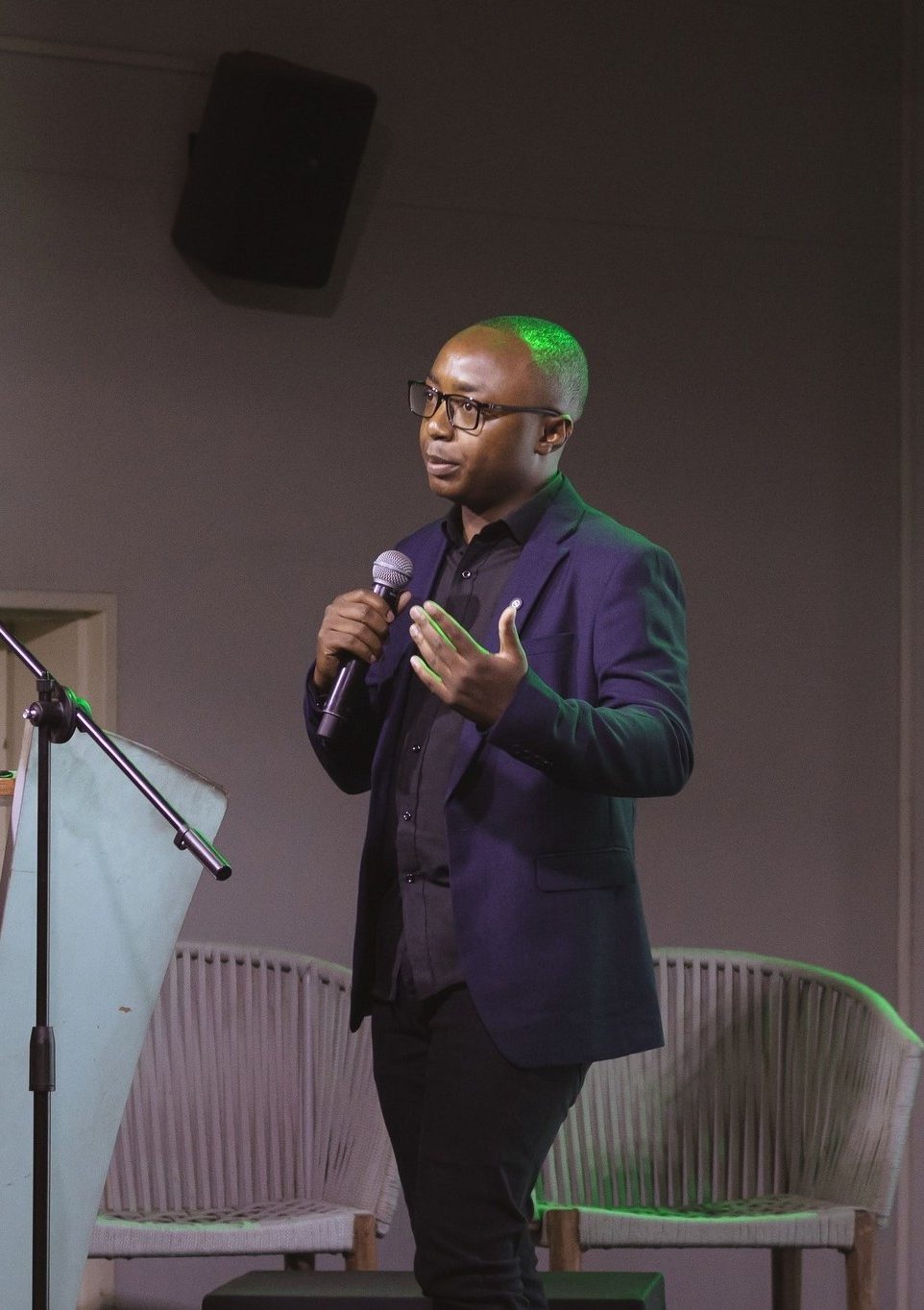
If his earlier work is any indication, he will continue to carry forward his unflinching moral imagination while challenging himself structurally: weaving more intricate plots, engaging international networks of power, and crafting characters confronted with the cost of truth. Winning the Island Prize at this stage of his career might seem like a milestone for many — but for him, it feels more like a launchpad than a destination. Kundizeza seems poised to continue exploring the shifting power dynamics on the African continent in our times — a task that demands a sharp, grounded critique of neocolonial influence in an age of wars, pandemics, resource races, and cancel culture.
TJ: You have a full-time job in insurance, yet you write in your spare time. The romantic image of the writer at work. How do you approach writing? Do you follow something like Stephen King’s strict daily word goal of, say, 2,000 words?
SK: My writing life has never been glamorous or romantic. There’s no cottage in the woods, no oak desk, no pipe smoke curling in the air (laughs). Because I juggle a full-time job and a full-time family, I’ve learned to utilise small pockets of time: early mornings, lunch breaks, late evenings. I write the way some people go to the gym; whenever I can squeeze it in, even when I’m exhausted, even when it feels like I’m making microscopic progress. I admire Stephen King’s 2,000-word routine, but I don’t follow anything that regimented. I don’t obsess over word counts anymore. I focus on momentum and quality. If I land a paragraph that feels honest, that’s a good day. If I get a page or more, that’s a great one. Some weeks I’m drafting every day; other weeks I’m editing, rethinking, or letting a story percolate quietly in the back of my mind.
AG: How about when writer’s block hits and you are sitting there with a blank page?
SK: (laughs) For me, when that happens it’s almost always an idea — something that bothers me or won’t leave me alone — that arrives first. Freelance, for example, started with a “what if”: “What if someone tried to tell a truth everyone else was afraid of?” After the idea comes a character. Someone with a problem or a secret or a quiet ache. I don’t outline them in extreme detail, but I follow their emotional temperature — how they move through the world, what they’re afraid of, what they wish they could say out loud. When I’m stuck, I go back to the character and ask: “What do YOU want?” The writing usually opens up from there.
AG: “Emotional temperature,” interesting. I read somewhere that you wrote other novels before Freelance, some of which weren’t fully successful. What kept you going through those earlier attempts?
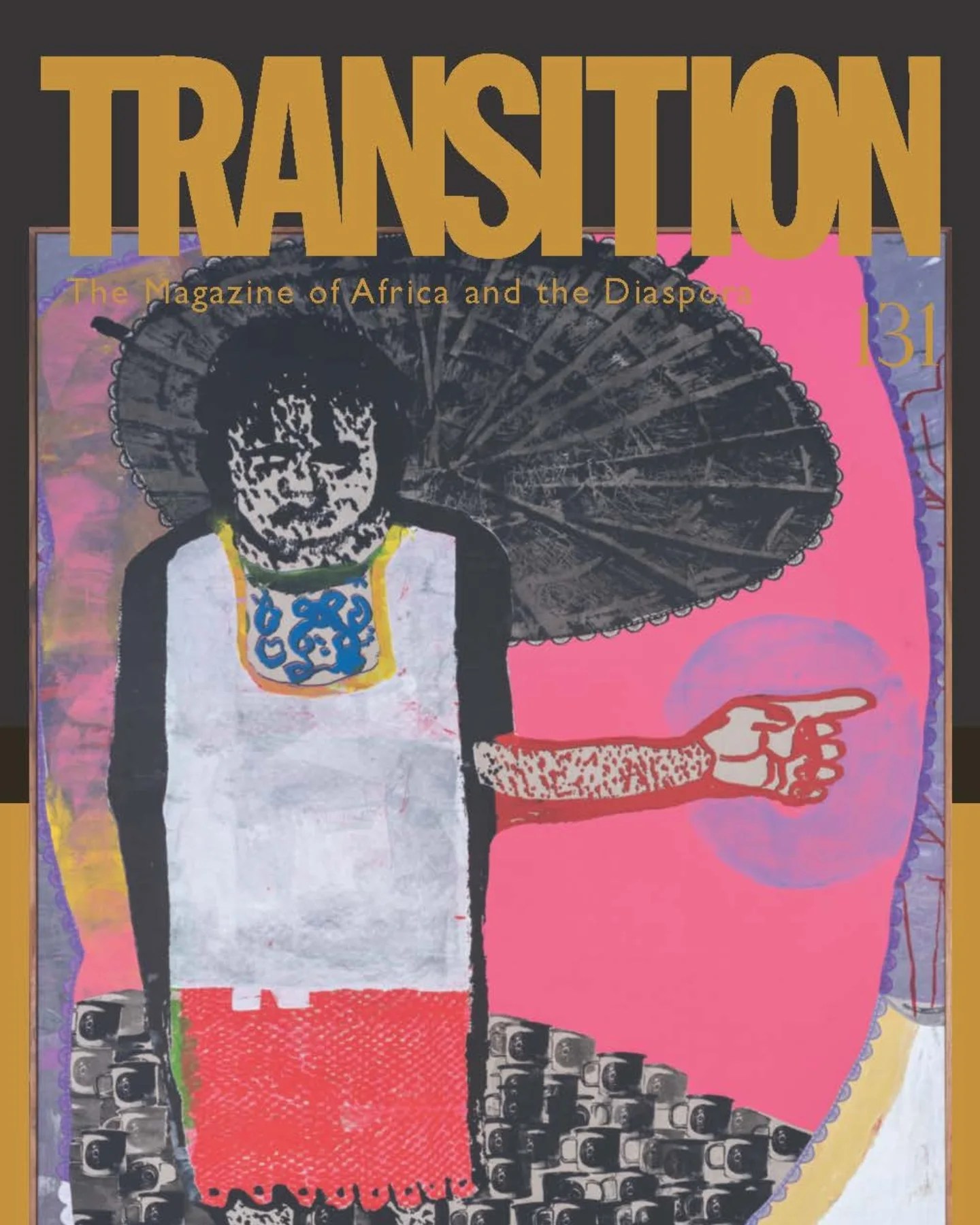
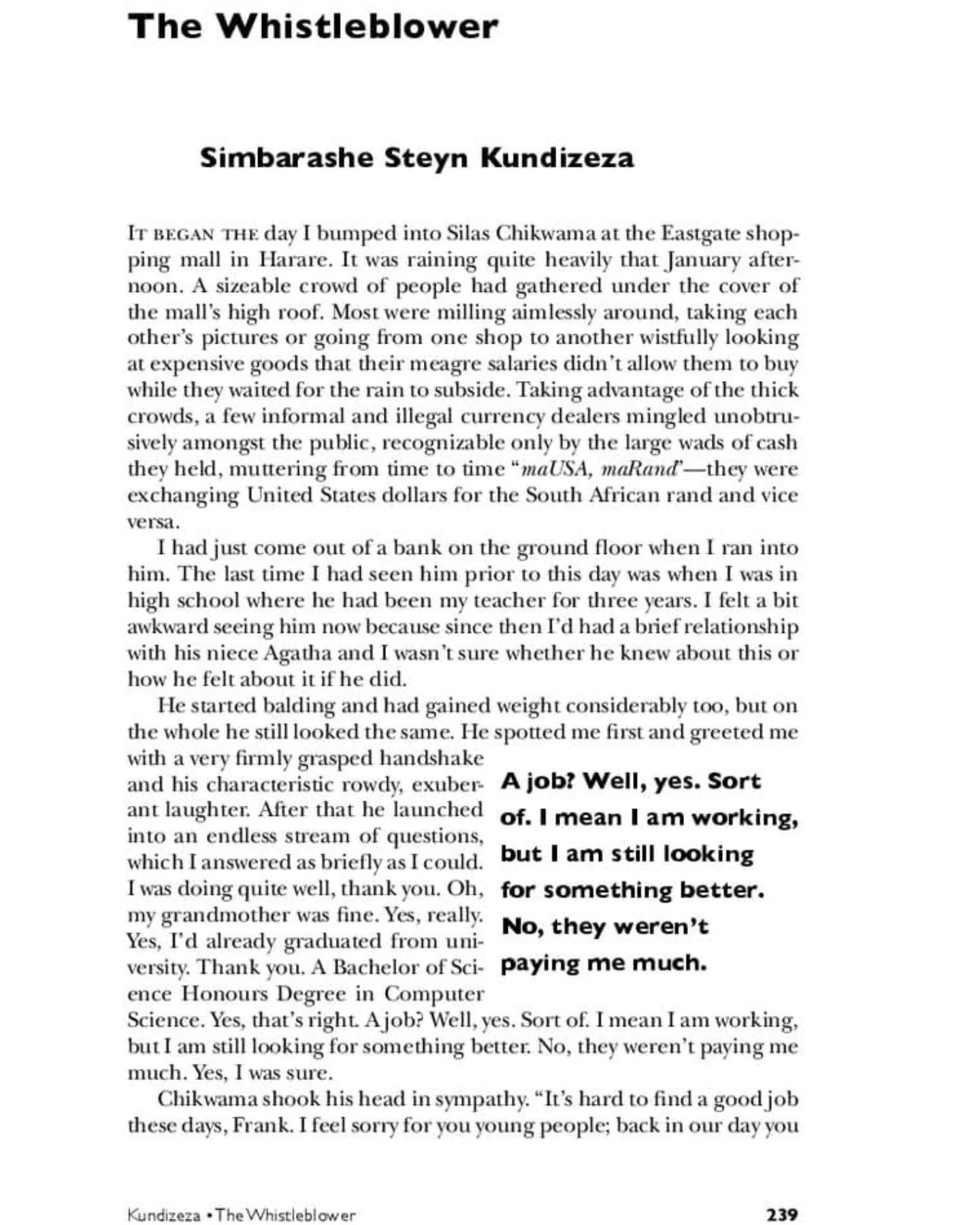
SK: Sheer stubbornness! And curiosity. I’ve always felt that the story I’m trying to write is better than what I’m capable of writing at that moment, and the only way to achieve it is to keep trying. I’ve had manuscripts that unravelled, drafts that collapsed under their own ambition, entire plots that made sense only to me. But I always felt I was getting closer, that every failed attempt was sharpening something. A Way Out (in The Wrong Patient and Other Stories from Africa anthology) and The Whistleblower (in the Transition Magazine) emerged from two of those “failed” novels. That taught me something important: no writing is wasted. Even if a draft dies, you learn something from that attempt. In hindsight, I now see writing a novel as a lot like training for a marathon; you don’t start by running 42 kilometres. You build up endurance, stride by stride. Each abandoned manuscript strengthened my muscles of pacing, dialogue, tension, and character development.
AG: The protagonist of Freelance, Omar Warsame Mohamed, is a Somali-American investigative reporter who grew up as a refugee in Zimbabwe. He is both insider and outsider. How did you navigate this duality, balancing complexity for readers familiar with Zimbabwe and accessibility for those who aren’t?
SK: I love this question! You’re right — Omar is a hybrid in multiple ways. Even the term “Somali-American” already contains a duality that holds two identities, two histories, two cultural gravitational pulls. And then you add Zimbabwe as the landscape of his upbringing; suddenly he’s carrying a third sphere of belonging. That layered identity was actually fun to write because it allowed him to bridge worlds. For readers who know Zimbabwe, Omar can speak frankly about the culture, the humour, the politics. For readers who don’t, he can question things that locals take for granted. So he becomes a bridge, a kind of cultural interpreter, but never in an artificial way. The hardest part was making sure he didn’t feel like a device. I wanted him to be a person first — someone conflicted, flawed, and deeply loyal to the place that shaped him. His perspective gave me a way to explore Zimbabwe’s political and emotional complexities honestly, hopefully without turning the novel into a lecture.
TJ: Zimbabwe is often reduced to headlines, hate speech, and clichés. How do you represent your country with this in mind?
SK: Honestly, by focusing on the people — their humour, ingenuity, appetites, irritations, and ambitions. Yes, there is political complexity, instability, and history, but there is also tenderness, absurdity, resilience, gossip, joy, small acts of rebellion, and the everyday strangeness of living here. If you focus only on the headlines and suffering, you flatten a nation. Fiction can widen the frame. I don’t sanitise anything, but I also refuse to let trauma be the only lens. I want to show Zimbabwe in full complicated colours — the beautiful and the brutal, the ridiculous and the hopeful.
TJ: Political thrillers — from your own Freelance to The Manchurian Candidate, The Day of the Jackal, or The Ghost Writer — often tread dangerous ground. How do you approach writing about corruption and justice?
SK: Wow, that’s great company to be mentioned in! I think the trick is to keep the characters human. If readers fall in love with the characters — or at least understand them — then the political ideas land emotionally. So I focus on the human cost of power, the compromises people make to survive or succeed, and how institutions reshape personal lives. In Zimbabwe, everyday life is already entangled with politics, so the commentary emerges organically if you’re honest about people’s lived experiences. I also lean on tension. A thriller’s engine is conflict: secrets, power, danger, betrayal. When those elements are working, the social message doesn’t need neon lights.
TJ: Winning the Island Prize placed you on an international stage. How has this recognition shifted your sense of responsibility to Zimbabwe?
SK: I don’t feel pressure to “represent the nation,” but I do feel responsible for keeping the door open. I am aware that I’m part of a lineage, part of a literary culture. Recognition gives you a history, a platform; the question becomes: what do you use that platform for? For me, it’s to tell our stories with sincerity, to mentor where I can, and to show that Zimbabwean literature can be as global and as experimental as anything else.
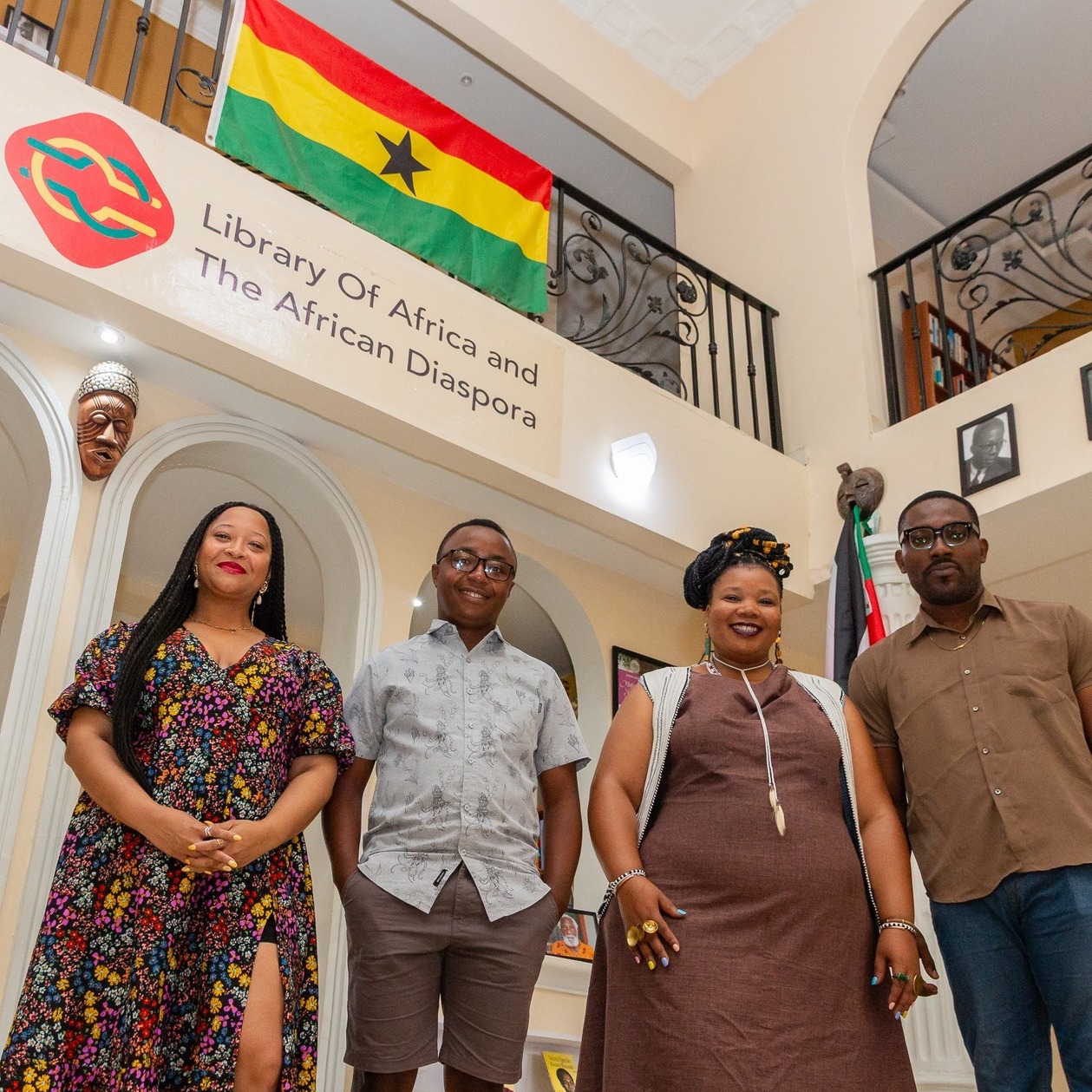
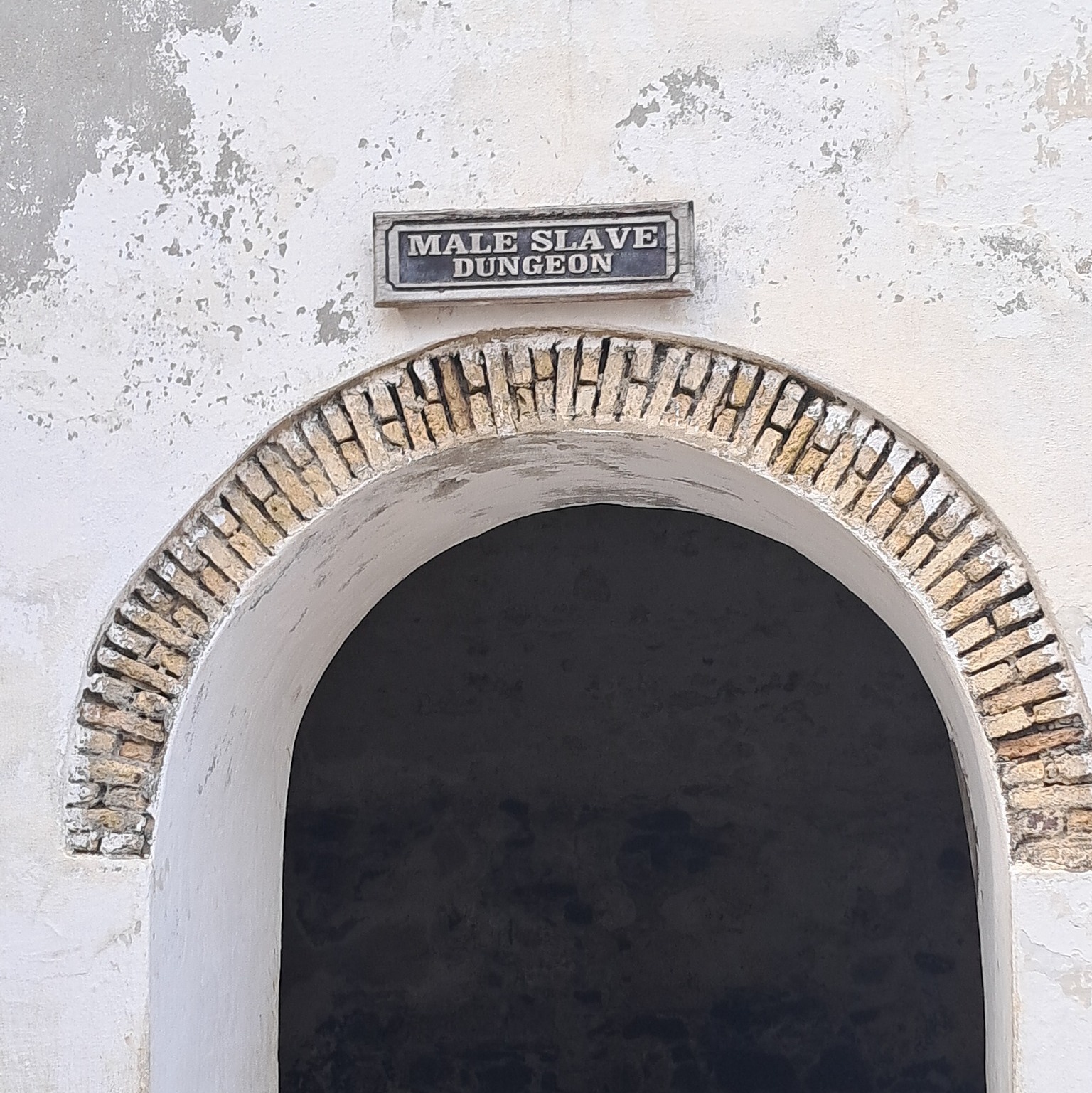
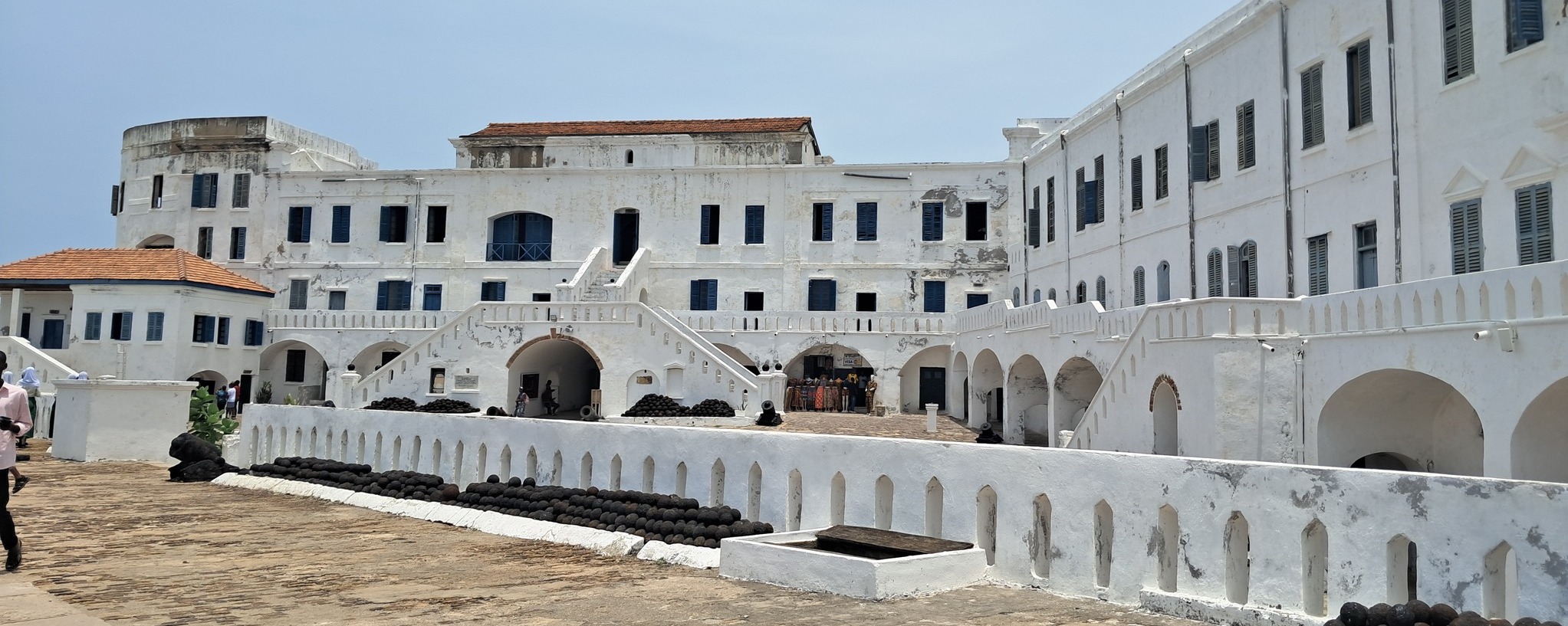
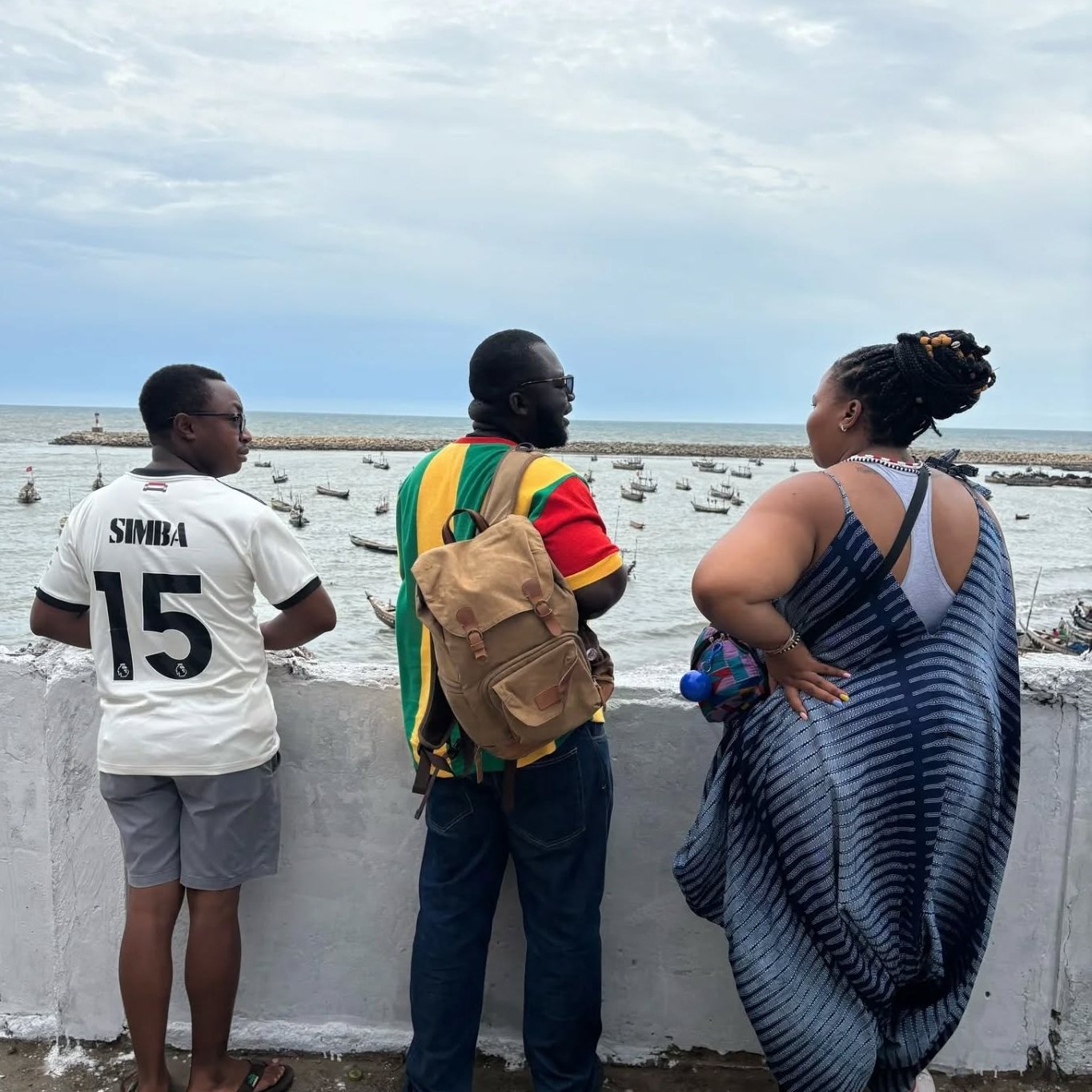
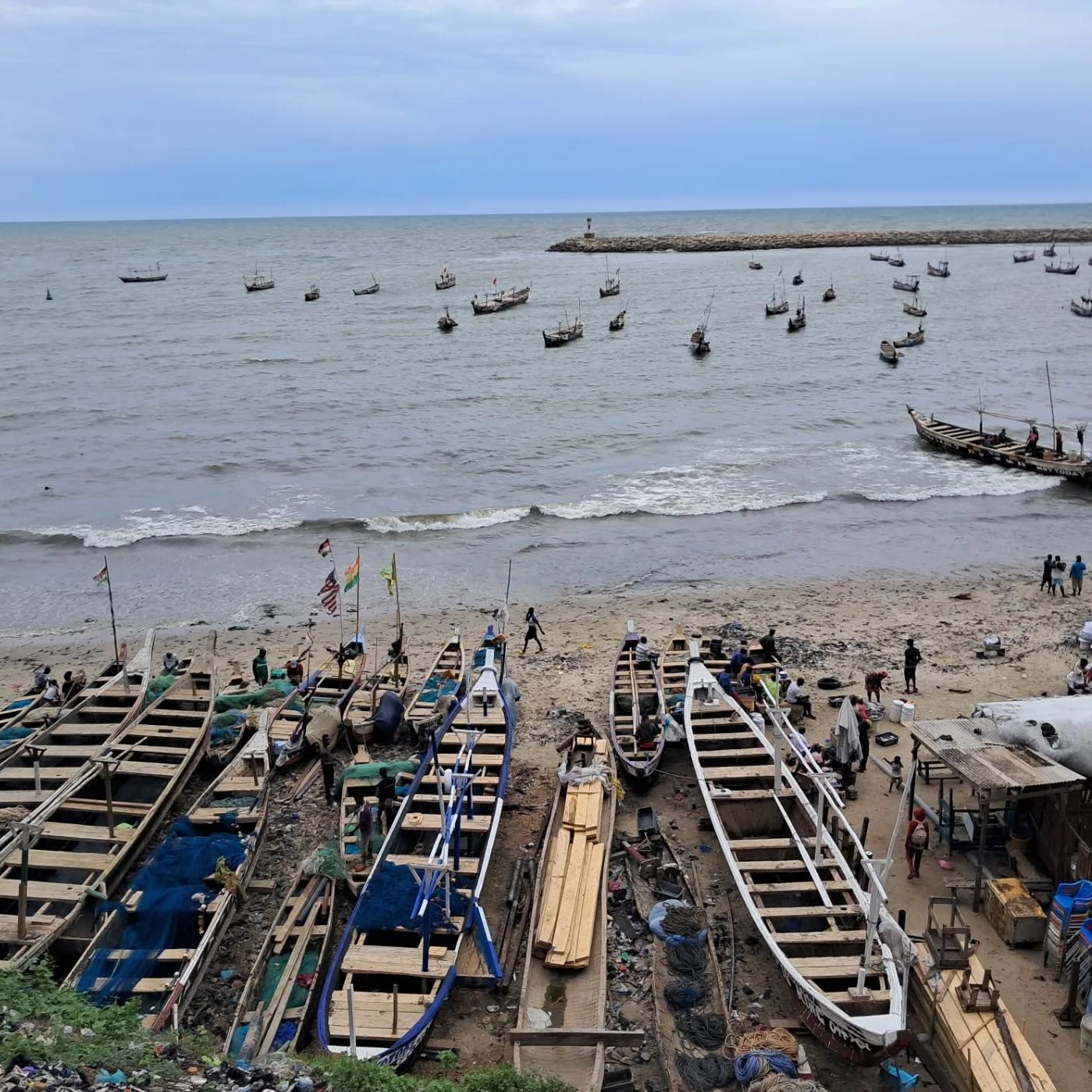
AG: Talking about Zimbabwe in a global space, you were selected for the Library of Africa and The African Diaspora (LOATAD) Black Atlantic Residency in Ghana. What do you think unites African writers globally?
SK: I think what unites African writers, wherever we are in the world, is a shared curiosity about identity and belonging — how our people, histories travel across oceans, how our present is shaped by movement, rupture, and reinvention. Whether you’re writing from Accra, Harare, Lagos, Nairobi, New York or London, you’re always negotiating multiple realities at once: cultural, political, linguistic, historical. African writers have that instinct for multiplicity. We know that humour and horror, joy and struggle can sit comfortably in the same paragraph. One of the most powerful lessons I absorbed at LOATAD came from the South African poet Vangile Gantsho. She doesn’t italicise or explain Xhosa words in her writing; rather she lets them exist with the same confidence that English writers use Latin or French terms without stopping to translate. That really stayed with me. It’s a reminder that our languages don’t need apologies or permission; they don’t need footnotes to be legitimate. They carry their own authority. I think that spirit — that refusal to flatten ourselves or write “small” — is what connects us.
AG: You just mentioned Vangile. Who are some of your favourite African writers of the 21st century, and why?
SK: Firstly, NoViolet Bulawayo — for her inventive language, bold narrative structures, and the electric pulse of her storytelling, emotional textures, and satire. Karen Jennings — I admire her restraint and clarity. She writes with a quiet emotional force that reveals itself slowly and illuminates larger political realities. Chimamanda Ngozi Adichie — for her confidence, emotional intelligence, and the clarity and elegant fearlessness of her voice. She makes the complex feel accessible. Mukoma wa Ngugi — he has expanded the horizons of African crime fiction, showing that thrillers from the continent can be intellectually rigorous, political, and deeply entertaining. Femi Kayode — his approach to psychological crime blends African settings with noir sensibilities, bringing freshness to the genre. Beyond these, there are so many others. African literature today is rich, diverse, and constantly surprising, and I feel lucky to read and engage with so many voices.
TJ: Lastly, in your own writing you’ve created many characters who must make difficult choices. What has been the most transformative lesson you’ve learnt from one of your characters?
SK: Characters will surprise you (laughs). The best moments in writing happen when a character does something unplanned — something emotionally true or flawed rather than structurally convenient. Those are the moments that show you the story has found its heartbeat. Perfection creates distance; flaws create connection. When a character is insecure, stubborn, proud, or quietly wounded, readers recognise something human in them. It’s the contradictions that make them feel real. You can guide the plot, but it’s basically controlled chaos. Conflict is oxygen. If nothing is in danger — emotionally or physically — the story goes flat. Once there’s something at stake, even something small, the whole narrative starts to breathe.
What distinguishes Kundizeza is not only his talent but his distinctly modern voice — global and local at once — and his refusal to let politics eclipse the personal. His characters are flawed, human, and emotionally resonant, and even his antagonists possess an unsettling depth. This empathy-driven storytelling gives his work both urgency and tenderness. Through his fiction, he complicates perceptions of Zimbabwe, adding nuance and insisting on stories that stretch beyond headlines. He refuses to write narrowly local narratives; instead, he engages seriously with systems of power, justice, and memory, crafting fiction that speaks to broader human dilemmas. He wants readers everywhere to feel the tremor of possibility that runs through Zimbabwe — and to recognise the country not just through its history, but through the lives and choices of its people.
Follow Simbarashe at @simba_steyn
 MUD Journal