Art was funded and popularised by faith.
Words by Alex Gwaze (Curator)
Questions by Alex Gwaze and Terry-Jo Thorne (Researcher & Writer)
Somewhere in Crowhill, just outside Harare, there’s a cottage turned art studio — a small sanctuary humming with spirit and pigment. It sits on the estate of a woman whose presence still moves through every brushstroke laid on canvas. “My mother didn’t fully understand my art,” says O’Neal Tanaka Maisiri, “but she supported me unconditionally. I wish she could see how far I’ve come.”
O’Neal’s journey began long before “contemporary African art” became a phrase that carried prestige or profit. In Grade One, he was the kid classmates called on for drawings — tiny commissions of pencil and imagination. “That was the foundation,” he reflects. Years later, at St. John’s Emerald Hill High School, he began to recognise those instincts as something larger — a calling. Since then, he’s staged his first solo, Apokalypto, at Batanai Gardens; exhibited with the Global Impact Initiative’s Voices for the Planet; and performed at Scripts and Bars for Page Poetry Alive. His most recent solo show, I Wish You Could See Me Now, held at ZICCA House, was both elegy and exposé — a tribute to his late mother and a raw dissection of the fragile illusions holding Zimbabwe’s urban youth together.
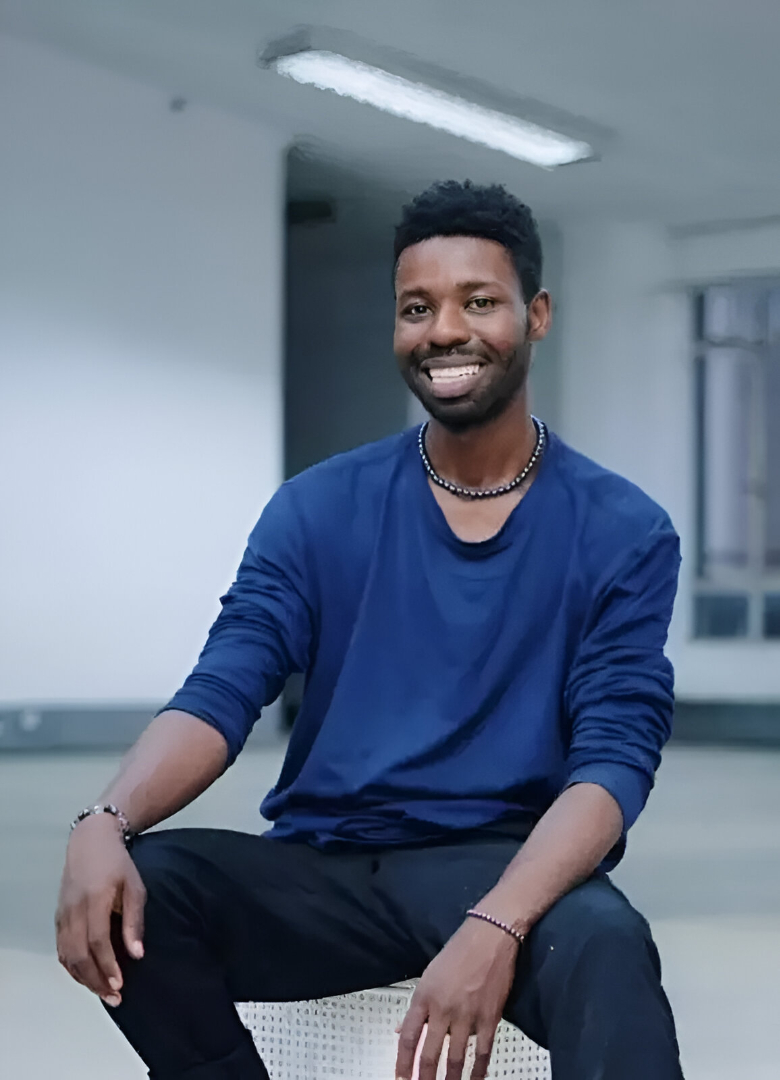
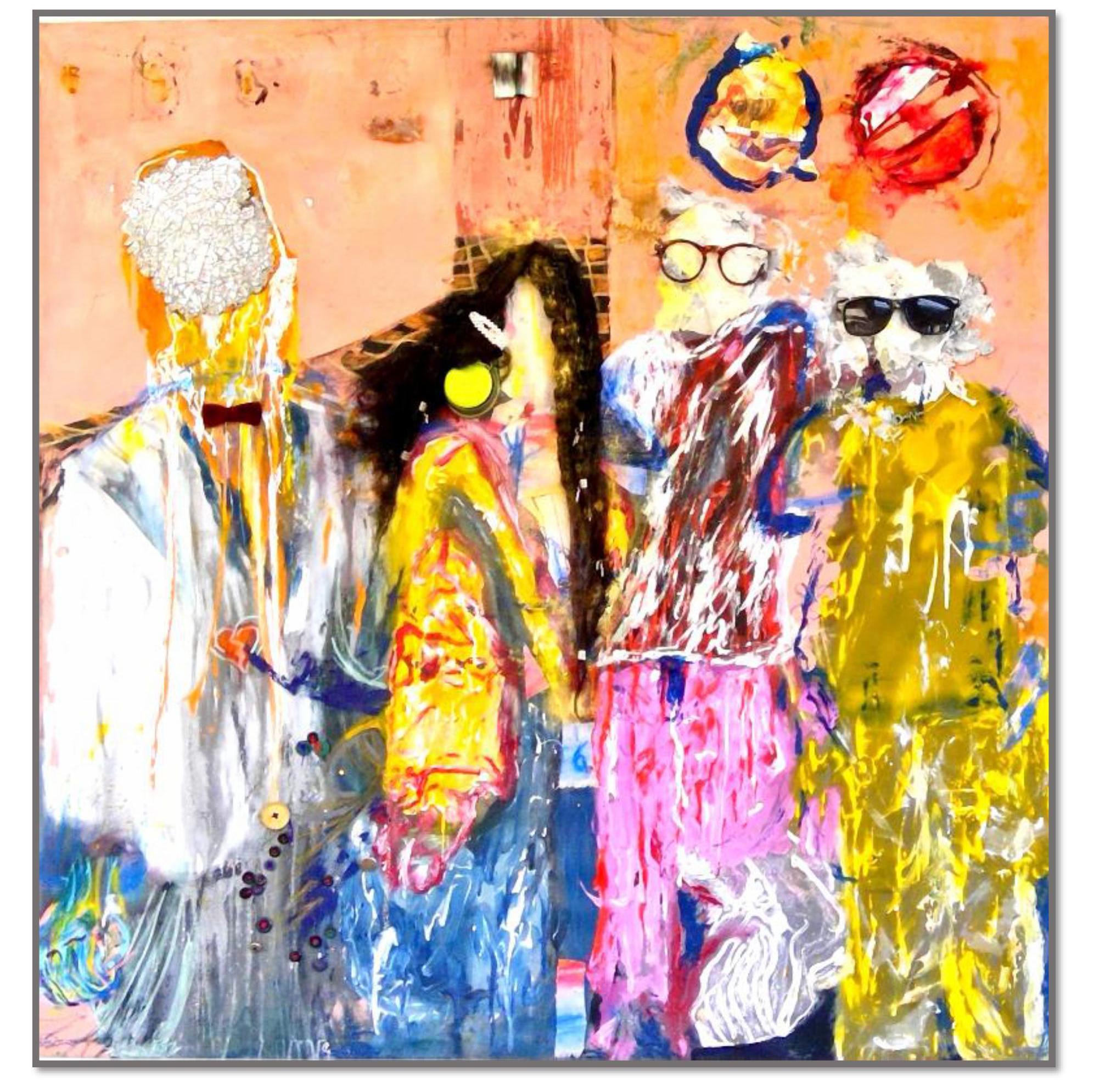
That show crystallised what many describe as his visual signature: a fusion of mixed media, Biblical allegory, pop iconography, and unflinching social commentary. A practising Christian and poet, Maisiri filters his critique through what he calls a “gospel lens” — not to preach, but to reveal what society has numbed itself to. In a country navigating despair and divine hope in equal measure, O’Neal’s art feels both like testimony and rebellion. His canvases breathe with stitched hearts, fractured mirrors, and gold leaf pressed against discarded trash — relics of faith and failure intertwined. “I don’t just make art,” he says. “I translate survival.” And maybe that’s what his work truly is — a language born from prayer and protest, faith and fury.
AG: You’ve said “art is testimony.” What was the first moment in your life that truly felt worth testifying about — the first time you realised silence was no longer enough?
OM: For me, that moment was when I encountered the Creator — God, the Maker of the universe and everything within it. That experience changed everything. It was the point where I realised that life itself is art, and every breath is a testimony. Meeting Him made me understand that silence could never carry the weight of that encounter. So, I create with what’s around me — materials from life itself — because expressing that divine connection through my work feels like both an honour and a calling. Art becomes my way of sharing that experience with the world.
AG: Testify! Much of your work explores disorientation, identity, protest, and longing. When did you first become aware of being unseen?
OM: (laughs) I’ve carried that feeling for a long time, but it truly hit me recently — about a month ago. I lost a friend, someone I cared about deeply, in an accident in Chitungwiza. That moment shook me. It made me confront how fragile life is and how easily our voices can vanish without ever being heard. I started asking myself: What if I leave this world and everything I’ve done remains unseen? That realisation awakened something in me — a deep urgency to speak back, to leave a mark. So now, I pour all those loud, restless voices inside me into my art. Every piece becomes an act of saying, I am here. I exist. Hear me.
AG: I’m sorry for your loss. We’re living through so many layered crises — from climate change to pandemics. Like you, the pandemic also touched me deeply. Your studio sits on your mother’s estate. What does it mean to create in a space soaked in memory and absence?
OM: Thank you. There’s a certain beauty in it. Art, to me, is play — and in a way, I’m still playing in my mother’s backyard. But now, it’s more than just my play. We’re creating a space where others can join in, where creativity can live and breathe. When I first started working there, it felt heavy — almost like a graveyard for buried dreams. Losing my mum felt like losing everything. She was the hope of the family, the hero. When she passed, that hope felt gone too. But now, that same space is becoming something new — a dreamland we call The Art Lab Studio. I’m in the process of securing the estate and making it official, so we can build a studio where artists come to learn, share, and thrive. A place where business meets joy, where memory turns into movement. It’s my way of honouring her — transforming loss into life.
TJ: That’s a beautiful way to honour her. It reminds me of how your work repurposes discarded materials — and in many ways, the Art Lab Studio feels like an extension of that philosophy. You know how we Zimbos are; we don’t throw anything away if we can help it. What’s the one thing you’ve held onto the longest?
OM: (laughs) My first tie. I still have it! It’s a simple thing, but it reminds me how far I’ve come. (laughs) But if we’re talking about the one thing I’ve truly held onto the longest, it’s my faith. There was a time I became careless with it, even started losing it. But God came through for me. When I was lost, He found me. He lifted me back up and reminded me who I am — and what I’m here for. That’s why I speak so boldly about His saving power: because I’ve lived it.
TJ: Amen! You’re part of a generation caught between the digital world and a quiet resurgence of spirituality — particularly traditional ancestry, Shona customs, language, and ritual. Where do you place yourself between those poles?
OM: Staying grounded isn’t easy — but it’s not impossible. For me, it comes down to being true to myself and holding onto my identity. That’s why identity is such a recurring theme in my work. I’m part of a generation that often struggles to understand the times. Many are lost in the noise of trends and digital hype, chasing appearances instead of authenticity. But trends fade — they always do. What remains are the core values that define us. Scripture is my compass; it gives me clarity and light when everything else feels uncertain. It reminds me that truth doesn’t shift with culture.
TJ: Talking about keeping up appearances, I often feel that the environment has become a mere backdrop for selfies rather than a sacred space that reminds us of our oneness with nature.
OM: For me, nature is God’s masterpiece. It feels like living inside the greatest artwork ever created — His creation. That reality alone amazes me. Nature speaks; it’s a language God uses to reveal His wonders, His power, His beauty. But today, many people chase synthetic highs — the quick hits of social media and trends — and in that chase, we lose touch with the sacredness of the earth. That’s why I work with found objects, the fragments of life we’ve thrown away. I collect these discarded pieces and give them new meaning, a second chance. In doing that, I’m not just creating art; I’m breathing life back into what was lost. For me, it’s a metaphor — restoration, renewal, and hope through creativity.
AG: Your exhibition I Wish You Could See Me Now sharply critiqued Zimbabwean youth culture’s obsession with fashion and brands. How difficult do you think it’s become to resist the pressure to buy new outfits?
OM: Consumer culture has always been there — and it’s not going anywhere. But staying rooted requires a calm sense of self, a willingness to step back from the urgency of trends. Too often, we collect pieces just to signal status or fit into a certain circle. The truth is, that’s fleeting. It passes. Instead, I believe in collecting what truly matters — art and fashion that carry meaning, that reflect who you are and what you stand for.
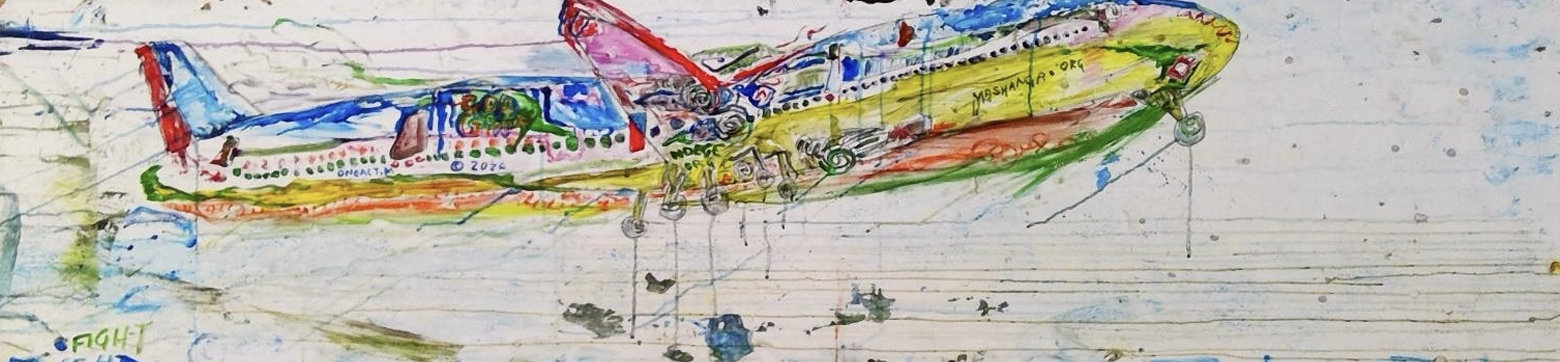


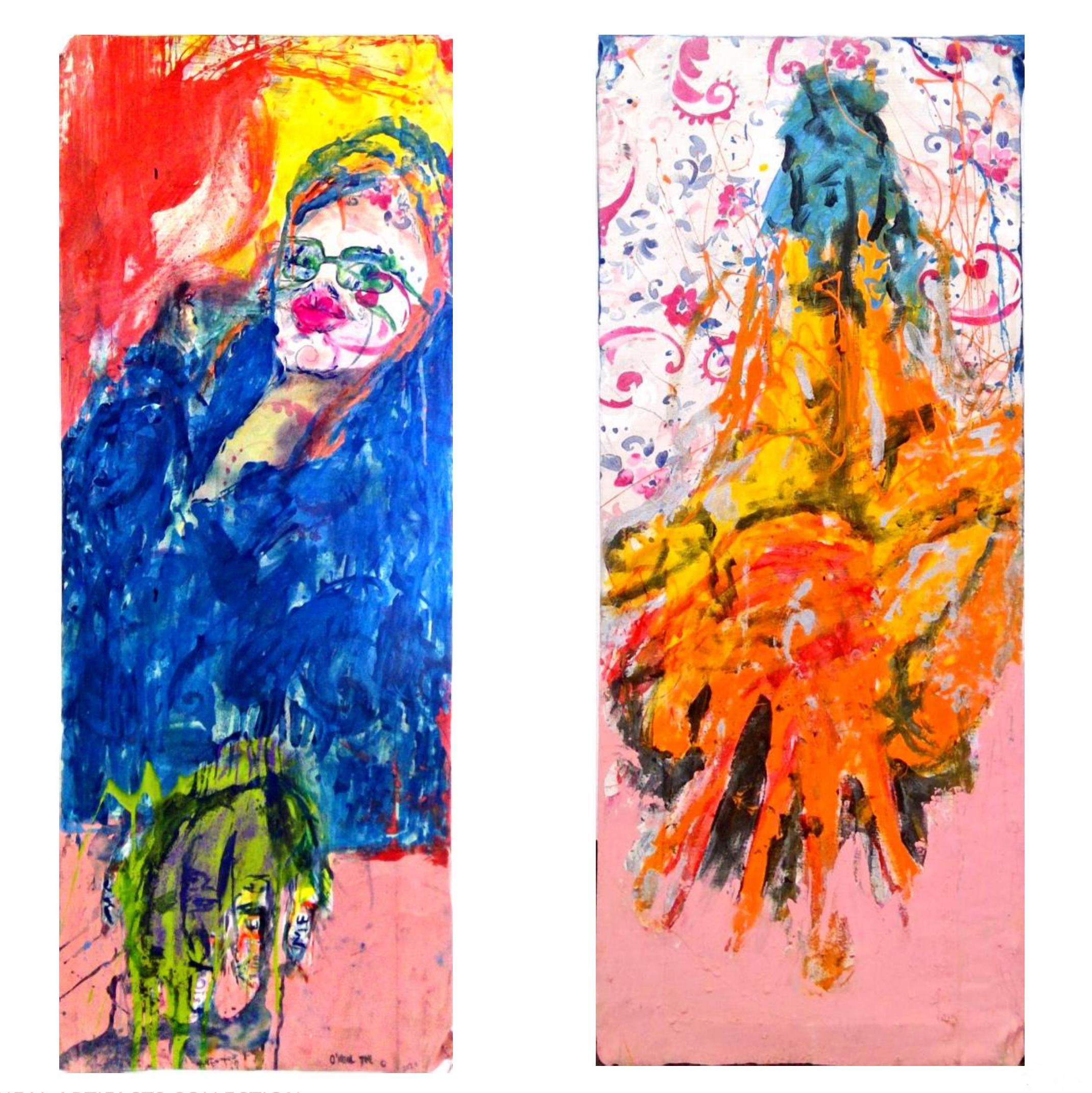
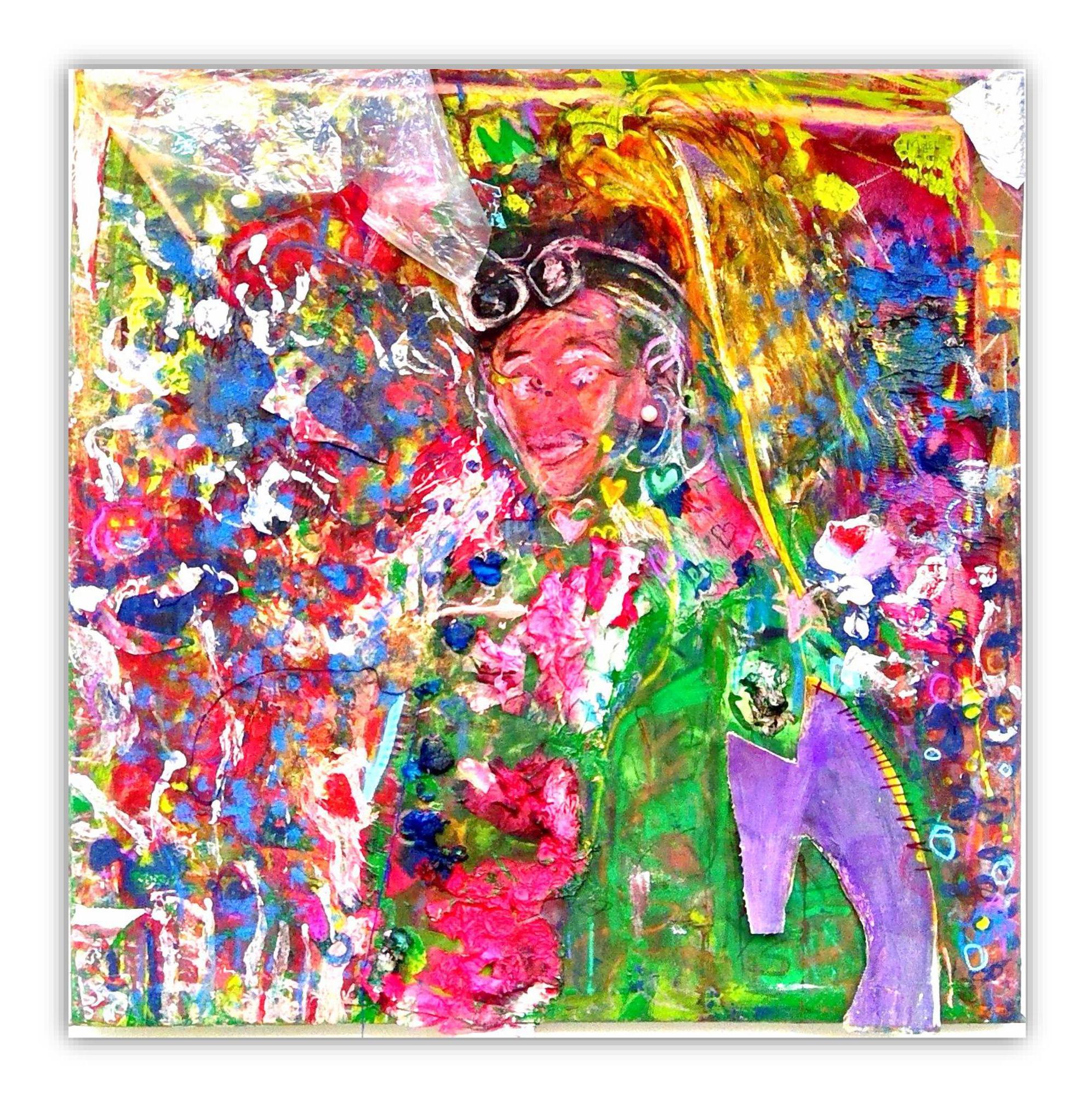

TJ: You primarily work in abstract art — a form many find challenging to decipher. Given how socially engaged your work is, why did you choose abstraction?
OM: I chose it because, to me, it mirrors life. Life is never simple, never as clear-cut as a picture. (laughs) Photographs tell incredible stories, yes — but abstraction goes beyond words. It can’t be quantified or fully explained. It’s timeless. And when I work with mixed media, the materials themselves aren’t the final statement; they’re part of the journey. They shape the outcome without defining it. That freedom — that sense of limitless expression — is why abstraction speaks to me.
AG: Maybe abstraction is a natural fit for you — especially since you’re also a poet. What are some lines or stanzas from your poems that continue to guide or echo inside you?
OM: Interesting. Let me think. Painting, for me, is a form of visual poetry. Some lines that keep echoing inside me are: “If hate says an eye for an eye, then love would say a heart for a heart.” “Please tell me how you’re colour-blind, yet you’re the first to notice when I’m feeling blue.” “Love tastes like the first sip of coffee that makes you forget you’re still in a desert.” These are my own words — I write them because love poems always stay with me. I’m constantly falling in love — with people, with places, with moments. Writing becomes my way of channelling that emotion, transforming it into energy… or what some might call art.
TJ: That poetry runs through your art — it’s layered with faith but never preaches. It resists easy labels. You’ve aligned yourself with what you call Ultra-Modernism. So lastly, in your own words, what is it?
OM: Ultra-Modernism, for me, is not just a style — it’s a state of being. It’s becoming more and more dominant because it reflects the complexity of our time. And honestly, as Gerhard Richter said, “The process of painting cannot be explained.” I feel the same. Contemporary art is already a phenomenon. Working in paint, especially within abstraction, feels like stepping into another miracle. And that’s why I can’t pin it down as prayer or protest — it’s something beyond both. What I know is this: it takes faith to live and create in that space, where nothing is certain and yet everything is possible.
For me, what’s striking about O’Neal isn’t just his talent — it’s his intention. His work doesn’t ask to be liked. It demands to be felt. Witnessed. He paints for the disoriented, the over-scrolled, the under-heard, and the survivors. He paints for his mother, for Zimbabwe, and for a possible future that refuses to die quietly.
Follow O’Neal @oneal_artifacts
 MUD Journal