They say grandparents and their grandchildren usually get along because they have a common enemy – the parents.
Words by Alex Gwaze (Curator)
Questions by Alex Gwaze and Terry-Jo Thorne (Researcher & Writer)
To some extent, I can see the merit of this ‘common enemy’ theory, but I would also propose another theory. My theory is that grandparents have seen life (their own), death (their friends and family), and rebirth (their children and grandkids) – so they see things through the lens of realness rather than the weight of people’s self fulllfilling ideas. Similarly, children also experience life firsthand, taking in what they want and ignoring their parents’ advice and threats until it bites them on the ass. In other words, without the stress of being in a position of authority (and both being looked after by the same ‘parent’), the grandparent/grandkid relationship is based on friendship and creating memories. Hence, it is often the grandparents who impart the life-long interest that becomes a dream for some children.
One such creative whose interests and skills have been passed on through generations is South African fashion designer Andisiwe Vena. Andi is a Cape Town College of Fashion Design (CTCFD) graduate and the founder of the Thula-Tu (meaning silence) brand. Known for its retro aesthetics mixed with modern silhouettes, Thula-Tu was part of the emerging new signatures at the South African Fashion Week Autumn/Winter 2024, and its designs have been featured in Black Magazine. Furthermore, Andi was part of the Foschini Group’s (TFG) Design Incubator Program, which showcased a select group of designers through TFG’s online mega shopping platform, BASH. In addition, Andi has worked behind the scenes for SAMW and Men’s Health Menswear.
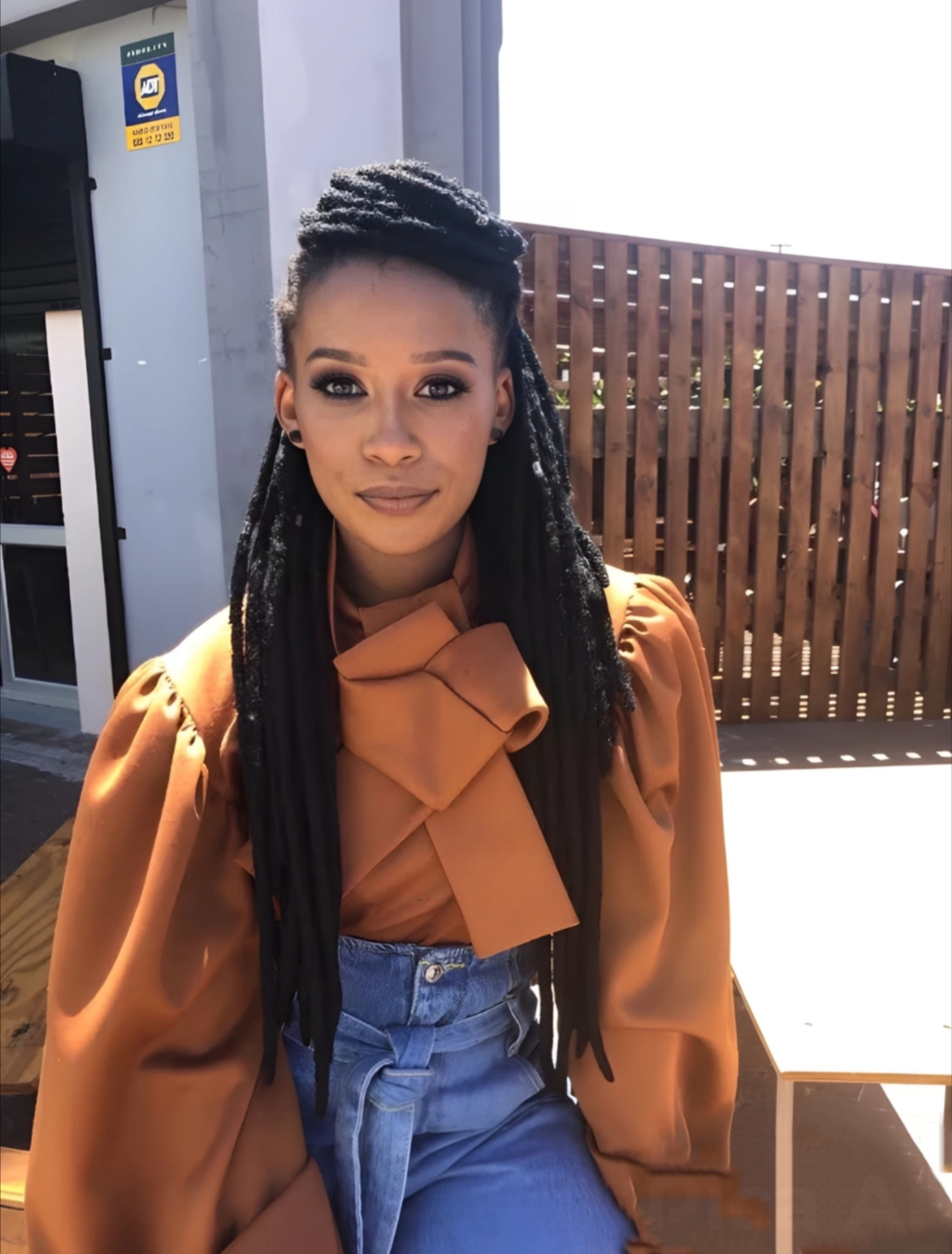
Andi is clearly going places, but for me it’s what she’s bringing with her from her closet that interests me – all the baggage from different eras.
AG: I heard you were inspired by your mother’s vintage clothing and your grandmother’s traditional Xhosa attire to become a designer.
AV: Yes, I’m drawn to the styles of the past, as it brings memories and makes me homesick (laughs). It reminds me of my mothers’ and grandmothers’ times and fashion choices. I love retro vintage silhouettes, as they never go out of style and are still worn today. But let me just clarify something. There is a difference between retro and vintage for me. Retro, you see the appearance of the garments, and vintage is the structure of the garments.
AG: The retro vintage vibe is part of your brand identity, right? I love the tagline for Thula-Tu, “the clothes speak for themselves.” What’s the first thing you want someone to notice about your designs?
AV: Bold colours! Bold colours had a meaning in those years. They reflected an individual’s characteristics, personalities, mood, and style. The bright colours make you feel more extrovert, alive, and engaged with the world. They make you stand out and make a statement. I feel like bold colours build your self-esteem. It is a powerful form of non-verbal communication. But you know the part I love the most about using colours? They convey a message about who you are and how you are feeling right now! My garments are for women who want to stand out with purpose. The purpose is enjoying the craftsmanship of fashion. My brand is truly about self-expression, celebrating your individuality, comfort, and having confidence through silence. It has bold, vibrant, unique personalized looks. It’s about being yourself. But mostly, it’s about taking something old and making it new. Just like our clans are passed down from one generation to another, so is my clothing.
TJ: You mentioned the past a lot. So I’m curious. What or who inspires your creativity in this now generation?
AV: I am mostly inspired by the eras. The 70’s, 80’s, and the 90’s. Their silhouettes, fabrics, and colours. I just change styles to the current trends that I follow on Pinterest and WGSN. That’s what I use to find inspiration for what I want to make. Sorry I can’t brand drop at the moment, maybe later (laughs).
TJ: Earlier you mentioned clothes being passed down generations like clans. Has your South African heritage influenced your designs?
AV: Yes. When it comes to my heritage, I’ve used it through the meaning and stories of the garments. It is expressed through who I am, where I come from, and what I believe in. Just like our clans are passed down, clothes are also inherited with the sensiblities and values of the previous owner. Each generation makes alterations to suit their lifestyles and to reflect the current thinking or their individual needs, whether that be practical or aesthetics. Vintage clothes carry that sense of history. We should not neglect it for the new latest trend just like that.


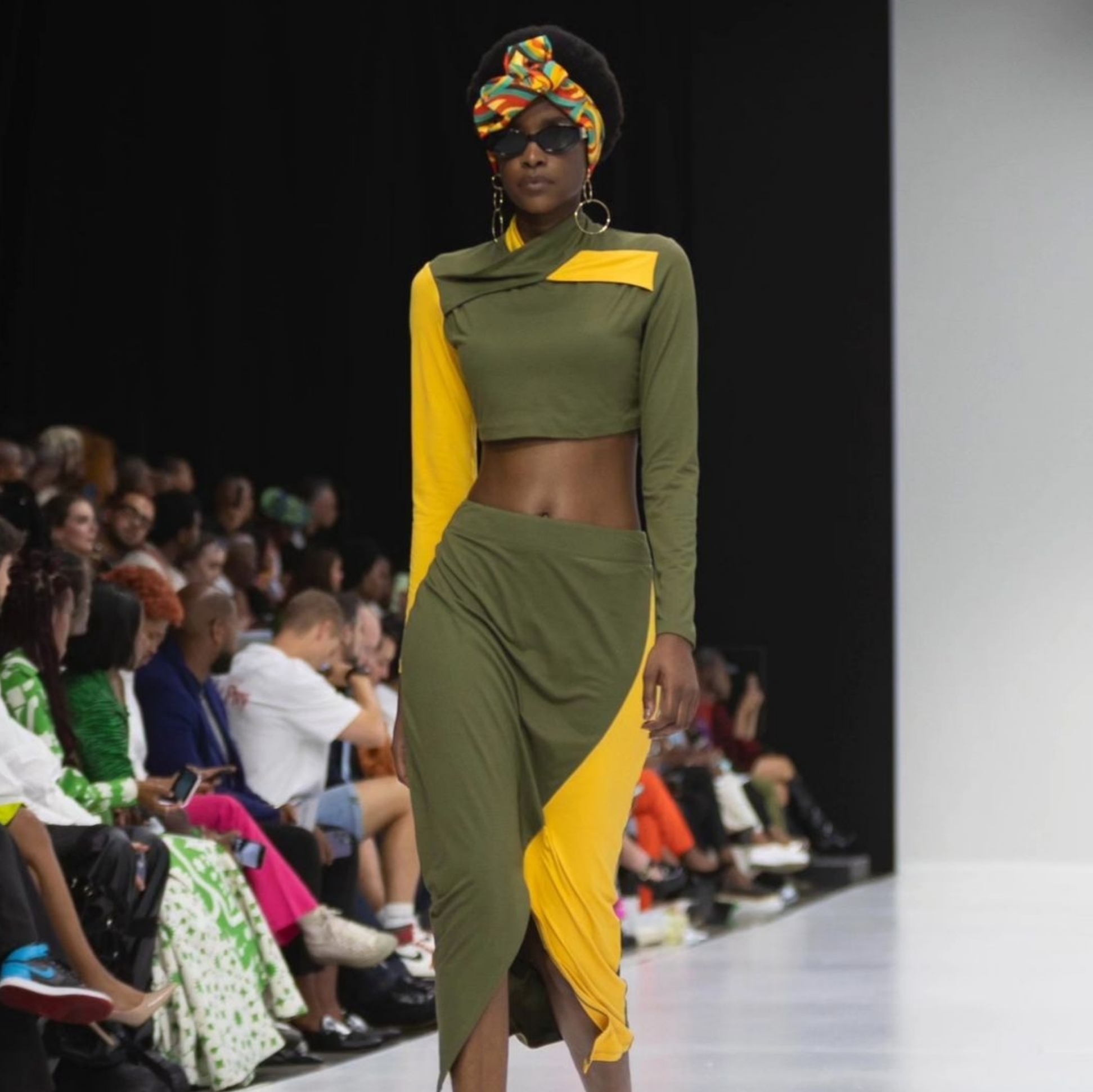


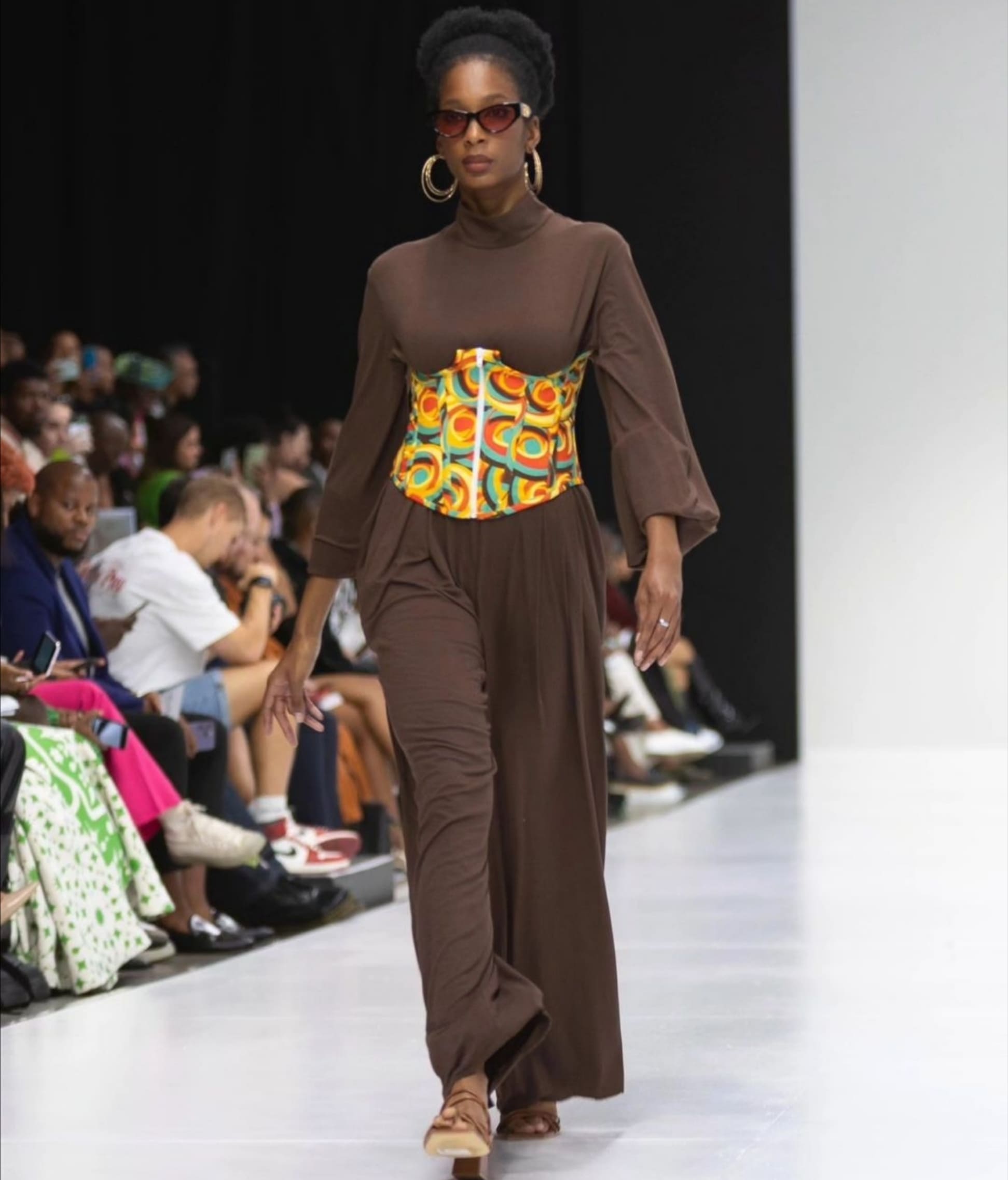
AG: I totally agree. Talking about neglecting. Some creatives overlook the importance of teachers. What education has been most valuable to you in your career?
AV: When I left grade 12, I had basic sewing skills because I learnt to use a sewing machine to make tote bags and pencil cases for consumers. And for our end of year graduation, we needed to present a project that you wanted to learn more about in life. I wanted to learn more about sewing. We had to find our own mentors to help us develop a project. I ended up sewing 5 different looks and presented them to everyone (laughs). After grade 12, I applied to a fashion school. I was accepted and studied for 3 years before I got a diploma. At college, I learnt everything from scratch. From drawing to making patterns and sewing a garment to making a collection from what we had learnt. Then after college (being part of TFG), I learnt the ins and outs of working in the retail industry. From the financial to the cycle of making the clothes before they get sent to the stores. All that information that I have gained I wouldn’t have gotten if I didn’t get educated. What I know today helped me to be able to start my own brand. To start building my own fashion house.
TJ: I feel like African fashion brands have yet to achieve global icon status like Louis Vuitton, Gucci, Versace, McQueen, or Burberry. What do you think?
AV: The only way I think we can be known is by showcasing in international fashion shows, introducing our brands personally on social media, and collaborating with known brands. And designing well. That’s how you can be noticed. Also, start from home and try to get your own people to know your brand before it goes international. Then get investment to get into the global scene.
AG: Very few people can name three African fashion houses without using Google. Who are some of your favourite African designers?
AV: Right now, I would say Imprint, Maxhosa, and Mantsho are my favourite local fashion brands. They are all about print and colour, which I love! (laughs)
TJ: Fast fashion has become a widely discussed topic, particularly regarding its impact on Africa. What are your thoughts on sustainability in the fashion industry?
AV: Fashion is big in Africa, but sustainable fashion is an old but new topic here. When we are talking sustainable fashion, we are defining the production of the garments. Mainly, does it harm the environment? For me, using vintage garments in my brand is great for the environment because it saves energy by reducing the need for new clothes to be manufactured and transported. It also reduces waste in landfills because people don’t have to buy new clothes as often. And vintage pieces are designed to last much longer than most modern clothing, so they last for years, not 90 days.
AG: What’s the best piece of clothing you own that was either a hand-me-down or purchased from a thrift store?
AV: My best, or should I say, favourite piece is a hand-me-down. It’s my grandmother’s knitted sweater that I still wear today. It’s green. You know how I love bold bright colours (laughs).
AG: Lastly, you have been singled out as one of SA’s emerging designers. What can we expect from you once you’re established?
AV: What you can expect from me is more bright and bold modern prints. More colourful vintage-inspired garments. I know it sounds like I am repeating myself over and over, but I’m not doing me to my full extent. People don’t like to admit they are getting started these days, but this is not my full potential. My resources don’t allow me to fully form my concepts or express all my ideas. But when I’m established, the clothes will speak for themselves (laughs).
Follow Thula-Tu at: @thulatu_sa
SUBSCRIBE to MUD Journal at: MUD Journal
DOWNLOAD your FREE COPIES of MUD Journal here.
 MUD Journal